
Brinzolamide 불순물
세트 견적 요청
- 이 세트 견적 요청
Brinzolamide의 USP 불순물 전체
2개 제품2개 제품 보기
- Brinzolamide Related Compound A VL207002
CAS 154127-19-2 - Brinzolamide Related Compound B VL207001
CAS 404034-55-5
- Brinzolamide Related Compound A VL207002
- 이 세트 견적 요청
Brinzolamide의 니트로사민 불순물 전체
3개 제품
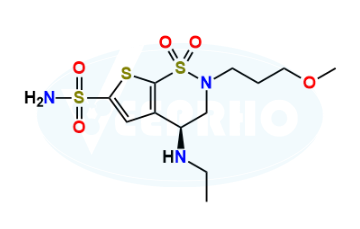
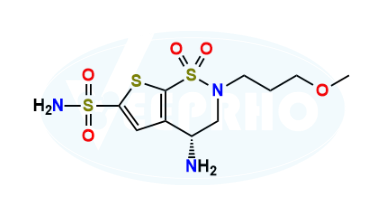

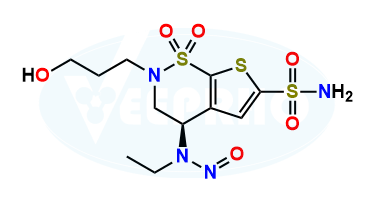

22개 중 1–2222 재고 있음
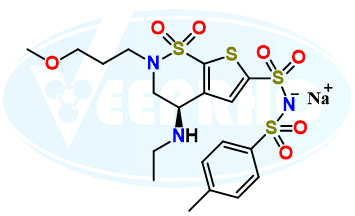

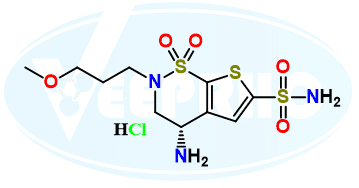
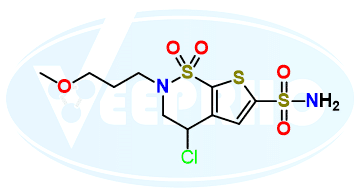

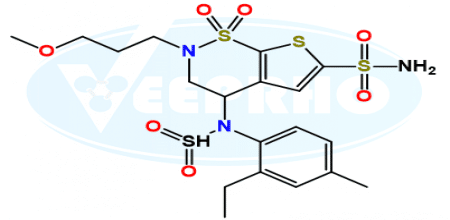
Brinzolamide Related Compound
Typical quality control and regulatory filings for brinzolamide drug substance and finished ophthalmic products define assay and related-substance acceptance criteria to ensure safety and stability. Common specifications used in development and in regulatory dossiers set assay acceptance near label claim, for example about 98.0 to 102.0 percent, with specified related compounds limited individually in the low tenths of a percent and total impurities limited to about 1.0 percent or lower depending on the impurity profile and identification status. Known related substances and degradants reported in stability and analytical work include N-dealkylated and hydrolytic fragments, oxidation products of the thiazole-sulfonamide moiety, and trace process-related impurities. Typical individual limits applied for identified specified impurities are in the range of 0.1 to 0.5 percent by weight with unspecified impurity reporting thresholds following ICH guidance and conventional control limits such as 0.10 percent for reporting and 0.50 percent for identification, but exact numeric limits vary by manufacturer, pharmacopeial monograph, and regulatory submission.
자주 묻는 질문
What is the drug brinzolamide used for?
Brinzolamide is used topically to lower intraocular pressure in patients with open-angle glaucoma or ocular hypertension by inhibiting carbonic anhydrase in the ciliary body to reduce aqueous humor production; it is typically formulated as a 1 percent ophthalmic suspension and dosed one drop three times daily unless otherwise directed.
What are the side effects of brinzolamide eye drops?
Common adverse effects are primarily local and include transient ocular discomfort, burning or stinging on instillation, blurred vision, conjunctival hyperemia, and a bitter or unusual taste; less common systemic effects can occur due to systemic absorption but are rare with topical use and may include headache or paresthesia; patients with sulfonamide allergy should avoid use and seek medical advice if signs of hypersensitivity such as rash, swelling, or respiratory difficulty occur.
What is another name for brinzolamide?
Brinzolamide is marketed under the trade name Azopt and is also referred to by its generic name brinzolamide and by formulation descriptors such as brinzolamide ophthalmic suspension 1 percent.
Is brinzolamide the same as timolol?
No, brinzolamide and timolol are different drugs with distinct mechanisms of action; brinzolamide is a topical carbonic anhydrase inhibitor and timolol is a topical beta-adrenergic blocker; they are not the same, although they may be used in combination therapy and fixed-dose combinations containing both agents are available in some markets.