
Fluphenazine 불순물
세트 견적 요청
- 이 세트 견적 요청
Fluphenazine의 EP 불순물 전체
12개 제품12개 제품 보기
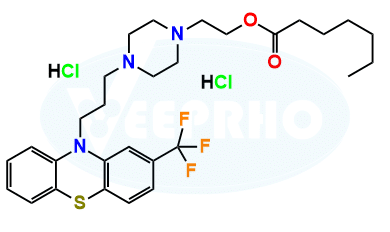
- Fluphenazine Decanoate EP Impurity C (DiHCl) VE0016387
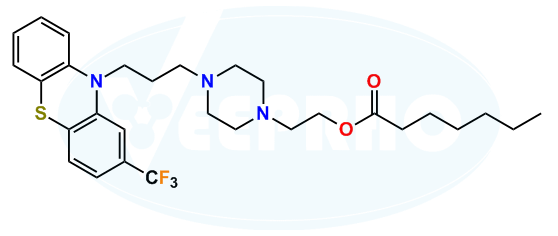
CAS 3105-68-8 - Fluphenazine Decanoate EP Impurity C (Free Base) VE0020998
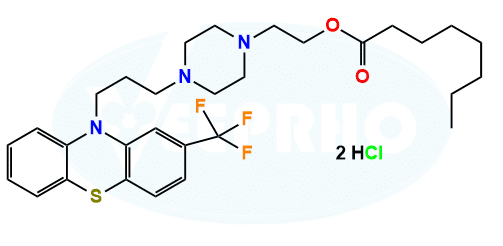
CAS 2746-81-8 - Fluphenazine Decanoate EP Impurity D (DiHCl) VE0016388
- Fluphenazine Decanoate EP Impurity E VL1770007
- Fluphenazine Decanoate EP Impurity F VE0016389
CAS 13220-06-9 - Fluphenazine DiHCl EP Impurity A VL1770008
CAS 1674-76-6 - Fluphenazine Dihydrochloride EP Impurity B VL1770009
CAS 1476-79-5 - Fluphenazine Dihydrochloride EP Impurity C VL1770010
CAS 2518011-27-1 - Fluphenazine Dihydrochloride EP Impurity D VL1770011
CAS 2376-89-8 - Fluphenazine Dihydrochloride EP Impurity F VL1770013
CAS 2725395-34-4 - Fluphenazine Dihydrochloride EP Impurity F (TetraHCl) VE0016394
- Fluphenazine Dihydrochloride Impurity E VL1770012
CAS 58-39-9
- Fluphenazine Decanoate EP Impurity C (DiHCl) VE0016387
- 이 세트 견적 요청
Fluphenazine의 USP 불순물 전체
4개 제품4개 제품 보기
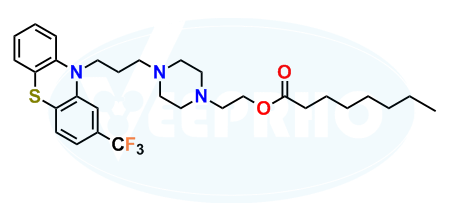
- Fluphenazine Decanoate EP Impurity C (Free Base) VE0020998
CAS 2746-81-8 - Fluphenazine Decanoate EP Impurity D (Free Base) VE0020999
CAS 97671-70-0 - Fluphenazine DiHCl EP Impurity A VL1770008
CAS 1674-76-6 - Fluphenazine Dihydrochloride EP Impurity B VL1770009
CAS 1476-79-5
- Fluphenazine Decanoate EP Impurity C (Free Base) VE0020998
- 이 세트 견적 요청
Fluphenazine의 니트로사민 불순물 전체
3개 제품3개 제품 보기
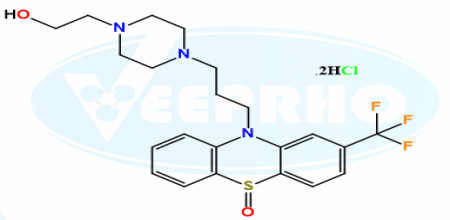


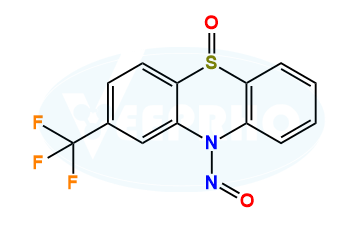
28개 중 1–2828 재고 있음
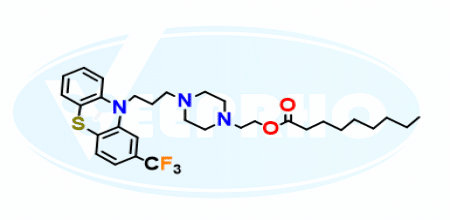
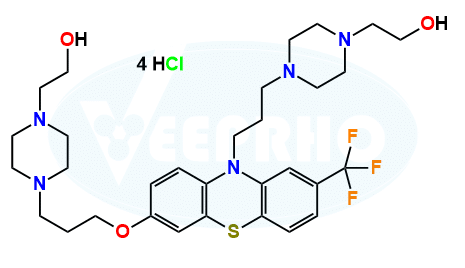
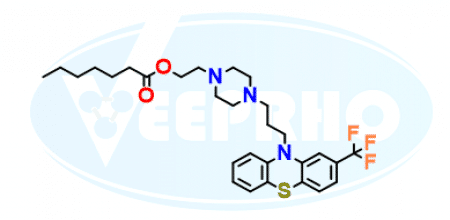

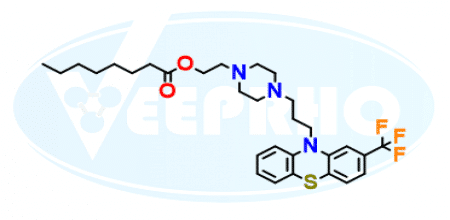
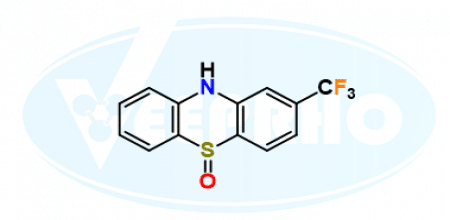
Fluphenazine Related Compound
Impurities in Fluphenazine can arise due to chemical synthesis, degradation, or improper storage conditions. Regulatory agencies such as the FDA, EMA, and ICH enforce impurity limits to ensure drug safety and efficacy.
Types of Impurities in Fluphenazine
Process-Related Impurities
- Unreacted intermediates from phenothiazine synthesis
- Residual solvents (e.g., methanol, ethanol, dichloromethane)
- By-products from halogenation and esterification reactions
Degradation Impurities
- Oxidation products due to exposure to oxygen or light
- Hydrolysis impurities from moisture exposure
- Thermal degradation products from high-temperature storage
Elemental Impurities
- Heavy metals from catalysts used in synthesis
- Trace levels of arsenic, cadmium, lead, and mercury
Analytical Techniques for Impurity Detection
- High-Performance Liquid Chromatography (HPLC)
- Gas Chromatography (GC)
- Mass Spectrometry (MS)
- Fourier-Transform Infrared Spectroscopy (FT-IR)
자주 묻는 질문
What is the drug Fluphenazine used for?
Fluphenazine is used to treat: Schizophrenia – Controls symptoms such as hallucinations, delusions, paranoia, and agitation . Schizoaffective disorder – Sometimes used to manage psychotic features . Long-term maintenance therapy – Prevents relapse in schizophrenia with its long-acting injectable form (Fluphenazine decanoate) . Severe behavioral disorders in adults (off-label).
Does Fluphenazine help with anxiety?
No, Fluphenazine is not typically used for anxiety . It is primarily effective for psychotic symptoms rather than generalized anxiety or panic disorders . In some cases , it may reduce anxiety indirectly by controlling psychotic symptoms that cause distress. For anxiety, benzodiazepines or SSRIs are usually more effective.
Why was Fluphenazine discontinued?
Fluphenazine has not been completely discontinued but has seen a reduced use in favor of atypical antipsychotics like risperidone, olanzapine, and quetiapine . Reasons for reduced use: Higher risk of extrapyramidal side effects (EPS) such as tardive dyskinesia and parkinsonism . Limited effectiveness for negative symptoms of schizophrenia (e.g., withdrawal, apathy). Development of safer and more effective atypical antipsychotics with fewer side effects .
Is Fluphenazine a sedative?
Yes, Fluphenazine has sedative properties due to its dopamine-blocking effects . It is not primarily prescribed as a sedative , but it can cause: Drowsiness and lethargy . Reduced agitation and hyperactivity in psychotic patients. The sedative effect is less pronounced compared to other phenothiazines like chlorpromazine .