
Lincomycin 불순물
세트 견적 요청
- 이 세트 견적 요청
Lincomycin의 EP 불순물 전체
11개 제품11개 제품 보기
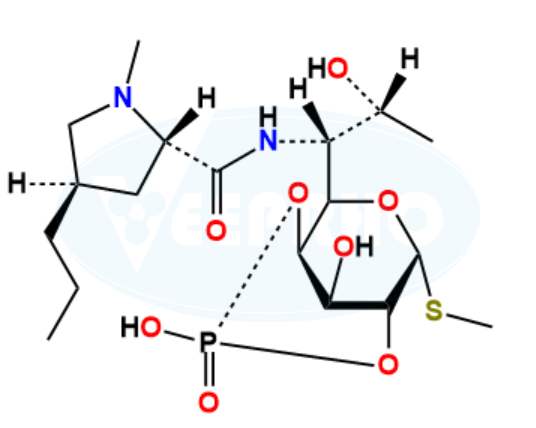
- Clindamycin Phosphate EP Impurity G VE006094
- Lincomycin EP Impurity A VE005866
- Lincomycin EP Impurity A (HCl Salt) VE0016844
- Lincomycin EP Impurity B VL4040003
CAS 37744-65-3 - Lincomycin EP Impurity C VE008290
CAS 14600-41-0 - Lincomycin EP Impurity C (Free Base) VE0016838
CAS 2256-16-8 - Lincomycin EP Impurity D (Free Base) VE008209
CAS 17017-22-0 - Lincomycin EP Impurity D (HCl Salt) VE008138
CAS 26389-84-4 - Lincomycin EP Impurity E VE006211
CAS 13380-36-4 - Lincomycin EP Impurity E (HCl Salt) VE006679
CAS 6734-79-8 - Lincomycin EP Impurity F VE006093
CAS 14810-93-6
- 이 세트 견적 요청
Lincomycin의 니트로사민 불순물 전체
2개 제품2개 제품 보기
- N-Demethyl N-Nitroso Lincomycin VE0024885
- N-Nitroso Lincomycin Impurity 1 VE0011697


17개 중 1–1716 재고 있음
| 구조 | 제품명 |
|---|---|
| Clindamycin Phosphate EP Impurity GVE006094 · 재고 있음 | |
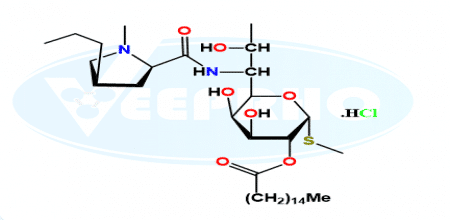 | Lincomycin 2-Palmitate HydrochlorideCAS 번호 23295-14-9 · VE009632 · 재고 있음 |
| Lincomycin BCAS 번호 2520-24-3 · VE0016745 · 재고 있음 | |
| Lincomycin B HClCAS 번호 11021-35-5 · VL4040004 · 재고 있음 | |
 | Lincomycin EP Impurity AVE005866 · 재고 있음 |
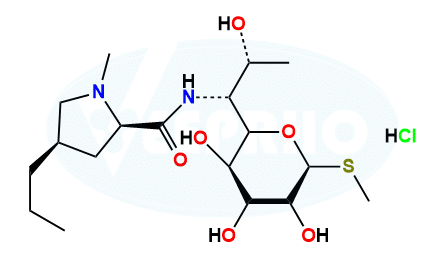 | Lincomycin EP Impurity A (HCl Salt)VE0016844 · 재고 있음 |
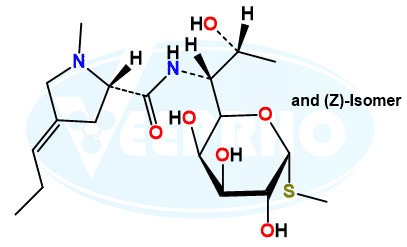 | Lincomycin EP Impurity BCAS 번호 37744-65-3 · VL4040003 · 재고 있음 |
| Lincomycin EP Impurity CCAS 번호 14600-41-0 · VE008290 · 재고 있음 | |
| Lincomycin EP Impurity C (Free Base)CAS 번호 2256-16-8 · VE0016838 · 재고 있음 | |
| Lincomycin EP Impurity D (Free Base)CAS 번호 17017-22-0 · VE008209 · 재고 있음 | |
 | Lincomycin EP Impurity D (HCl Salt)CAS 번호 26389-84-4 · VE008138 · 재고 있음 |
| Lincomycin EP Impurity ECAS 번호 13380-36-4 · VE006211 · 재고 있음 | |
| Lincomycin EP Impurity E (HCl Salt)CAS 번호 6734-79-8 · VE006679 · 재고 있음 | |
| Lincomycin EP Impurity FCAS 번호 14810-93-6 · VE006093 · 재고 있음 | |
| Lincomycin Sulfoxide (Mixture of Diastereomers)CAS 번호 22083-92-7 · VE0016849 · 재고 있음 | |
| N-Demethyl N-Nitroso LincomycinVE0024885 · 재고 있음 | |
| N-Nitroso Lincomycin Impurity 1VE0011697 |
Lincomycin Related Compound
Like all drugs, Lincomycin may contain specific impurities associated with its synthesis and manufacturing process. These impurities, which often include derivatives, degradates, and process-related compounds, may vary depending on several factors, yet their total amounts are minutely regulated and should not exceed a specific quantity in the final drug substance. The most common types of Lincomycin impurities include lincomycin B and related lincomycin compounds, which are structurally similar to the parent molecule. However, the presence of these impurities is stringently monitored and controlled within stipulated pharmaceutical guidelines to ensure safety and efficacy.
자주 묻는 질문
What is lincomycin used for?
Lincomycin is used to treat severe bacterial infections, particularly those that are proven to be resistant to other forms of antibiotics. It is most effective against gram-positive aerobes and anaerobes and certain gram-negative anaerobes. It should only be used under the guidance of a medical professional.
Can I use lincomycin for a boil?
Yes, lincomycin can be used to treat skin and soft tissue infections such as boils caused by susceptible strains of Staphylococcus and Streptococcus bacteria. However, it should only be used on the recommendation of a healthcare provider.
Is lincomycin the same as clindamycin?
While lincomycin and clindamycin belong to the same class of antibiotics called Lincosamides, they are not the same. Clindamycin is considered to be more potent and has a broader spectrum of activity.
Is lincomycin a macrolide?
No, lincomycin is not a macrolide. It belongs to the lincosamide class of antibiotics. Although macrolides and lincosamides have similar modes of action, they are different in their chemical structure.