
Tetracaine 불순물
세트 견적 요청
- 이 세트 견적 요청
Tetracaine의 EP 불순물 전체
3개 제품3개 제품 보기
- Tetracaine EP Impurity A (HCI Salt) VL2240001
- Tetracaine EP Impurity B VL2240002
CAS 4740-24-3 - Tetracaine EP Impurity C VL2240003
CAS 71839-12-8
- 이 세트 견적 요청
Tetracaine의 USP 불순물 전체
2개 제품2개 제품 보기
- Tetracaine EP Impurity B VL2240002
CAS 4740-24-3 - Tetracaine EP Impurity C VL2240003
CAS 71839-12-8
- Tetracaine EP Impurity B VL2240002
- 이 세트 견적 요청
Tetracaine의 니트로사민 불순물 전체
4개 제품4개 제품 보기
- N-Nitroso Desmethyl Tetracaine VE0019560
CAS 3050754-69-0 - N-Nitroso Tetracaine VE0014146
CAS 3038740-94-9 - N-Nitroso Tetracaine EP Impurity B VE0024624
- N-Nitroso Tetracaine EP Impurity C VE0024623
- N-Nitroso Desmethyl Tetracaine VE0019560
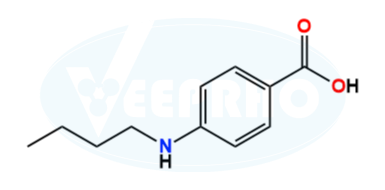
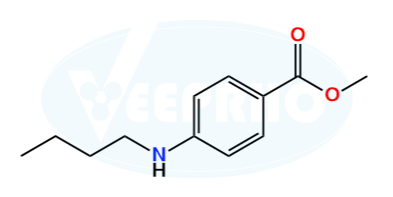


9개 중 1–98 재고 있음
| 구조 | 제품명 |
|---|---|
| N-Nitroso Desmethyl TetracaineCAS 번호 3050754-69-0 · VE0019560 | |
| N-Nitroso TetracaineCAS 번호 3038740-94-9 · VE0014146 · 재고 있음 | |
| N-Nitroso Tetracaine EP Impurity BVE0024624 · 재고 있음 | |
| N-Nitroso Tetracaine EP Impurity CVE0024623 · 재고 있음 | |
 | Tetracaine EP Impurity A (HCI Salt)VL2240001 · 재고 있음 |
| Tetracaine EP Impurity BCAS 번호 4740-24-3 · VL2240002 · 재고 있음 | |
| Tetracaine EP Impurity CCAS 번호 71839-12-8 · VL2240003 · 재고 있음 | |
| Tetracaine N-OxideCAS 번호 55750-02-2 · VE0019538 · 재고 있음 | |
| 4-Nitrobenzoic AcidCAS 번호 62-23-7 · VE0011465 · 재고 있음 |
Tetracaine Related Compound
Impurities in tetracaine can result from synthetic processes involving esterification and amine derivatization, as well as from degradation during storage, especially under hydrolytic or oxidative conditions. Impurity control is critical due to its parenteral and mucosal use, and must meet ICH Q3A/B and USP/EP standards.
Types of Impurities in Tetracaine
Process-Related Impurities
- Unreacted starting materials such as para-butylaminobenzoic acid or dimethylaminoethanol
- Side products from esterification or rearrangement reactions
- Residual solvents like ethanol, isopropanol, or toluene
Degradation Impurities
- Hydrolysis products: particularly para-butylaminobenzoic acid (a known degradation marker)
- Oxidized amine derivatives
- Impurities formed under acidic or basic conditions, especially in aqueous or topical formulations
Elemental Impurities
- Trace metals such as iron, nickel, or copper from processing equipment
- Controlled as per ICH Q3D guidelines, particularly for injectable or ophthalmic products
Analytical Techniques for Impurity Detection
- High-Performance Liquid Chromatography (HPLC) – for assay and related substances
- LC-MS (Liquid Chromatography–Mass Spectrometry) – for identifying unknown or low-level degradants
- Gas Chromatography (GC) – for residual solvent analysis
- ICP-MS – for elemental impurity profiling
- UV-Vis and FT-IR Spectroscopy – for identity and structural verification
자주 묻는 질문
What is Tetracaine used for?
Tetracaine is used to provide local or regional anesthesia during short surgical, diagnostic, or therapeutic procedures involving the eyes, skin, or spinal region.
How does Tetracaine work?
It blocks sodium ion channels on nerve cells, stopping nerve signal conduction and resulting in temporary loss of sensation.
What are common side effects of Tetracaine?
Burning or stinging at the application site Hypotension or bradycardia (with spinal use) Rare: Allergic reactions, especially with ester-type anesthetics CNS toxicity (with overdose or systemic absorption)
Is Tetracaine safe for ophthalmic use?
Yes, it is widely used for eye anesthesia , but repeated or prolonged use can damage corneal tissues. It should be used under medical supervision.
Does Tetracaine degrade easily?
Yes. Tetracaine is sensitive to hydrolysis (especially in aqueous environments) and should be stored in cool, dry, and light-protected conditions to maintain stability.