
Hexetidine Impurities
Request a quote for a set
- Request quote for this set
All EP impurities of Hexetidine
3 productsSee the 3 products
- Hexetidine EP Impurity A VE0017484
CAS 188655-38-1 - Hexetidine EP Impurity C VE0017485
CAS 5980-31-4 - Hexetidine EP Impurity D VE0017486
CAS 81-04-9
- Hexetidine EP Impurity A VE0017484
- Request quote for this set
All nitrosamine impurities of Hexetidine
3 productsSee the 3 products
- Hexetidine Di-Nitroso Impurity B VE0021023
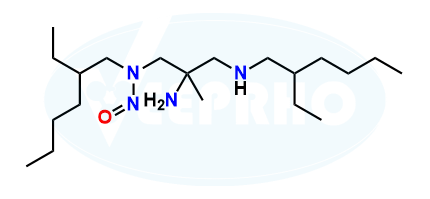
- N-Nitroso Hexetidine EP Impurity A VE0021021
- N-Nitroso Hexetidine EP Impurity B VE0021022
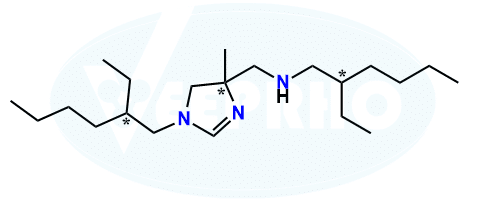

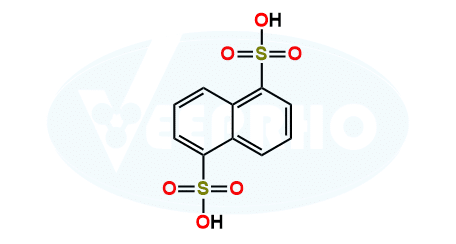
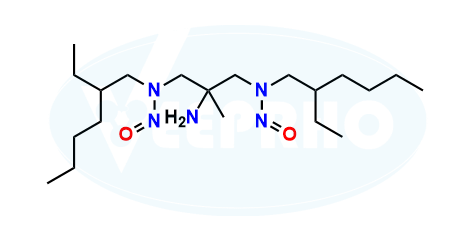
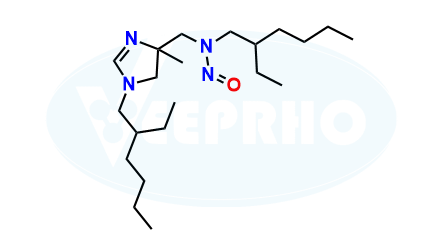
1–7 of 7 results6 in stock
| Structure | Product Name |
|---|---|
| Hexetidine Di-Nitroso Impurity BVE0021023 · In stock | |
| Hexetidine EP Impurity ACAS No. 188655-38-1 · VE0017484 | |
| Hexetidine EP Impurity BCAS No. 3687-16-9 · VE0015775 · In stock | |
| Hexetidine EP Impurity CCAS No. 5980-31-4 · VE0017485 · In stock | |
| Hexetidine EP Impurity DCAS No. 81-04-9 · VE0017486 · In stock | |
| N-Nitroso Hexetidine EP Impurity AVE0021021 · In stock | |
| N-Nitroso Hexetidine EP Impurity BVE0021022 · In stock |
Hexetidine Related Compound
Hexetidine is synthesized via alkylation of hexahydropyrimidine derivatives, and impurities may arise from incomplete reactions or degradation under improper storage. As it is applied to mucous membranes, impurity levels must comply with ICH Q3A/B and regional pharmacopeial standards (e.g., USP, BP).
Types of Impurities in Hexetidine
Process-Related Impurities
- Unreacted alkylating agents or amines
- By-products from quaternization or side-chain alkylation
- Residual solvents like isopropanol, acetone, or ethyl acetate
Degradation Impurities
- Oxidized derivatives upon exposure to air and light
- Hydrolyzed products in aqueous formulations
- Loss of antimicrobial activity due to chemical breakdown of active moieties
Elemental Impurities
- Trace metals such as iron, nickel, or zinc from reactors or storage vessels
- Controlled under ICH Q3D for topical products
Analytical Techniques for Impurity Detection
- High-Performance Liquid Chromatography (HPLC) – for assay and related substances
- Gas Chromatography (GC) – for residual solvents
- UV-Vis Spectrophotometry – for qualitative and quantitative analysis
- LC-MS – for degradation product identification
- ICP-MS – for elemental impurities
- Stability testing – under varied temperature, light, and pH conditions
FAQ
What is Hexetidine used for?
Hexetidine is used as an oral antiseptic for conditions like sore throat , mouth ulcers , gingivitis , and bad breath . It is also used for pre- and post-dental procedures and in some gynecological products.
How does Hexetidine work?
It works by interfering with metabolic processes in microbes and disrupting their cell membranes , leading to their inactivation or death.
What are the common side effects of Hexetidine?
Temporary numbness or irritation in the mouth Altered taste sensation Allergic reactions (rare) Staining of teeth with prolonged use
Can Hexetidine be used daily?
Yes, it can be used once or twice daily as a mouthwash or gargle, but long-term use should be monitored by a healthcare provider.
Is Hexetidine stable in solution?
Hexetidine is generally stable but should be stored in tightly closed containers , away from light and heat . Exposure to air or high humidity may reduce potency over time.