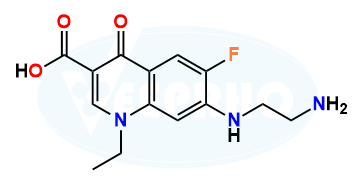
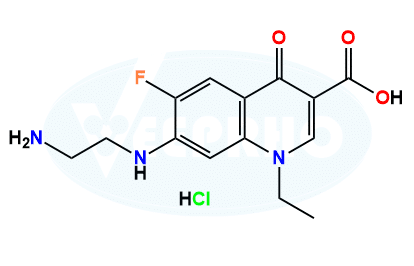
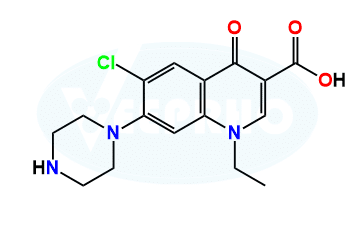
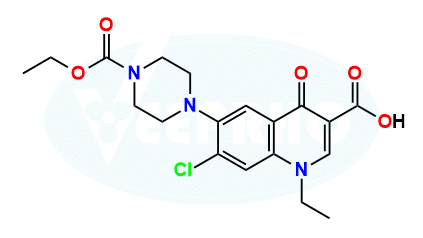
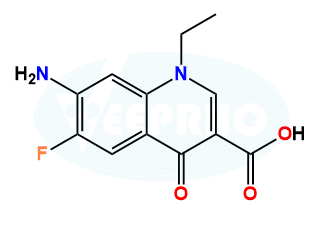
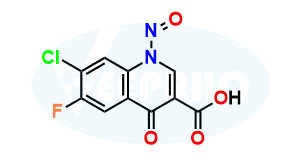
Norfloxacin, sold under the brand name Noroxin among others, is an antibiotic that belongs to the class of fluoroquinolone antibiotics. It is used to treat urinary tract infections (UTIs), gynecological infections, prostatitis (inflammation of the prostate gland), gonorrhea, and bladder infections. Norfloxacin works by inhibiting bacterial DNA gyrase, preventing bacterial replication and growth.
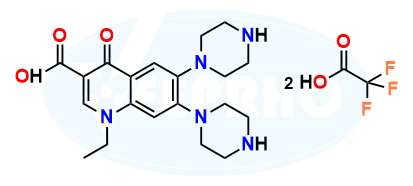
Parent: Norfloxacin

Parent: Norfloxacin

Parent: Norfloxacin
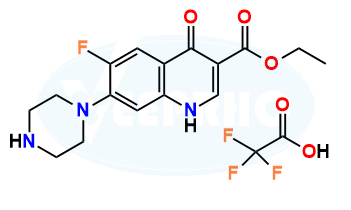
Parent: Norfloxacin
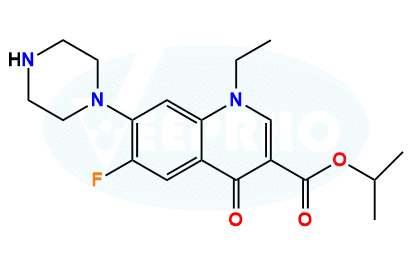
Parent: Norfloxacin
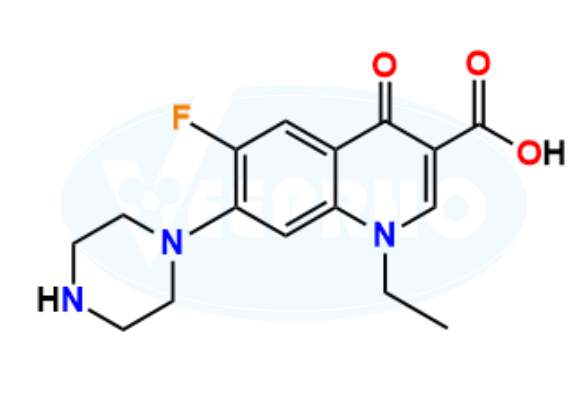
Parent: Norfloxacin
Impurities in Norfloxacin can arise due to synthesis processes, degradation, or storage conditions. Regulatory authorities like the FDA, ICH, and EMA enforce strict impurity limits to ensure the drug’s safety and efficacy.
Process-Related Impurities
• Unreacted intermediates from chemical synthesis
• Residual solvents (e.g., methanol, ethanol, dichloromethane)
• By-products from synthetic reactions
Degradation Impurities
• Oxidation by-products due to exposure to oxygen or light
• Hydrolysis impurities from moisture exposure
• Thermal degradation products under high temperatures
Elemental Impurities
• Heavy metals from catalysts used in synthesis
• Trace levels of lead, arsenic, cadmium, mercury**
Analytical Techniques for Impurity Detection
• High-Performance Liquid Chromatography (HPLC)
• Gas Chromatography (GC)
• Fourier-Transform Infrared Spectroscopy (FT-IR)
• Mass Spectrometry (MS)
Avoid consuming dairy products, antacids, iron supplements, and caffeine while taking norfloxacin, as they can reduce its absorption. Also, avoid direct sunlight or UV exposure due to the risk of photosensitivity reactions.
Yes, norfloxacin should be taken on an empty stomach at least 1 hour before or 2 hours after meals, as food can decrease its absorption and effectiveness.
No, you should complete the full prescribed course of norfloxacin, even if symptoms improve. Stopping early may lead to bacterial resistance and reinfection.
Norfloxacin can interact with antacids, multivitamins (containing calcium, magnesium, or zinc), NSAIDs, corticosteroids, and blood thinners (like warfarin). It may also increase the risk of tendon rupture when taken with corticosteroids.