
Impurezas de Acetazolamide
Solicitar cotação de um conjunto
- Solicitar cotação para este conjunto
Todas as impurezas EP de Acetazolamide
6 produtosVer os 6 produtos
- Acetazolamide EP Impurity A VL11001
CAS 60320-32-3 - Acetazolamide EP Impurity B VL11003
CAS 5393-55-5 - Acetazolamide EP Impurity C VL11004
CAS 32873-56-6 - Acetazolamide EP Impurity D (Free Base) VE006733
CAS 14949-00-9 - Acetazolamide EP Impurity D (HCl salt) VL11005
CAS 120208-98-2 - Acetazolamide EP Impurity F VL11007
CAS 80495-47-2
- Acetazolamide EP Impurity A VL11001
- Solicitar cotação para este conjunto
Todas as impurezas USP de Acetazolamide
6 produtosVer os 6 produtos
- Acetazolamide Disulphide Impurity VL11008
CAS 99055-56-8 - Acetazolamide EP Impurity A VL11001
CAS 60320-32-3 - Acetazolamide EP Impurity B VL11003
CAS 5393-55-5 - Acetazolamide EP Impurity C VL11004
CAS 32873-56-6 - Acetazolamide EP Impurity D (Free Base) VE006733
CAS 14949-00-9 - Acetazolamide EP Impurity F VL11007
CAS 80495-47-2
- Acetazolamide Disulphide Impurity VL11008
- Solicitar cotação para este conjunto
Todas as impurezas de nitrosaminas de Acetazolamide
2 produtosVer os 2 produtos


1–13 de 13 resultados10 em estoque
| Estrutura | Nome do produto |
|---|---|
| Acetazolamide Disulphide ImpurityNº CAS 99055-56-8 · VL11008 | |
| Acetazolamide EP Impurity ANº CAS 60320-32-3 · VL11001 · Em estoque | |
| Acetazolamide EP Impurity BNº CAS 5393-55-5 · VL11003 · Em estoque | |
| Acetazolamide EP Impurity CNº CAS 32873-56-6 · VL11004 · Em estoque | |
| Acetazolamide EP Impurity D (Free Base)Nº CAS 14949-00-9 · VE006733 · Em estoque | |
| Acetazolamide EP Impurity D (HCl salt)Nº CAS 120208-98-2 · VL11005 · Em estoque | |
| Acetazolamide EP Impurity ENº CAS 827026-60-8 · VL11002 · Em estoque | |
| Acetazolamide EP Impurity FNº CAS 80495-47-2 · VL11007 · Em estoque | |
| Acetazolamide EP Impurity GNº CAS 2349-67-9 · VL11006 · Em estoque | |
 | Acetazolamide Impurity – N-(5-Acetamido-1,3,4-Thiadiazole-2-YL) Sulphamoyl-1,3,4-Thiadiazol-2-yl AcetamideVL11010 · Em estoque |
| Acetazolamide Sulfonylchloride ImpurityNº CAS 32873-57-7 · VE006734 · Em estoque | |
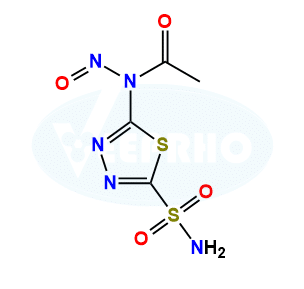
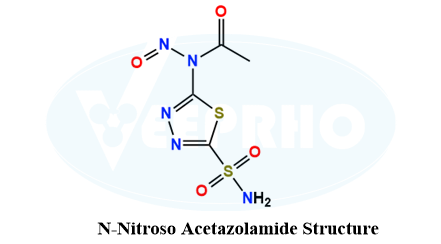
| N-Nitroso AcetazolamideVE0015914 | |
| 2-tert-Butyl-5-methylamino-1,3,4-thiadiazoleVL11011 |
Acetazolamide Related Compound
During the production and storage of acetazolamide, impurities can form that must be carefully monitored to ensure the medication’s safety and efficacy. Regulatory agencies, such as the U.S. Food and Drug Administration (FDA) and the European Medicines Agency (EMA), have established guidelines for permissible levels of impurities in pharmaceutical products.
FAQs
Perguntas frequentes
What is acetazolamide used for?
Acetazolamide is used to treat several medical conditions, including glaucoma, altitude sickness, and edema (fluid retention). It works by inhibiting the enzyme carbonic anhydrase, which decreases fluid production in various parts of the body. This helps reduce swelling caused by heart disease and lowers pressure inside the eyes for patients with glaucoma. Acetazolamide can also prevent and treat symptoms of altitude sickness, and is sometimes used to manage certain types of seizures due to its effects on brain chemistry.
Why is acetazolamide banned?
Acetazolamide is not banned for medical use, but it is prohibited in competitive sports by the World Anti-Doping Agency (WADA) because it is classified as a "masking agent." It can be used to alter urine pH and increase diuresis, which can potentially hide the presence of other banned substances in drug tests. Athletes are prohibited from using acetazolamide without a therapeutic use exemption (TUE) when it is medically necessary.
Is acetazolamide an ACE inhibitor?
No, acetazolamide is not an ACE inhibitor. It is a carbonic anhydrase inhibitor. While both classes of drugs are used to treat certain conditions like hypertension, they work through different mechanisms. ACE inhibitors lower blood pressure by blocking the conversion of angiotensin I to angiotensin II, a substance that narrows blood vessels. Acetazolamide, on the other hand, works by inhibiting the enzyme carbonic anhydrase, which reduces fluid buildup in the body and affects pH balance, but it does not directly impact blood vessel constriction.
What does acetazolamide do to the brain?
Acetazolamide affects the brain by reducing the production of cerebrospinal fluid (CSF), which can help lower pressure inside the skull. This makes it useful in the treatment of conditions like idiopathic intracranial hypertension (IIH), where elevated CSF pressure causes headaches and vision problems. By decreasing fluid buildup, acetazolamide can alleviate symptoms associated with high intracranial pressure, such as headaches, nausea, and vision disturbances. Additionally, acetazolamide’s effects on the brain’s pH balance can have an anticonvulsant effect, which is why it is sometimes used to manage seizures.