
Impurezas de Carbinoxamine
Solicitar cotação de um conjunto
- Solicitar cotação para este conjunto
Todas as impurezas USP de Carbinoxamine
5 produtosVer os 5 produtos
- Carbinoxamine Related Compound A VE0020610
CAS 6318-51-0 - Carbinoxamine Related Compound B VE008605
CAS 27652-89-7 - Carbinoxamine Related Compound C VL4700001
- Carbinoxamine Related Compound C (Oxalate Salt) VE007985
CAS 2771193-12-3 - Doxylamine EP Impurity C (Free Base) VL38003
CAS 1221-70-1
- Carbinoxamine Related Compound A VE0020610
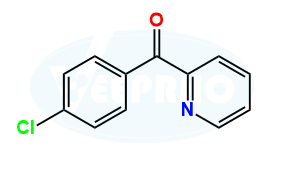

1–7 de 7 resultados7 em estoque
| Estrutura | Nome do produto |
|---|---|
| Carbinoxamine N-OxideNº CAS 1256285-70-7 · VE0013216 · Em estoque | |
| Carbinoxamine Related Compound ANº CAS 6318-51-0 · VE0020610 · Em estoque | |
| Carbinoxamine Related Compound BNº CAS 27652-89-7 · VE008605 · Em estoque | |
 | Carbinoxamine Related Compound CVL4700001 · Em estoque |
 | Carbinoxamine Related Compound C (Oxalate Salt)Nº CAS 2771193-12-3 · VE007985 · Em estoque |
| Doxylamine EP Impurity C (Free Base)Nº CAS 1221-70-1 · VL38003 · Em estoque | |
| N-Nitroso Desmethyl CarbinoxamineVE0020614 · Em estoque |
Carbinoxamine and Related Compound
Quality specifications for carbinoxamine drug substance and finished products typically define limits for related substances, degradation products, residual solvents and elemental impurities to ensure safety and performance. Typical acceptance criteria used in analytical control strategies are individual related compounds not greater than 0.5 percent and total related compounds not greater than 1.0 percent by area percent in validated chromatographic assays, with unspecified impurities reported at thresholds at or below 0.05 percent. Total impurities are commonly limited to 1.5 percent. Known related compounds and degradation pathways include N-desalkylated species and oxidative derivatives formed during synthesis or storage; appropriate identification and quantification is performed by LC with mass confirmation where needed. Residual solvents are controlled per ICH Q3C with limits dependent on solvent class and typical allowable levels such as a few thousand parts per million for class 3 solvents, and elemental impurities are controlled per ICH Q3D with commonly applied specification limits for heavy metals in the low parts per million range. Individual manufacturers and pharmacopeial monographs may set slightly different numerical limits based on dose, route and product profile.
Perguntas frequentes
What is carbinoxamine used for?
Carbinoxamine is used to relieve symptoms of allergic conditions including hay fever, vasomotor rhinitis, mild urticaria, angioedema, dermatographism and allergic conjunctivitis by blocking H1 histamine receptors.
Can carbinoxamine make you sleepy?
Yes, Because carbinoxamine crosses the blood brain barrier it commonly causes sedation and drowsiness. Patients should avoid driving or operating machinery until they know how the drug affects them and clinicians should use caution in elderly patients and those taking other central nervous system depressants.
What generation Can you take Zyrtec and carbinoxamine together?is Carbinoxamine?
Combining carbinoxamine with Zyrtec, which contains cetirizine, is not routinely recommended without medical supervision because additive antihistaminic and sedative effects and increased anticholinergic burden may occur. Consult a healthcare professional before combining first generation and second generation antihistamines.
What generation antihistamine is carbinoxamine?
Carbinoxamine is a first generation H1 antihistamine, characterized by effective peripheral H1 blockade and appreciable central nervous system penetration that contributes to sedation.