
Impurezas de Etomidate
Solicitar cotação de um conjunto
- Solicitar cotação para este conjunto
Todas as impurezas EP de Etomidate
2 produtosVer os 2 produtos
- Etomidate EP Impurity A VE009932
CAS 7036-56-8 (Or Old Cas No.3157-27-5) - Etomidate EP Impurity C VE009933
CAS 792842-51-4
- Etomidate EP Impurity A VE009932
- Solicitar cotação para este conjunto
Todas as impurezas de nitrosaminas de Etomidate
2 produtosVer os 2 produtos
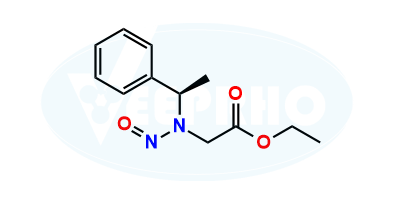
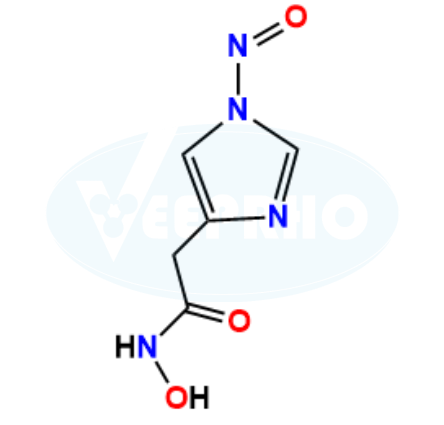
- N-Nitroso Etomidate Impurity 1 VE0023838
CAS 2763812-26-4 - N-Nitroso Etomidate Impurity 52 VE0026059
CAS 149573-80-8
- N-Nitroso Etomidate Impurity 1 VE0023838

1–23 de 23 resultados23 em estoque
| Estrutura | Nome do produto |
|---|---|
| Etomidate Acid R-IsomerNº CAS 56649-48-0 · VE006276 · Em estoque | |
 | Etomidate EP Impurity ANº CAS 7036-56-8 (Or Old Cas No.3157-27-5) · VE009932 · Em estoque |
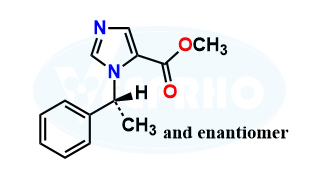 | Etomidate EP Impurity B (Free Base)Nº CAS 5377-8-20 · VE0025641 · Em estoque |
| Etomidate EP Impurity CNº CAS 792842-51-4 · VE009933 · Em estoque | |
| Etomidate Impurity 1Nº CAS 844658-92-0 · VE0015315 · Em estoque | |
| Etomidate Impurity 4Nº CAS 84711-26-2 · VE0015316 · Em estoque | |
| Etomidate Impurity 5 (Free Base)Nº CAS 66512-37-6 · VE0018995 · Em estoque | |
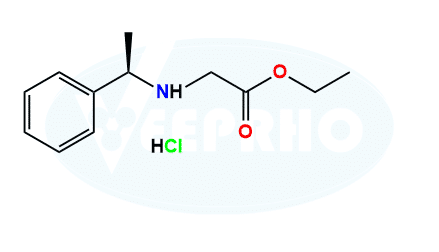 | Etomidate Impurity 5 (HCl)VE0015317 · Em estoque |
| Etomidate Impurity 6Nº CAS 66514-85-0 · VE0015310 · Em estoque | |
| Etomidate Impurity 7Nº CAS 2433776-55-5 · VE0015320 · Em estoque | |
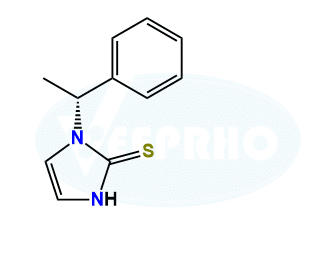 | Etomidate Impurity 11VE0015328 · Em estoque |
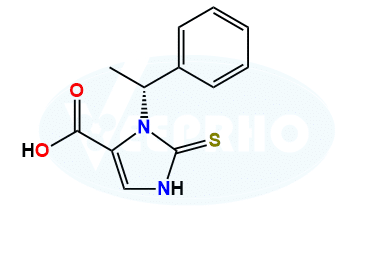 | Etomidate Impurity 12VE0015329 · Em estoque |
| Etomidate Impurity 15Nº CAS 2374709-47-2 · VE0015331 · Em estoque | |
| Etomidate Impurity 16Nº CAS 31502-34-8 · VE0015332 · Em estoque | |
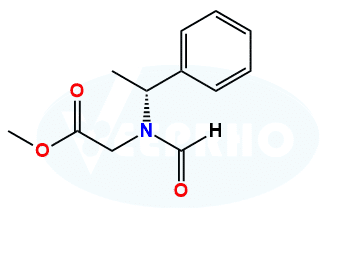 | Etomidate Impurity 17Nº CAS 81591-23-3 · VE0015337 · Em estoque |
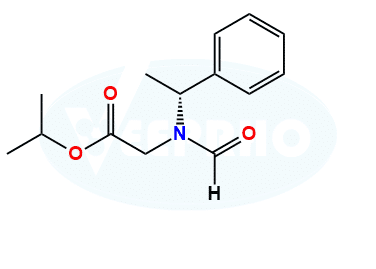 | Etomidate Impurity 18VE0015339 · Em estoque |
| Etomidate Impurity 19Nº CAS 66512-38-7 · VE0015342 · Em estoque | |
| Etomidate Impurity 20Nº CAS 112421-33-7 · VE0015346 · Em estoque | |
| Etomidate Impurity 24Nº CAS 91284-61-6 · VE0018652 · Em estoque | |
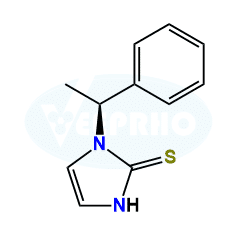 | Etomidate Impurity 27VE0015348 · Em estoque |
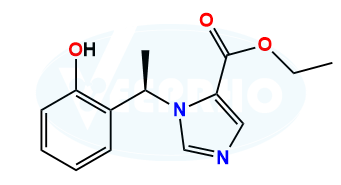 | Etomidate Impurity 32VE0018893 · Em estoque |
| N-Nitroso Etomidate Impurity 1Nº CAS 2763812-26-4 · VE0023838 · Em estoque | |
| N-Nitroso Etomidate Impurity 52Nº CAS 149573-80-8 · VE0026059 · Em estoque |
Etomidate Related Compound
During the production and storage of Etomidate, related compounds and impurities may form, which must be controlled to ensure the drug’s safety and efficacy. Regulatory guidelines, such as those from the U.S. Food and Drug Administration (FDA), define permissible impurity levels to maintain the quality of Etomidate formulations. Key aspects of Etomidate-related compounds and impurities include:
- Related Substances: These are chemically similar compounds that may form during the synthesis of Etomidate. Monitoring these related substances ensures the medication’s safety and effectiveness.
- Degradation Products: Etomidate may degrade over time due to environmental factors such as light, heat, or moisture. Degradation products, often related compounds, can compromise the drug’s potency and stability.
- Residual Solvents: Trace amounts of solvents used in the manufacturing process may remain in the final product. Regulatory standards specify acceptable limits to ensure patient safety.
Advanced analytical methods, such as High-Performance Liquid Chromatography (HPLC), are used to detect and quantify Etomidate-related compounds and impurities, ensuring compliance with stringent safety and quality standards.
Perguntas frequentes
Is Etomidate a sedative or paralytic?
Etomidate is a sedative and anesthetic agent but not a paralytic. It induces anesthesia and sedation without causing muscle relaxation, so it is often used in combination with paralytic agents like rocuronium for procedures requiring complete muscle relaxation.
Why is Etomidate no longer used?
Etomidate is still widely used but with caution. Its use has declined in some scenarios due to concerns over adrenal suppression, particularly with prolonged administration. It is now primarily reserved for short-term procedures or critically ill patients where hemodynamic stability is crucial.
Is Etomidate the same as Propofol?
No, Etomidate and Propofol are different anesthetic agents. While both are used for induction of anesthesia, Etomidate is known for its cardiovascular stability, whereas Propofol has a broader sedative application but may cause more significant blood pressure drops.
What is Etomidate and Rocuronium?
Etomidate and Rocuronium are often used together in rapid sequence intubation (RSI). Etomidate serves as the anesthetic agent, inducing unconsciousness, while Rocuronium is a paralytic agent used to relax muscles and facilitate intubation.