
Impurezas de Furosemide
Solicitar cotação de um conjunto
- Solicitar cotação para este conjunto
Todas as impurezas EP de Furosemide
5 produtosVer os 5 produtos
- Furosemide EP Impurity A (Free Base) VL61003
CAS 4818-59-1 - Furosemide EP Impurity B VL61005
CAS 2736-23-4 - Furosemide EP Impurity C VL61004
CAS 3086-91-7 - Furosemide EP Impurity D VL61001
CAS 5046-19-5 - Furosemide EP Impurity E VL61002
CAS 50-84-0
- Furosemide EP Impurity A (Free Base) VL61003
- Solicitar cotação para este conjunto
Todas as impurezas USP de Furosemide
2 produtosVer os 2 produtos
- Furosemide EP Impurity A (Free Base) VL61003
CAS 4818-59-1 - Furosemide EP Impurity C VL61004
CAS 3086-91-7
- Furosemide EP Impurity A (Free Base) VL61003
- Solicitar cotação para este conjunto
Todas as impurezas de nitrosaminas de Furosemide
2 produtosVer os 2 produtos
- N-Nitroso Furosemide VE007632
CAS 2708280-93-5 - N-Nitroso Furosemide (Sodium Salt) VE0016427
- N-Nitroso Furosemide VE007632
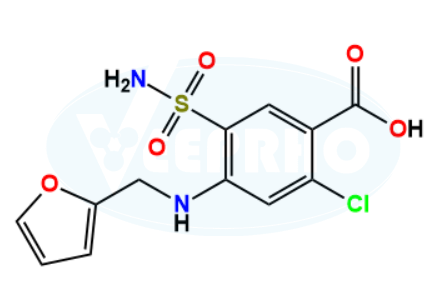


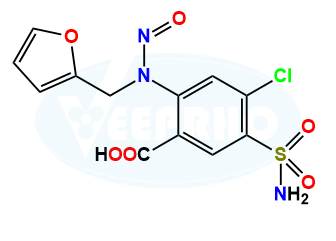
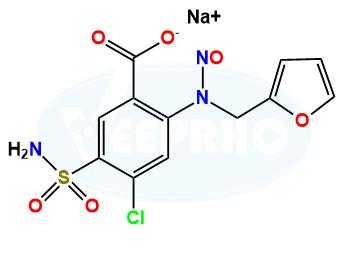
1–19 de 19 resultados19 em estoque
| Estrutura | Nome do produto |
|---|---|
| Ethyl 2,4-Dichloro-5-sulphamoylbenzoateNº CAS 4793-25-3 · VE0022740 · Em estoque | |
 | Furosemide Acyl GlucuronideVE0016429 · Em estoque |
| Furosemide EP Impurity A (Free Base)Nº CAS 4818-59-1 · VL61003 · Em estoque | |
| Furosemide EP Impurity BNº CAS 2736-23-4 · VL61005 · Em estoque | |
| Furosemide EP Impurity CNº CAS 3086-91-7 · VL61004 · Em estoque | |
| Furosemide EP Impurity DNº CAS 5046-19-5 · VL61001 · Em estoque | |
| Furosemide EP Impurity ENº CAS 50-84-0 · VL61002 · Em estoque | |
| Furosemide Impurity 2Nº CAS 41332-59-6 · VE0016423 · Em estoque | |
| Furosemide Impurity 4 (Sodium Salt)VE0016424 · Em estoque | |
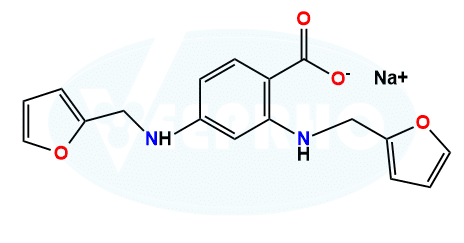 | Furosemide Impurity 7 (Sodium Salt)VE0016425 · Em estoque |
| Furosemide Impurity 10Nº CAS 133989-65-8 · VE0016426 · Em estoque | |
| Furosemide Impurity 19 (Disodium Salt)VE0016428 · Em estoque | |
| Furosemide Impurity 38Nº CAS 2760-11-4 · VE0024409 · Em estoque | |
| Furosemide Impurity 41Nº CAS 3740-18-9 · VE0024407 · Em estoque | |
| N-Nitroso FurosemideNº CAS 2708280-93-5 · VE007632 · Em estoque | |
| N-Nitroso Furosemide (Sodium Salt)VE0016427 · Em estoque | |
| TetrahydrofurfurylamineNº CAS 4795-29-3 · VE0020133 · Em estoque | |
| 2-Chloro-5-chlorosulfonylbenzoic AcidNº CAS 137-64-4 · VE0024411 · Em estoque | |
| 4-Amino-2-chlorobenzoic acidNº CAS 2457-76-3 · VE0024413 · Em estoque |
Furosemide Related Compound
As with all pharmaceutical products, impurities may develop in furosemide during its manufacturing, storage, or handling. Monitoring and controlling these impurities is essential to ensure the medication’s safety, efficacy, and quality.
Types of Impurities in Furosemide
Related Substances These are chemically related compounds or byproducts formed during the synthesis of furosemide. Monitoring these ensures the drug’s purity and effectiveness. Degradation Products Furosemide may degrade under improper storage conditions, such as exposure to light, heat, or moisture, which can reduce its efficacy or alter its safety profile. Residual Solvents Trace amounts of solvents used during manufacturing may remain in the final product. Regulatory guidelines ensure these solvents are within permissible limits to minimize patient risks. Analytical Techniques for Monitoring Impurities Techniques like High-Performance Liquid Chromatography (HPLC) and Mass Spectrometry (LC-MS) are commonly used to detect and quantify impurities, ensuring furosemide meets stringent safety and quality standards.
Perguntas frequentes
What not to do when taking furosemide?
Avoid consuming large amounts of salt or salt substitutes, as they can counteract the medication’s effects. Refrain from drinking alcohol, as it may increase the risk of dehydration or dizziness. Always follow your healthcare provider’s instructions.
What do I need to know before giving furosemide?
Before administering furosemide, check the patient’s electrolyte levels, kidney function, and blood pressure, as the drug can cause imbalances and dehydration. Be cautious in patients with severe liver or kidney conditions and those at risk of low blood pressure.
How long should you wait to eat after taking furosemide?
Furosemide can be taken with or without food. However, if it causes an upset stomach, taking it with food may help. Consult your healthcare provider for specific recommendations.
What is the most common side effect of furosemide?
The most common side effect of furosemide is frequent urination , which is expected due to its diuretic effect. Other common side effects include dehydration, low blood pressure, and electrolyte imbalances such as low potassium or magnesium levels.