
Impurezas de Meglumine
Solicitar cotação de um conjunto
- Solicitar cotação para este conjunto
Todas as impurezas de nitrosaminas de Meglumine
2 produtosVer os 2 produtos
- N-Nitroso Meglumine (Chiral Form) VE0018404
CAS 10356-92-0 - N-Nitroso Meglumine (Racemic Form) VE009502
CAS 62137-31-9
- N-Nitroso Meglumine (Chiral Form) VE0018404
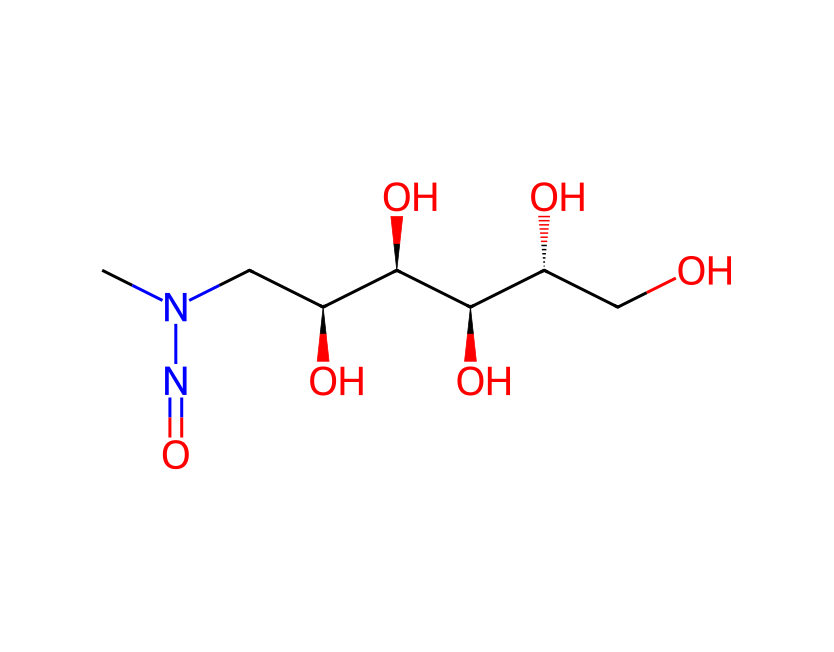
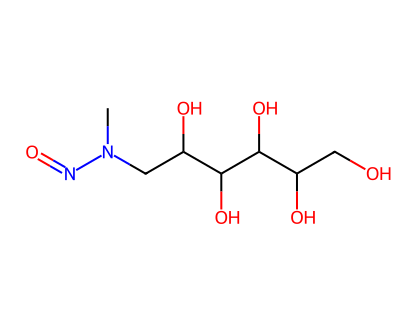
1–2 de 2 resultados1 em estoque
| Estrutura | Nome do produto |
|---|---|
| N-Nitroso Meglumine (Chiral Form)Nº CAS 10356-92-0 · VE0018404 · Em estoque | |
| N-Nitroso Meglumine (Racemic Form)Nº CAS 62137-31-9 · VE009502 |
Meglumine Related Compound
Impurities in meglumine primarily arise from its chemical synthesis, which involves methylation of D-glucosamine. Given its use in parenteral and ophthalmic formulations, the purity requirements are stringent, and control is governed by ICH Q3A/B, ICH Q3D, USP, and EP standards.
Types of Impurities in Meglumine
Process-Related Impurities • Unreacted glucose or glucosamine • Over-methylated amines or by-products from incomplete methylation • Residual solvents like methanol, ethanol, or acetone (if used during synthesis or purification) • Residual alkali (e.g., sodium hydroxide) from neutralization steps • Inorganic salts or reaction by-products Degradation Impurities • Hydrolysis products (under extreme pH or prolonged exposure to heat/moisture) • Oxidation of the sugar backbone forming aldehydes or acids • Browning or Maillard-type products in combination with amines or amino acids Elemental Impurities • Trace metals such as iron, copper, or nickel from reactors or catalysts • Strictly controlled under ICH Q3D for injectable and ophthalmic uses Analytical Techniques for Impurity Detection
- HPLC with RI or ELSD detection – for related sugars and sugar alcohols • GC – for volatile residual solvents • Titration – for assay and pH control • NMR (¹H and ¹³C) – for identity and structural impurity confirmation • ICP-MS – for elemental impurity profiling • Microbial and endotoxin testing – mandatory for parenteral applications • Stability testing (ICH Q1A) – under stress conditions to monitor degradation
Perguntas frequentes
What is Meglumine used for?
Meglumine is used as an excipient to enhance solubility, adjust pH, and stabilize acidic drugs, especially in injectable and contrast media formulations.
Does Meglumine have any pharmacological activity?
No, it is pharmacologically inactive and used solely for formulation purposes.
Is Meglumine safe for injection?
Yes, when manufactured and purified according to pharmacopeial standards, it is safe for parenteral use and widely used in FDA-approved formulations.
What are the side effects of Meglumine?
Meglumine itself rarely causes side effects; any adverse reactions are typically due to the active drug it is formulated with.
How should Meglumine be stored?
Store in a tightly closed container at room temperature, protected from moisture and heat. It is highly hygroscopic and should be kept in a dry environment.