
Clotrimazole-Verunreinigungen
Angebot für ein Set anfordern
- Angebot für dieses Set anfragen
Alle EP-Verunreinigungen von Clotrimazole
6 ProdukteDie 6 Produkte ansehen
- Clotrimazole EP Impurity A (Free Base) VL164001
CAS 66774-02-5 - Clotrimazole EP Impurity B VL164004
CAS 23593-71-7 - Clotrimazole EP Impurity C VL164007
CAS 42074-68-0 - Clotrimazole EP Impurity E VL164002
- Clotrimazole EP Impurity F VL164003
CAS 15469-97-3 - Enalapril EP Impurity I VL1360009
CAS 288-32-4
- Clotrimazole EP Impurity A (Free Base) VL164001

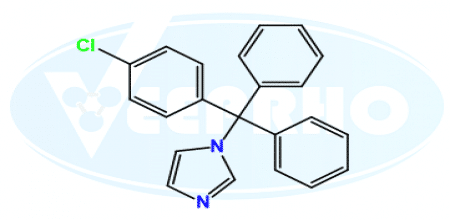

1–14 von 14 Ergebnissen14 auf Lager
| Struktur | Produktname |
|---|---|
| Clotrimazole EP Impurity A (Free Base)CAS-Nr. 66774-02-5 · VL164001 · Auf Lager | |
| Clotrimazole EP Impurity BCAS-Nr. 23593-71-7 · VL164004 · Auf Lager | |
| Clotrimazole EP Impurity CCAS-Nr. 42074-68-0 · VL164007 · Auf Lager | |
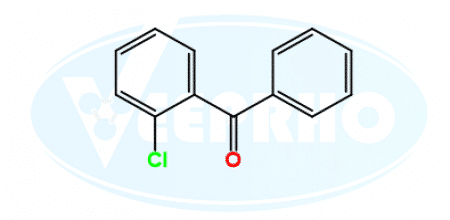 | Clotrimazole EP Impurity EVL164002 · Auf Lager |
| Clotrimazole EP Impurity FCAS-Nr. 15469-97-3 · VL164003 · Auf Lager | |
| Clotrimazole Impurity 1CAS-Nr. 968-39-8 · VE0013858 · Auf Lager | |
| Clotrimazole Impurity 7CAS-Nr. 3509-85-1 · VE0013857 · Auf Lager | |
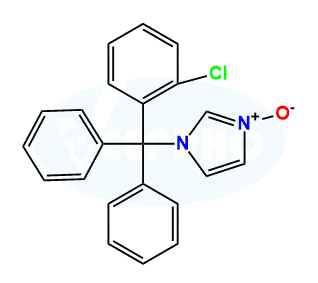 | Clotrimazole N-OxideVE0013859 · Auf Lager |
| Enalapril EP Impurity ICAS-Nr. 288-32-4 · VL1360009 · Auf Lager | |
| (2-Chlorophenyl)diphenylmethaneCAS-Nr. 56153-60-7 · VE0022433 · Auf Lager | |
| (2-Chlorophenyl)diphenylmethyl Ethyl EtherCAS-Nr. 717109-43-8 · VE0022444 · Auf Lager | |
| 1-((2-chlorophenyl)diphenylmethyl)-2-methyl-1H-imidazoleCAS-Nr. 98751-53-2 · VE008713 · Auf Lager | |
| 1-chloro-2-(dichloromethyl)benzeneCAS-Nr. 29647-82-3 · VE008712 · Auf Lager | |
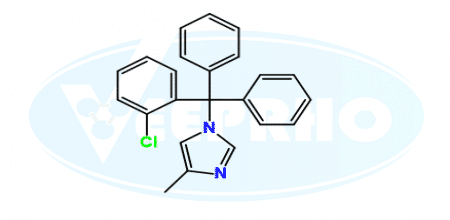 | 4-methyl-1H-imidazole ClotrimazoleVE009136 · Auf Lager |
Clotrimazole Related Compound
During the production and storage of Clotrimazole, related compounds and impurities may form, which must be controlled to ensure the medication’s safety and efficacy. Regulatory authorities provide guidelines for permissible impurity levels in pharmaceutical formulations. Key aspects of Clotrimazole-related compounds and impurities include:
- Related Substances: These are chemically similar compounds that may form during synthesis. Monitoring these substances ensures the drug’s purity and effectiveness.
- Degradation Products: Clotrimazole may degrade over time due to environmental factors such as heat, light, or moisture, potentially reducing its stability and potency.
- Residual Solvents: Trace amounts of solvents used during manufacturing may remain in the final product. Regulatory standards ensure these are within acceptable limits to guarantee patient safety.
Advanced analytical methods, such as High-Performance Liquid Chromatography (HPLC), are employed to detect and quantify Clotrimazole-related compounds and impurities, ensuring compliance with stringent quality standards.
Häufige Fragen
What do you use Clotrimazole for?
Clotrimazole is used to treat fungal infections, including athlete’s foot, jock itch, ringworm, and yeast infections. It is also effective for certain fungal skin infections like candidiasis.
Can I use Clotrimazole cream on my vagina?
Yes, Clotrimazole vaginal cream is safe and effective for treating yeast infections. Always follow the instructions provided by your doctor or on the product label.
Is Clotrimazole safe for skin?
Clotrimazole is generally safe for topical use on the skin when used as directed. It may occasionally cause mild irritation or redness, which should subside with continued use.
Does Clotrimazole work quickly?
Clotrimazole begins to work shortly after application, with noticeable improvements typically occurring within a few days. Complete resolution of symptoms may take up to two weeks, depending on the severity of the infection.