
Hydrochlorothiazide-Verunreinigungen
Angebot für ein Set anfordern
- Angebot für dieses Set anfragen
Alle EP-Verunreinigungen von Hydrochlorothiazide
3 ProdukteDie 3 Produkte ansehen
- Hydrochlorothiazide EP Impurity A VL80002
CAS 58-94-6 - Hydrochlorothiazide EP Impurity B VL80003
CAS 121-30-2 - Hydrochlorothiazide EP Impurity C VL80001
CAS 402824-96-8
- Hydrochlorothiazide EP Impurity A VL80002
- Angebot für dieses Set anfragen
Alle USP-Verunreinigungen von Hydrochlorothiazide
4 ProdukteDie 4 Produkte ansehen
- Hydrochlorothiazide EP Impurity A VL80002
CAS 58-94-6 - Hydrochlorothiazide EP Impurity B VL80003
CAS 121-30-2 - Hydrochlorothiazide EP Impurity C VL80001
CAS 402824-96-8 - 5 chlorohydrochlorothiazide VL80004
CAS 5233-42-1
- Hydrochlorothiazide EP Impurity A VL80002
- Angebot für dieses Set anfragen
Alle Nitrosamin-Verunreinigungen von Hydrochlorothiazide
3 ProdukteDie 3 Produkte ansehen
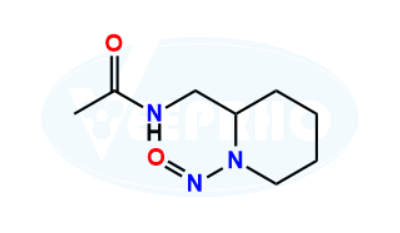
- N-((1-nitrosopiperidin-2-yl)methyl)acetamide VE0024005
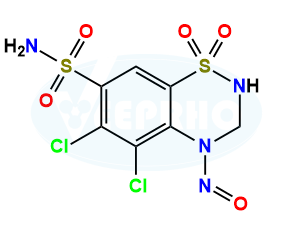
- N-Nitroso 5-Chloro Hydrochlorothiazide VE0024874
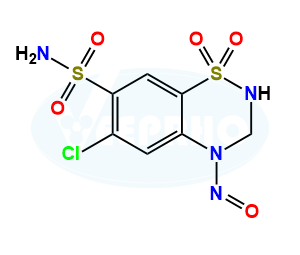
- N-Nitroso Hydrochlorothiazide VE007633
CAS 63779-86-2


1–27 von 27 Ergebnissen26 auf Lager

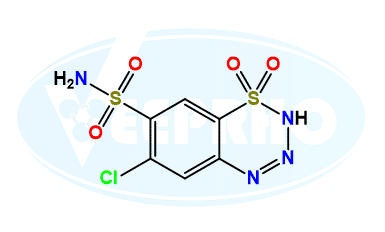


Hydrochlorothiazide Related Compound
During the production and storage of Hydrochlorothiazide, related compounds and impurities may form, which must be carefully monitored to ensure the medication’s safety and efficacy. Regulatory guidelines define acceptable impurity levels to maintain product quality. Key aspects of Hydrochlorothiazide-related compounds and impurities include:
- Related Substances: These are structurally similar compounds that may arise during synthesis or degradation. Controlling these substances ensures the medication’s therapeutic effectiveness and safety.
- Degradation Products: Environmental factors such as heat, light, or moisture can cause Hydrochlorothiazide to degrade over time. Monitoring these degradation products ensures the medication’s stability.
- Residual Solvents: Trace amounts of solvents used in the manufacturing process may remain in the final product. Regulatory standards ensure these remain within safe limits to minimize risks.
Advanced analytical techniques, such as High-Performance Liquid Chromatography (HPLC), are employed to detect and quantify Hydrochlorothiazide-related compounds and impurities, ensuring compliance with stringent quality standards.
Häufige Fragen
What is Hydrochlorothiazide used for?
Hydrochlorothiazide is used to treat fluid retention (edema) caused by medical conditions like heart, kidney, or liver disease. It is also commonly prescribed to manage high blood pressure, often in combination with other antihypertensive medications.
Is Hydrochlorothiazide a potassium-sparing diuretic?
No, Hydrochlorothiazide is not a potassium-sparing diuretic. It is a thiazide diuretic, which can lead to potassium loss. Patients may need potassium supplements or a potassium-sparing diuretic to counteract this effect.
What is the number one side effect of Hydrochlorothiazide?
The most common side effect of Hydrochlorothiazide is increased urination. Other side effects may include dizziness, low potassium levels, and dehydration, especially during the initial stages of treatment.
What is the new warning on Hydrochlorothiazide?
Recent warnings highlight an increased risk of non-melanoma skin cancer with long-term use of Hydrochlorothiazide. Patients are advised to use sunscreen and avoid excessive sun exposure while taking this medication.