
Impurezas de Glycopyrrolate
Solicitar cotización de un conjunto
- Solicitar cotización de este conjunto
Todas las impurezas EP de Glycopyrrolate
6 productosVer los 6 productos
- Glycopyrrolate EP Impurity I VE000100
CAS 1404453-68-4 - Glycopyrrolate EP Impurity L (S-Isomer) VE0014809
CAS 860644-54-8 - Glycopyrrolate Related Compound B (Free Base) VL3880001
CAS 13118-11-1 - Glycopyrrolate Related compound L VL3880003
CAS 19833-96-6 - Glycopyrronium Bromide EP Impurity D VL2410003
CAS 65-85-0 - Mefenamic Acid EP Impurity D VL2950003
CAS 65-85-0
- Glycopyrrolate EP Impurity I VE000100
- Solicitar cotización de este conjunto
Todas las impurezas USP de Glycopyrrolate
6 productosVer los 6 productos
- Glycopyrrolate EP Impurity I VE000100
CAS 1404453-68-4 - Glycopyrrolate EP Impurity L (S-Isomer) VE0014809
CAS 860644-54-8 - Glycopyrrolate Related Compound B (Free Base) VL3880001
CAS 13118-11-1 - Glycopyrrolate Related Compound B (HCl Salt) VE0011378
CAS 13118-10-0 - Glycopyrrolate Related compound L VL3880003
CAS 19833-96-6 - Mefenamic Acid EP Impurity D VL2950003
CAS 65-85-0
- Glycopyrrolate EP Impurity I VE000100
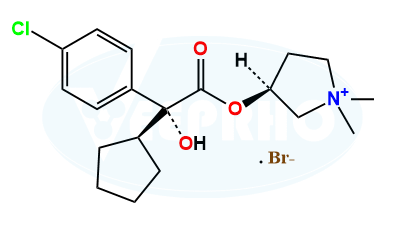
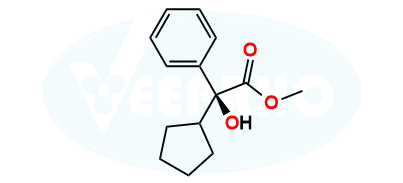
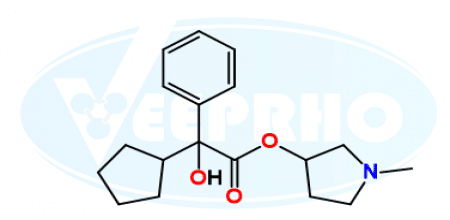
1–18 de 18 resultados17 en stock
| Estructura | Nombre del producto |
|---|---|
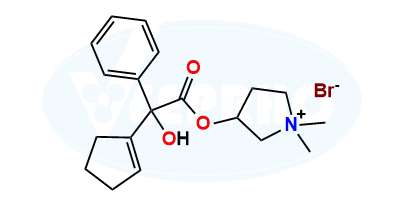 | Dehydro Glycopyrrolate Bromide (Mixture of Diastereomers)N.º CAS 3063998-87-5 · VE0014807 · En stock |
 | Didehydroglycopyrrolate (Bromide Salt)N.º CAS 3063998-87-5 · VL3880006 · En stock |
 | Erythro glycopyrrolateN.º CAS 475468-09-8 (R,R) ; 201667-20-1 (S,S) · VL3880005 · En stock |
| Glycopyrrolate EP Impurity IN.º CAS 1404453-68-4 · VE000100 · En stock | |
| Glycopyrrolate EP Impurity L (S-Isomer)N.º CAS 860644-54-8 · VE0014809 · En stock | |
| Glycopyrrolate Impurity 1N.º CAS 51052-74-5 · VE006544 | |
| Glycopyrrolate Impurity 4N.º CAS 126497-27-6 · VE0014803 · En stock | |
| Glycopyrrolate Impurity 6N.º CAS 64471-45-0 · VE0014804 · En stock | |
| Glycopyrrolate Impurity 10N.º CAS 207856-85-7 · VE0014805 · En stock | |
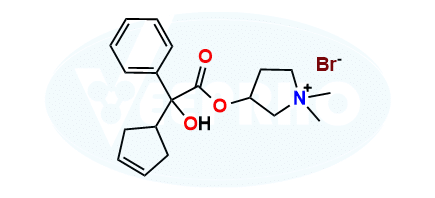 | Glycopyrrolate Impurity 12 (Bromide)VE0014806 · En stock |
| Glycopyrrolate Impurity 21N.º CAS 64471-43-8 · VE0014808 · En stock | |
| Glycopyrrolate Impurity 23N.º CAS 937179-78-7 · VE0014810 · En stock | |
| Glycopyrrolate Related Compound B (Free Base)N.º CAS 13118-11-1 · VL3880001 · En stock | |
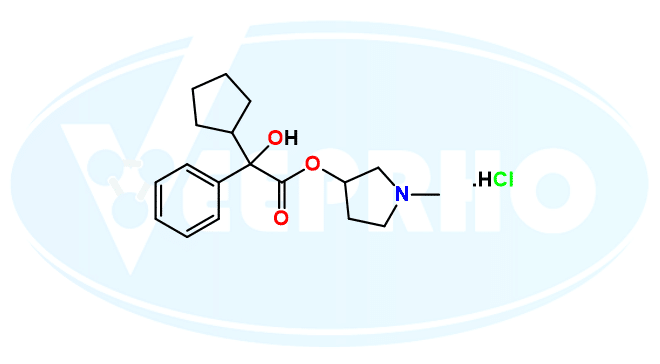 | Glycopyrrolate Related Compound B (HCl Salt)N.º CAS 13118-10-0 · VE0011378 · En stock |
| Glycopyrrolate Related compound LN.º CAS 19833-96-6 · VL3880003 · En stock | |
| Glycopyrronium Bromide EP Impurity DN.º CAS 65-85-0 · VL2410003 · En stock | |
| Mefenamic Acid EP Impurity DN.º CAS 65-85-0 · VL2950003 · En stock | |
| 1-nitrosopyrrolidin-3-yl 2-cyclopentyl-2-hydroxy-2-phenylacetateVE0010557 · En stock |
Glycopyrrolate Related Compound
During the production and storage of glycopyrrolate, impurities can develop that need to be carefully monitored to ensure the medication’s safety and efficacy. Regulatory agencies such as the U.S. Food and Drug Administration (FDA) and the European Medicines Agency (EMA) have strict guidelines for permissible levels of impurities in pharmaceutical products to ensure patient safety.
FAQs
Preguntas frecuentes
What is the drug glycopyrrolate used for?
Glycopyrrolate is used to reduce secretions in the mouth, throat, airways, and stomach. It is commonly prescribed to treat conditions that cause excessive drooling, such as cerebral palsy, and is also used to manage hyperhidrosis (excessive sweating). Additionally, glycopyrrolate is used preoperatively to reduce secretions during surgery, and in combination with neostigmine, it helps reverse the effects of muscle relaxants after surgery to restore normal muscle function.
What is the mechanism of action of glycopyrrolate?
Glycopyrrolate works by blocking the action of acetylcholine, a neurotransmitter that stimulates muscle contractions and secretions in the body. By inhibiting acetylcholine’s action on muscarinic receptors, glycopyrrolate reduces secretions in the salivary glands, airways, and stomach. This anticholinergic effect helps prevent excessive salivation and respiratory secretions, making it useful before and during surgery. It also reduces the overactivity of sweat glands and controls drooling in conditions like cerebral palsy.
Why glycopyrrolate with neostigmine?
Glycopyrrolate is often administered alongside neostigmine to reverse the effects of non-depolarizing muscle relaxants after surgery. Neostigmine increases acetylcholine levels to restore muscle function, but this can lead to unwanted side effects like bradycardia (slow heart rate) and excessive salivation. Glycopyrrolate is used to counteract these side effects by blocking acetylcholine’s action on muscarinic receptors, preventing excessive secretions and maintaining a stable heart rate while neostigmine restores muscle function.
Is glycopyrrolate the same as atropine?
While both glycopyrrolate and atropine are anticholinergic drugs that block acetylcholine receptors, they are not the same. Glycopyrrolate has a more selective action on peripheral muscarinic receptors and does not easily cross the blood-brain barrier, which minimizes its effects on the central nervous system. Atropine, on the other hand, can cross the blood-brain barrier and may have more central effects, such as drowsiness or agitation. Glycopyrrolate is often preferred in situations where reducing secretions without central nervous system side effects is necessary, such as in preoperative care.