
Impurezas de Lidocaine
Solicitar cotización de un conjunto
- Solicitar cotización de este conjunto
Todas las impurezas EP de Lidocaine
18 productosVer los 18 productos
- Lidocaine BP Impurity D VL1040004
CAS 7728-40-7 - Lidocaine BP Impurity F VL1040020
CAS 142713-08-4 - Lidocaine BP Impurity G VL1040007
CAS 35891-87-3 - Lidocaine BP Impurity K VL1040019
CAS 74634-66-5 - Lidocaine EP Impurity A VL1040001
CAS 87-62-7 - Lidocaine EP Impurity B VL1040002
CAS 2903-45-9 - Lidocaine EP Impurity C VL1040003
CAS 2198-53-0 - Lidocaine EP Impurity D (HCl Salt) VE0010174
CAS 7729-94-4 - Lidocaine EP Impurity E VL1040005
CAS 745798-07-6 - Lidocaine EP Impurity E (HCl Salt) VE0022727
CAS 1135231-62-7 - Lidocaine EP Impurity F VE0016064
CAS 857170-72-0 - Lidocaine EP Impurity G VE0016063
CAS 42459-30-3 - Lidocaine EP Impurity H VL1040006
CAS 1131-01-7 - Lidocaine EP Impurity I (Free Base) VE006719
CAS 17289-53-1 - Lidocaine EP Impurity I (HCl salt) VL1040008
CAS 17289-54-2 - Lidocaine EP Impurity J VL1040016
CAS 1012864-23-1 - Lidocaine EP Impurity K (HCl Salt) VE008079
CAS 50295-20-0 - Ropivacaine Related Compound A (HCl salt) VE006435
CAS 21436-98-6
- Lidocaine BP Impurity D VL1040004
- Solicitar cotización de este conjunto
Todas las impurezas USP de Lidocaine
5 productosVer los 5 productos
- Lidocaine Dimer N-Oxide VE0016054
CAS 2725395-82-2 - Lidocaine EP Impurity A VL1040001
CAS 87-62-7 - Lidocaine EP Impurity B VL1040002
CAS 2903-45-9 - Lidocaine EP Impurity H VL1040006
CAS 1131-01-7 - Ropivacaine Related Compound A (HCl salt) VE006435
CAS 21436-98-6
- Lidocaine Dimer N-Oxide VE0016054
- Solicitar cotización de este conjunto
Todas las impurezas de nitrosaminas de Lidocaine
8 productosVer los 8 productos
- N-Nitroso Lidocaine VE0024811
- N-Nitroso Lidocaine; Synthesis Attempts and Failure Report (NAP Test) VE0028705
- N-Nitroso Lidocaine EP Impurity C VE0025007
CAS 86756-31-2 - N-Nitroso Lidocaine EP Impurity D VE0017293
CAS 3033377-17-9 - N-Nitroso Lidocaine EP Impurity E VE0017294
- N-Nitroso Lidocaine EP Impurity G VE0017297
- N-Nitroso Lidocaine Impurity 1 VE007838
- N2-Nitroso-N2-Desethyl Lidocaine EP Impurity I VE0025008


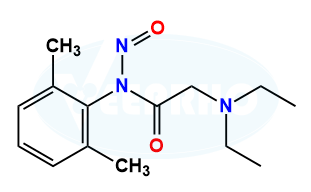
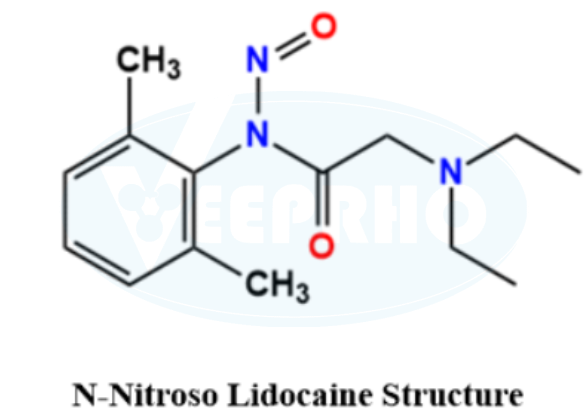
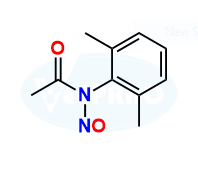
1–41 de 41 resultados40 en stock
| Estructura | Nombre del producto |
|---|---|
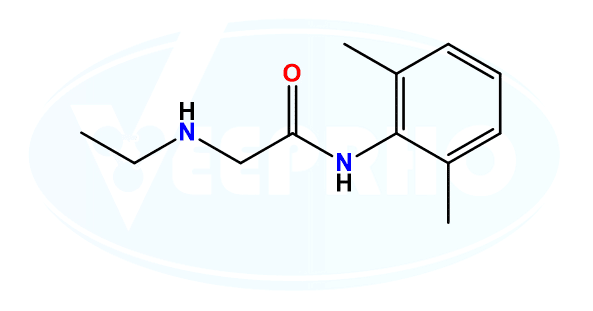 | Lidocaine BP Impurity DN.º CAS 7728-40-7 · VL1040004 · En stock |
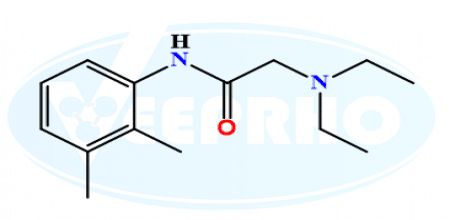 | Lidocaine BP Impurity FN.º CAS 142713-08-4 · VL1040020 · En stock |
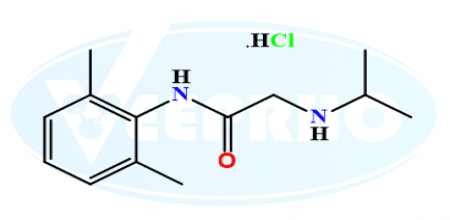 | Lidocaine BP Impurity GN.º CAS 35891-87-3 · VL1040007 · En stock |
| Lidocaine BP Impurity KN.º CAS 74634-66-5 · VL1040019 · En stock | |
| Lidocaine Dimer N-OxideN.º CAS 2725395-82-2 · VE0016054 · En stock | |
| Lidocaine EP Impurity AN.º CAS 87-62-7 · VL1040001 · En stock | |
| Lidocaine EP Impurity BN.º CAS 2903-45-9 · VL1040002 · En stock | |
| Lidocaine EP Impurity CN.º CAS 2198-53-0 · VL1040003 · En stock | |
| Lidocaine EP Impurity D (HCl Salt)N.º CAS 7729-94-4 · VE0010174 · En stock | |
| Lidocaine EP Impurity EN.º CAS 745798-07-6 · VL1040005 · En stock | |
| Lidocaine EP Impurity E (HCl Salt)N.º CAS 1135231-62-7 · VE0022727 · En stock | |
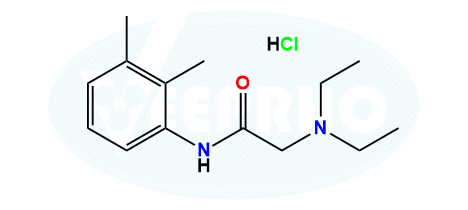 | Lidocaine EP Impurity FN.º CAS 857170-72-0 · VE0016064 · En stock |
| Lidocaine EP Impurity GN.º CAS 42459-30-3 · VE0016063 · En stock | |
| Lidocaine EP Impurity HN.º CAS 1131-01-7 · VL1040006 · En stock | |
| Lidocaine EP Impurity I (Free Base)N.º CAS 17289-53-1 · VE006719 · En stock | |
| Lidocaine EP Impurity I (HCl salt)N.º CAS 17289-54-2 · VL1040008 · En stock | |
| Lidocaine EP Impurity JN.º CAS 1012864-23-1 · VL1040016 · En stock | |
| Lidocaine EP Impurity K (HCl Salt)N.º CAS 50295-20-0 · VE008079 · En stock | |
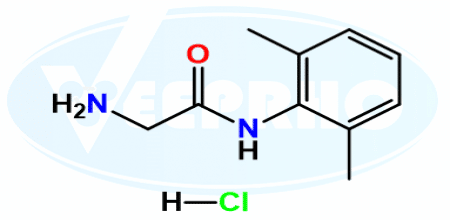 | Lidocaine GlycinexylidideVL1040021 · En stock |
| Lidocaine Impurity 2N.º CAS 1596965-85-3 · VE0016051 · En stock | |
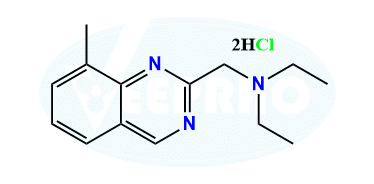 | Lidocaine Impurity 3 (2HCl Salt)VE0016052 · En stock |
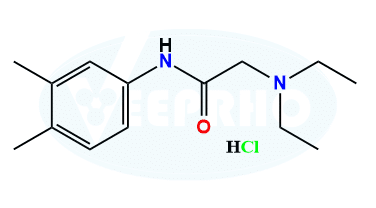 | Lidocaine Impurity 6 (HCl Salt)N.º CAS 857170-05-9 · VE0016056 · En stock |
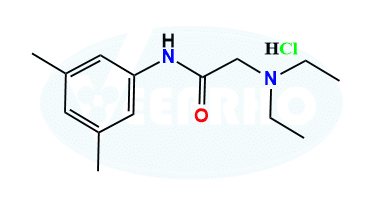 | Lidocaine Impurity 7 (HCl Salt)N.º CAS 77966-82-6 · VE0016061 · En stock |
| Lidocaine Impurity 11N.º CAS 112843-97-7 · VE0018687 · En stock | |
| Lidocaine N-Ethyl BromideN.º CAS 24003-58-5 · VL1040017 · En stock | |
| Lidocaine N-Ethyl ChlorideN.º CAS 5369-03-9 · VL1040018 · En stock | |
 | N-(2-((2,6-dimethylphenyl)amino)-2-oxoethyl)-N,N-diethyl-O-sulfohydroxylammoniumVE008439 · En stock |
| n-Dichloroacetyl-2,6-xylidineN.º CAS 39084-88-3 · VL1040024 · En stock | |
| N-ethyl-N-((8-methylquinazolin-2-yl)methyl)ethanamineVE0023717 · En stock | |
| N-Nitroso LidocaineVE0024811 | |
| N-Nitroso Lidocaine EP Impurity CN.º CAS 86756-31-2 · VE0025007 · En stock | |
| N-Nitroso Lidocaine EP Impurity DN.º CAS 3033377-17-9 · VE0017293 · En stock | |
| N-Nitroso Lidocaine EP Impurity EVE0017294 · En stock | |
| N-Nitroso Lidocaine EP Impurity GVE0017297 · En stock | |
| N-Nitroso Lidocaine Impurity 1VE007838 · En stock | |
| N2-Desethyl Lidocaine EP Impurity IN.º CAS 741638-04-0 · VE0025012 · En stock | |
| N2-Nitroso-N2-Desethyl Lidocaine EP Impurity IVE0025008 · En stock | |
| Ropivacaine Related Compound A (HCl salt)N.º CAS 21436-98-6 · VE006435 · En stock | |
| 2-((2,6-dimethylphenyl)amino)-2-oxoacetic acidN.º CAS 2903-48-2 · VL1040022 · En stock | |
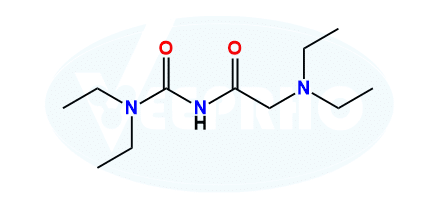 | 2-(diethylamino)-N-(diethylcarbamoyl)acetamideVE0016049 · En stock |
| 3′-Hydroxy LidocaineN.º CAS 34604-55-2 · VE0016053 · En stock |
Lidocaine Related Compound
During the production and storage of lidocaine, impurities may form that can affect the drug’s safety and efficacy. Regulatory agencies like the U.S. Food and Drug Administration (FDA) and the European Medicines Agency (EMA) provide strict guidelines to ensure that acceptable impurity levels are maintained to safeguard patient health.
Preguntas frecuentes
During the production and storage of lidocaine, impurities may form that can affect the drug’s safety and efficacy. Regulatory agencies like the U.S. Food and Drug Administration (FDA) and the European Medicines Agency (EMA) provide strict guidelines to ensure that acceptable impurity levels are maintained to safeguard patient health.
When applied topically or injected, lidocaine starts working within 2 to 5 minutes, providing rapid numbing of the affected area. The duration of the effect typically lasts between 30 minutes to several hours, depending on the dosage and method of application.
Is lidocaine hazardous?
Lidocaine is generally considered safe when used according to medical guidelines. However, overuse, particularly in large areas or at high doses, can lead to serious side effects such as dizziness, blurred vision, numbness, or more severe effects like seizures and cardiac arrhythmias. It is important to follow prescribed dosages and consult with a healthcare provider, especially for intravenous administration or long-term use.
How to take lidocaine?
Lidocaine can be administered in several ways: Topically: Applied as a cream, gel, or patch for localized pain relief from minor injuries, burns, or insect bites. Injection or IV: Administered intravenously or as an injection in medical settings to treat arrhythmias or during surgical procedures to provide local anesthesia. It is important to follow your healthcare provider’s instructions on how to use lidocaine safely, and it is generally recommended to apply or take it with guidance from a medical professional.
Does lidocaine make you tired?
While lidocaine is not typically known to cause fatigue when used topically, it can sometimes lead to drowsiness or lightheadedness if it enters the bloodstream in high amounts, especially when administered intravenously or used in large quantities. If you experience unusual fatigue after using lidocaine, you should consult a healthcare provider.