
Impurezas de Ropivacaine
Solicitar cotización de un conjunto
- Solicitar cotización de este conjunto
Todas las impurezas EP de Ropivacaine
8 productosVer los 8 productos
- Lidocaine EP Impurity A VL1040001
CAS 87-62-7 - Ropivacaine EP Impurity B VE0020045
CAS 27262-40-4 - Ropivacaine EP Impurity C VE0018304
CAS 24358-84-7 - Ropivacaine EP Impurity D VE0018333
CAS 98626-59-6 - Ropivacaine EP Impurity E VE0018019
CAS 265120-58-9 - Ropivacaine EP Impurity G VE009399
CAS 112773-90-7 - Ropivacaine EP Impurity G Hydrochloride Monohydrate VE0028824
CAS 3081822-32-1 - Ropivacaine Related Compound A (HCl salt) VE006435
CAS 21436-98-6
- Lidocaine EP Impurity A VL1040001
- Solicitar cotización de este conjunto
Todas las impurezas USP de Ropivacaine
4 productosVer los 4 productos
- Lidocaine EP Impurity A VL1040001
CAS 87-62-7 - Ropivacaine EP Impurity G VE009399
CAS 112773-90-7 - Ropivacaine EP Impurity G Hydrochloride Monohydrate VE0028824
CAS 3081822-32-1 - Ropivacaine Related Compound A (HCl salt) VE006435
CAS 21436-98-6
- Lidocaine EP Impurity A VL1040001
- Solicitar cotización de este conjunto
Todas las impurezas de nitrosaminas de Ropivacaine
2 productosVer los 2 productos
- N-Nitroso Ropivacaine VE0014753
- N-Nitroso-2,6-Pipecoloxilidide VE0016754
CAS 3035512-94-5




1–11 de 11 resultados10 en stock
| Estructura | Nombre del producto |
|---|---|
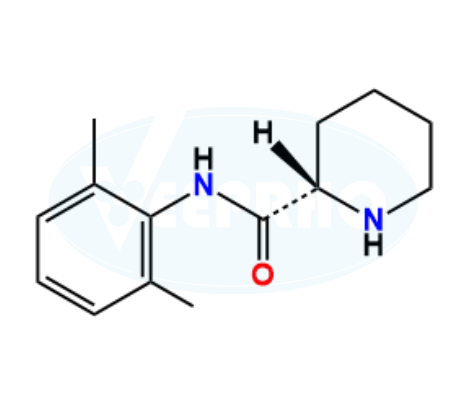
| Lidocaine EP Impurity AN.º CAS 87-62-7 · VL1040001 · En stock | |
| N-Nitroso RopivacaineVE0014753 | |
| N-Nitroso-2,6-PipecoloxilidideN.º CAS 3035512-94-5 · VE0016754 · En stock | |
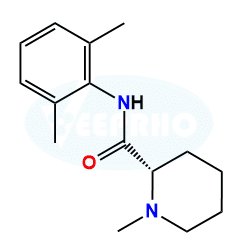
| Ropivacaine EP Impurity BN.º CAS 27262-40-4 · VE0020045 · En stock | |
| Ropivacaine EP Impurity CN.º CAS 24358-84-7 · VE0018304 · En stock | |
| Ropivacaine EP Impurity DN.º CAS 98626-59-6 · VE0018333 · En stock | |
| Ropivacaine EP Impurity EN.º CAS 265120-58-9 · VE0018019 · En stock | |
| Ropivacaine EP Impurity GN.º CAS 112773-90-7 · VE009399 · En stock | |
| Ropivacaine EP Impurity G Hydrochloride MonohydrateN.º CAS 3081822-32-1 · VE0028824 · En stock | |
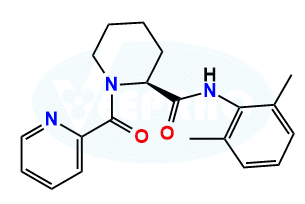 | Ropivacaine Impurity 11VE0017825 · En stock |
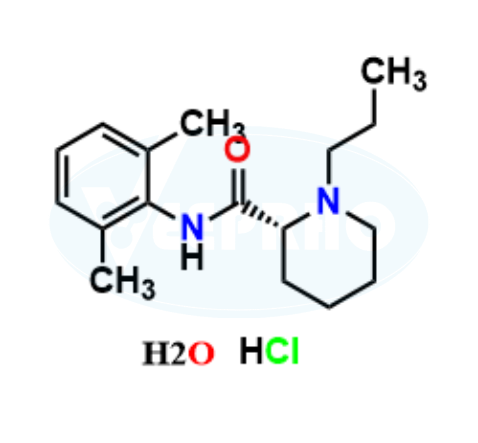
| Ropivacaine Related Compound A (HCl salt)N.º CAS 21436-98-6 · VE006435 · En stock |
Ropivacaine Related Compound
As with all pharmaceutical products, impurities may develop in ropivacaine during its manufacturing, storage, or handling. Regulatory authorities like the U.S. FDA and EMA enforce stringent guidelines to monitor and control these impurities to ensure the medication’s safety, efficacy, and quality.
Types of Impurities in Ropivacaine
Related Substances These are chemically related compounds or byproducts that may form during the synthesis of ropivacaine. Monitoring related substances ensures the drug’s purity and therapeutic effectiveness. Degradation Products Ropivacaine may degrade over time due to environmental factors such as light, heat, or moisture. Proper storage conditions are critical to prevent the formation of degradation products that could compromise the drug’s stability. Residual Solvents Trace amounts of solvents used during the manufacturing process may remain in the final product. Regulatory standards ensure these solvents are within permissible limits to minimize risks to patients. Analytical Techniques for Monitoring Impurities Techniques such as High-Performance Liquid Chromatography (HPLC) and Mass Spectrometry (LC-MS) are commonly used to detect and quantify impurities, ensuring ropivacaine meets stringent safety and quality standards.
Preguntas frecuentes
What is the drug ropivacaine used for?
Ropivacaine is used to induce numbness or loss of sensation before and during surgery, labor, or delivery. It is also used for pain management, particularly in postoperative settings, via nerve blocks or epidural administration.
Is ropivacaine safe?
Yes, ropivacaine is generally considered safe when administered by a trained healthcare provider. Its safety profile includes a lower risk of systemic toxicity compared to similar local anesthetics, although side effects such as hypotension, nausea, or bradycardia may occur.
How long does a ropivacaine last?
The effects of ropivacaine typically last 2 to 6 hours , depending on the dose, method of administration, and the specific procedure. In some cases, its duration may extend to 12 hours when used for pain management.
Is ropivacaine the same as lidocaine?
No, ropivacaine and lidocaine are different local anesthetics. Ropivacaine has a longer duration of action and a lower risk of toxicity compared to lidocaine, making it suitable for longer procedures and pain management. Lidocaine, on the other hand, acts faster and is often used for shorter, less complex procedures.