

Betaxolol EP Impurity A (HCl Salt)
Parent: Betaxolol
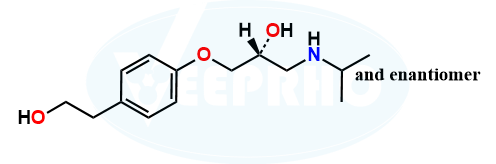
Betaxolol EP Impurity B (Free Base)
Parent: Betaxolol / Metoprolol

Betaxolol EP Impurity B (Free Base)
Parent: Betaxolol/ Metoprolol
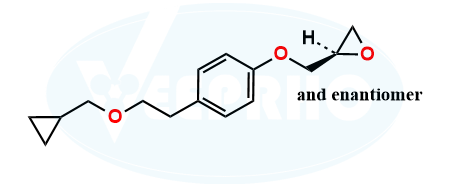

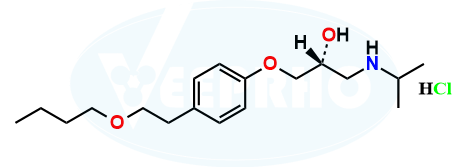

Betaxolol for Peak Identification CRS (Y0001360)
Parent: Betaxolol

Betaxolol Hydrochloride Working Standard (Secondary Reference Standard)
Parent: Betaxolol Hydrochloride

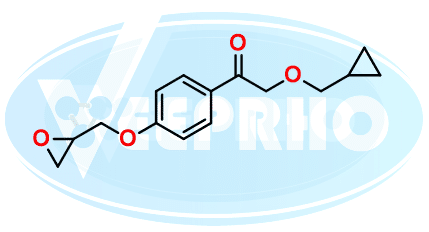
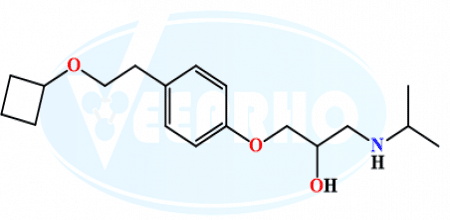

![1-[4-(2-Cyclobutoxyethyl)phenoxy]-3-(isopropylamino)propan-2-ol Hydrochloride](https://veeprho.com/wp-content/uploads/2024/11/VE0022370-1-4-2-Cyclobutoxyethyl-phenoxy-3-isopropylamino-propan-2-ol-Hydrochloride.png "1-[4-(2-Cyclobutoxyethyl)phenoxy]-3-(isopropylamino)propan-2-ol Hydrochloride")
1-[4-(2-Cyclobutoxyethyl)phenoxy]-3-(isopropylamino)propan-2-ol Hydrochloride
Parent: Betaxolol
Betaxolol Related Compound
Impurities in betaxolol can result from chemical synthesis, involving aryl and ethanolamine derivatives, as well as from degradation during formulation or storage. As it is used both orally and ophthalmically, impurity levels must comply with ICH Q3A/B and USP/EP standards.
Types of Impurities in Betaxolol
Process-Related Impurities
- Unreacted starting materials such as aryl ketones or epichlorohydrin derivatives
- By-products from etherification or amine derivatization
- Residual solvents like methanol, isopropanol, or dichloromethane
Degradation Impurities
- Hydrolysis of the ether or amide linkage
- Oxidation products of the secondary alcohol group
- Impurities formed under acidic or basic conditions, especially in eye drop formulations
Elemental Impurities
- Trace metals (e.g., iron, copper, or zinc) from manufacturing equipment
- Must comply with ICH Q3D guidelines for both systemic and ophthalmic administration
Analytical Techniques for Impurity Detection
- High-Performance Liquid Chromatography (HPLC) – for related substances and purity profile
- LC-MS (Liquid Chromatography–Mass Spectrometry) – for unknown or trace impurity identification
- Gas Chromatography (GC) – for quantifying residual solvents
- ICP-MS – for elemental impurities
- UV-Vis Spectroscopy – for stability and assay support
FAQ
Betaxolol is used to treat high blood pressure and to lower intraocular pressure in patients with open-angle glaucoma or ocular hypertension.
It blocks β₁-adrenergic receptors, reducing heart rate and cardiac output (systemic use) or decreasing aqueous humor production in the eye (ophthalmic use).
- Fatigue or dizziness (oral use)
- Bradycardia
- Eye irritation or blurred vision (ophthalmic use)
- Rare: Bronchospasm, though less likely than with non-selective beta-blockers
Betaxolol is β₁-selective, so it has less bronchoconstrictive effect than non-selective beta-blockers, but caution is still advised in asthma patients.
It is generally stable under standard storage conditions but may degrade under strong light, heat, or pH extremes. Ophthalmic solutions should be used within their shelf life and stored properly.