
Bis-Nitroso Levofloxacin EP Impurity G
Parent: Levofloxacin

Levofloxacin 9-piperazino Isomer
Parent: Levofloxacin


Levofloxacin Diamine Impurity
Parent: Levofloxacin

Levofloxacin Diformyl Impurity
Parent: Levofloxacin

Levofloxacin EP Impurity A
Parent: Levofloxacin/ Ofloxacin

Levofloxacin EP Impurity B (Free base)
Parent: Levofloxacin
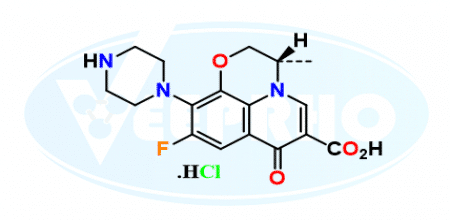
Levofloxacin EP Impurity B (HCl salt)
Parent: Levofloxacin
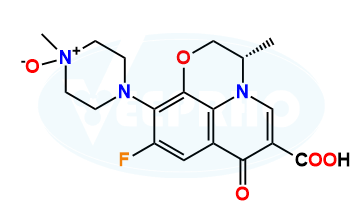


Levofloxacin for system suitability CRS (Y0002089)
Parent: Levofloxacin
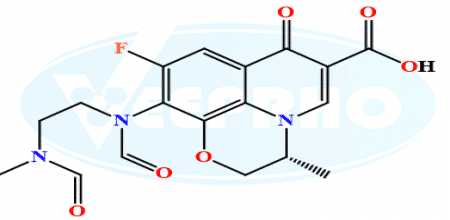

Levofloxacin Hemihydrate Working Standard (Secondary Reference Standard)
Parent: Levofloxacin Hemihydrate


Levofloxacin Impurity 13 (HCl Salt)
Parent: Levofloxacin


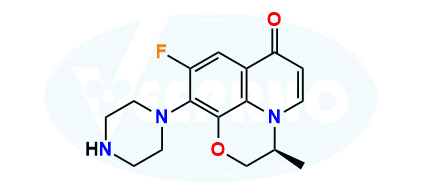
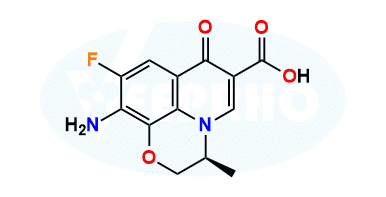


Levofloxacin Impurity F CRS (Y0002084)
Parent: Levofloxacin


Levofloxacin Reference Standard
Parent: Levofloxacin

Levofloxacin Related Compound E
Parent: Levofloxacin


N-Nitroso Levofloxacin EP Impurity G (Isomer-1)
Parent: Levofloxacin

N-Nitroso Levofloxacin EP Impurity G (Isomer-2)
Parent: Levofloxacin

N-Nitroso-Levofloxacin Impurity-1
Parent: Levofloxacin


9-fluoro-2,3-dihydro-3-methyl-10-(N-nitroso-2-aminoethyl)-7-oxo-7H-pyrido[1,2,3-de]-1,4-benzoxazine-6-carboxylic acid
Parent: Levofloxacin
Levofloxacin Related Compound
Like other antibiotics, levofloxacin may develop impurities during manufacturing and storage. These impurities must be carefully controlled to ensure the medication’s safety, quality, and efficacy. Regulatory bodies such as the U.S. FDA and EMA provide strict guidelines for acceptable impurity levels.
Types of Impurities in Levofloxacin
Related Substances
These are structurally similar compounds or byproducts formed during the synthesis of levofloxacin. Monitoring related substances ensures the drug’s purity and effectiveness.
Degradation Products
Levofloxacin can degrade over time due to factors such as heat, light, or moisture exposure. Degradation products can affect the medication’s stability and therapeutic efficacy, requiring proper storage conditions.
Residual Solvents
Trace amounts of solvents used during the manufacturing process may remain in the final product. Regulatory standards ensure these residual solvents are within safe limits to minimize potential health risks.
Analytical Techniques for Monitoring Impurities
Techniques like High-Performance Liquid Chromatography (HPLC) and Mass Spectrometry (LC-MS) are used to detect and quantify impurities, ensuring levofloxacin meets stringent safety and quality standards.
FAQ
Avoid taking levofloxacin with antacids, multivitamins, or supplements containing magnesium, calcium, iron, or zinc, as these can interfere with the absorption of the antibiotic. Additionally, avoid using NSAIDs (nonsteroidal anti-inflammatory drugs) as they may increase the risk of central nervous system side effects like seizures.
Levofloxacin can be taken at any time of the day, but it is best to take it at the same time every day for consistent blood levels. Follow your doctor’s instructions regarding timing, and avoid taking it with dairy products, which can reduce its absorption.
After taking levofloxacin, drink plenty of water to help prevent crystal formation in the urine. Avoid excessive exposure to sunlight or artificial UV rays, as levofloxacin can increase your sensitivity to sunlight, leading to sunburn or skin reactions.
The most common side effects of levofloxacin include nausea, diarrhea, and headache. In rare cases, it may cause more serious side effects like tendon rupture, nerve damage, or mood changes. If you experience severe or persistent symptoms, contact your healthcare provider immediately.