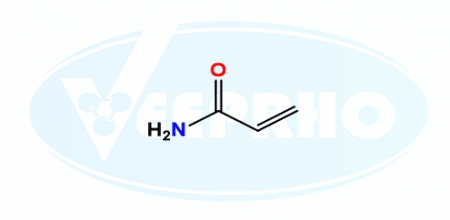
Acrylic acid (CAS 79-10-7) is an organic molecule and the simplest of the unsaturated acids. At room temperature, it is a liquid with a characteristic acidic and tart aroma. Acrylic acid is primarily used in the formation of polymers, which are further utilized in adhesives, coatings, textiles, and personal care products. It is corrosive in both liquid and vapor forms, requiring careful handling and storage.

Parent: Acrylic Acid

Parent: Acrylic Acid

Parent: Acrylic Acid
During the production and storage of Acrylic Acid, related compounds and impurities may form, which must be controlled to ensure its safety and quality for industrial applications. Regulatory guidelines specify acceptable impurity levels to ensure compliance with safety and performance standards.
Key aspects of Acrylic Acid-related compounds and impurities include:
Advanced analytical methods, such as Gas Chromatography (GC) and High-Performance Liquid Chromatography (HPLC), are used to detect and quantify Acrylic Acid-related compounds and impurities, ensuring adherence to quality standards.
Acrylic acid is primarily used to produce polymers and resins, which are key components in adhesives, paints, coatings, textiles, and personal care products such as diapers and detergents.
Acrylic acid is corrosive and can cause irritation or burns upon contact with the skin. Proper protective equipment should be used when handling it to avoid exposure.
Acrylic acid is classified as a weak acid. While it is less strong than mineral acids like hydrochloric acid, its corrosive nature requires careful handling.
Acrylic acid is not inherently environmentally friendly, as its production and degradation can release pollutants. However, advances in manufacturing and recycling processes are being developed to reduce its environmental impact.