
Bromfenac不純物
42件中 1~42件39 在庫あり


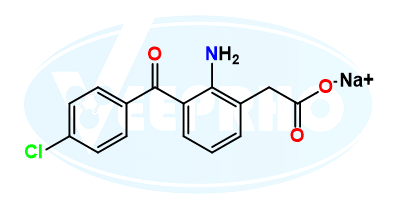


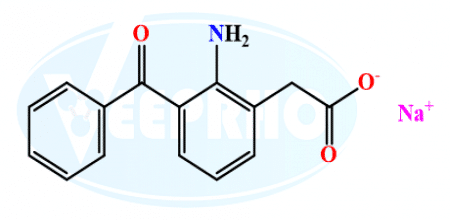


Bromfenac Related Compound
Impurities in bromfenac can arise due to synthesis, degradation, or formulation factors, potentially affecting the stability and efficacy of the drug.
Types of Impurities in Bromfenac
Related Substances These are structurally related compounds that can form during the manufacturing process. Controlling these impurities ensures the safety and effectiveness of the drug. Degradation Products Bromfenac may degrade when exposed to light, heat, or moisture, leading to byproducts that can alter its therapeutic activity. Proper storage in a cool, dry place is recommended. Residual Solvents Trace amounts of solvents used in the production process may remain in the formulation. These must be kept within regulatory limits to ensure patient safety. Analytical Techniques for Monitoring Impurities Techniques such as High-Performance Liquid Chromatography (HPLC) and Gas Chromatography-Mass Spectrometry (GC-MS) are commonly used to detect and quantify impurities in bromfenac formulations.
よくある質問
Does bromfenac have side effects?
Yes, common side effects include eye irritation, blurred vision, sensitivity to light, and mild eye discomfort . Rare but serious side effects may include eye infections, swelling, or allergic reactions .
Why was bromfenac removed from the market?
Oral bromfenac was withdrawn due to concerns over severe liver toxicity . However, its ophthalmic formulations remain available and are considered safe when used as directed .
When is bromfenac contraindicated?
Bromfenac is contraindicated in patients with known hypersensitivity to NSAIDs , those with a history of allergic reactions to aspirin , and in patients with bleeding disorders or severe ocular infections .
How long should you use bromfenac?
Bromfenac is typically prescribed for up to 14 days following eye surgery . However, usage duration should always be as directed by an ophthalmologist .