Allopurinol is a medication used to lower high blood uric acid levels. It is commonly prescribed to prevent gout, reduce the formation of kidney stones, and manage hyperuricemia caused by chemotherapy. Allopurinol works by inhibiting xanthine oxidase, an enzyme responsible for the production of uric acid. It is available in oral and intravenous (IV) formulations and is typically used for long-term management rather than acute gout attacks.

Parent: Allopurinol

Parent: Allopurinol

Parent: Allopurinol

Parent: Allopurinol

Parent: Allopurinol
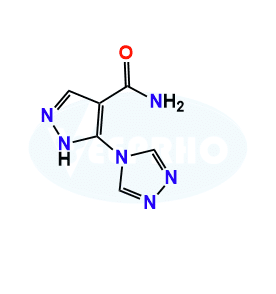
Parent: Allopurinol

Parent: Allopurinol
Parent: Allopurinol

Parent: Allopurinol

Parent: Allopurinol

Parent: Allopurinol

Parent: Allopurinol
Impurities in Allopurinol can arise due to chemical synthesis, degradation, or improper storage conditions. Regulatory agencies such as the FDA, EMA, and ICH enforce impurity limits to ensure drug safety and efficacy.
Process-Related Impurities
Degradation Impurities
Elemental Impurities
Analytical Techniques for Impurity Detection


