
Dexmedetomidine 불순물
세트 견적 요청
- 이 세트 견적 요청
Dexmedetomidine의 USP 불순물 전체
7개 제품7개 제품 보기
- Dexmedetomidine Impurity 2 VL520002
CAS 2250243-44-6 - Dexmedetomidine Impurity 3 VL520003
CAS 2250243-24-2 - Dexmedetomidine Impurity 4 VL520004
CAS 2250242-52-3 - Dexmedetomidine Impurity 5 VL520005
CAS 2250243-56-0 - Dexmedetomidine Ketone Impurity VL520008
CAS 91874-85-0 - Dexmedetomidine Related Compound B VE0017330
CAS 1021949-47-2 - Hydroxymedetomidine VL520001
CAS 86347-12-8
- Dexmedetomidine Impurity 2 VL520002
- 이 세트 견적 요청
Dexmedetomidine의 니트로사민 불순물 전체
2개 제품2개 제품 보기


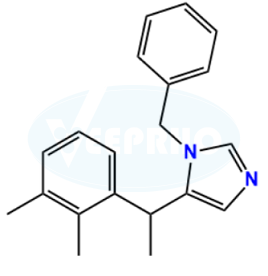
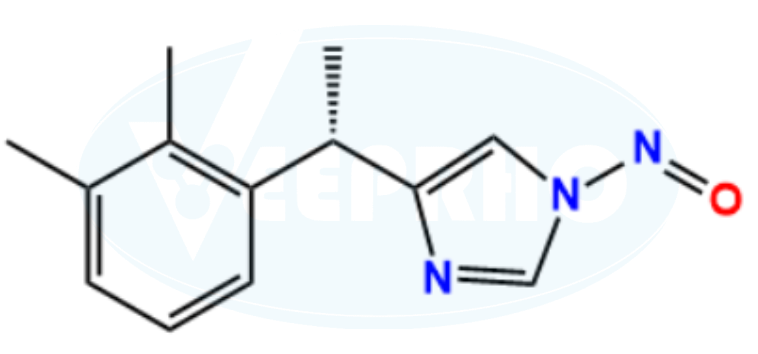
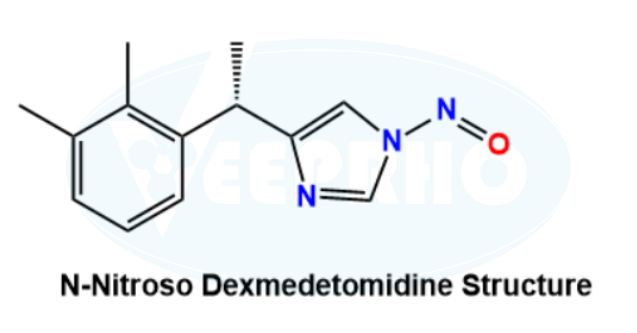
15개 중 1–1513 재고 있음
| 구조 | 제품명 |
|---|---|
| Dexmedetomidine Hydroxyphenyl Acetic AcidCAS 번호 156-38-7 · VL520011 · 재고 있음 | |
| Dexmedetomidine Impurity 2CAS 번호 2250243-44-6 · VL520002 · 재고 있음 | |
| Dexmedetomidine Impurity 3CAS 번호 2250243-24-2 · VL520003 · 재고 있음 | |
| Dexmedetomidine Impurity 4CAS 번호 2250242-52-3 · VL520004 · 재고 있음 | |
| Dexmedetomidine Impurity 5CAS 번호 2250243-56-0 · VL520005 · 재고 있음 | |
 | Dexmedetomidine Impurity 6VL520006 · 재고 있음 |
| Dexmedetomidine Ketone ImpurityCAS 번호 91874-85-0 · VL520008 · 재고 있음 | |
 | Dexmedetomidine Olefine ImpurityVL520009 · 재고 있음 |
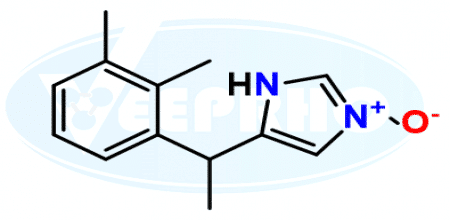 | Dexmedetomidine Oxide ImpurityVL520012 |
| Dexmedetomidine Related Compound BCAS 번호 1021949-47-2 · VE0017330 · 재고 있음 | |
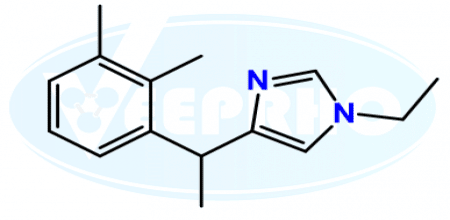 | Ethyl DexmedetomidineVL520013 · 재고 있음 |
| HydroxymedetomidineCAS 번호 86347-12-8 · VL520001 · 재고 있음 | |
| N-Nitroso DexmedetomidineVE0022566 | |
| (S)-4-(1-(2,3-dimethylphenyl)ethyl)-1H-imidazole-2(3H)-thioneCAS 번호 847829-38-3 · VE0017298 · 재고 있음 | |
| 3-Carboxy DetomidineCAS 번호 115664-39-6 · VE0020730 · 재고 있음 |
Dexmedetomidine Related Compound
During the manufacturing and storage of Dexmedetomidine, impurities may form, and these must be strictly controlled to ensure patient safety and drug efficacy. Regulatory authorities like the U.S. Food and Drug Administration (FDA) and the European Medicines Agency (EMA) set guidelines for acceptable levels of impurities to maintain the drug's quality.
자주 묻는 질문
Is dexmedetomidine an alpha-2 agonist?
Yes, Dexmedetomidine is a selective alpha-2 adrenergic agonist. It binds to alpha-2 receptors in the brain and spinal cord, reducing sympathetic nervous system activity. This leads to sedation, analgesia, and anxiolysis, making it an effective sedative in clinical settings.
Is dexmedetomidine the same as propofol?
No, Dexmedetomidine and Propofol are different drugs. While both are used for sedation, they have distinct mechanisms of action. Dexmedetomidine is an alpha-2 agonist and does not cause respiratory depression, while Propofol is a GABA receptor agonist, which induces deeper sedation and can depress respiratory function.
What is the mechanism of action of dexmedetomidine?
Dexmedetomidine works by selectively stimulating alpha-2 adrenergic receptors in the central nervous system. This reduces the release of norepinephrine and dampens the body’s "fight or flight" response, leading to sedation, pain relief, and reduced anxiety without significant respiratory depression.
Is PRECEDEX a sedative or paralytic?
Precedex (Dexmedetomidine) is a sedative, not a paralytic. It is used to provide sedation in patients without causing muscle paralysis. It is particularly valued for its ability to provide calm sedation while maintaining a patient’s ability to respond to stimuli and maintain their respiratory function.