
Aspirin Impurities
Request a quote for a set
- Request quote for this set
All EP impurities of Aspirin
7 productsSee the 7 products
- Acetylsalicylic Acid Impurity 14 VE0012390
CAS 606-45-1 - Acetylsalicylsalicylic Acid VL530003
CAS 530-75-6 - Aspirin EP Impurity B VL530005
CAS 636-46-4 - Aspirin EP Impurity C VL530006
CAS 69-72-7 - Aspirin EP Impurity E VL530004
CAS 552-94-3 - Aspirin EP Impurity F VL530002
CAS 1466-82-6 - 4-hydroxybenzoic acid VL530001
CAS 99-96-7
- Acetylsalicylic Acid Impurity 14 VE0012390
- Request quote for this set
All USP impurities of Aspirin
5 productsSee the 5 products
- Acetylsalicylsalicylic Acid VL530003
CAS 530-75-6 - Aspirin EP Impurity B VL530005
CAS 636-46-4 - Aspirin EP Impurity E VL530004
CAS 552-94-3 - Aspirin EP Impurity F VL530002
CAS 1466-82-6 - 4-hydroxybenzoic acid VL530001
CAS 99-96-7
- Acetylsalicylsalicylic Acid VL530003


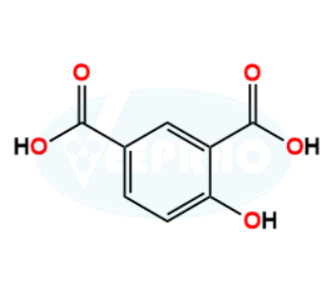
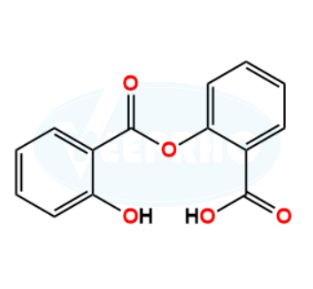
1–14 of 14 results14 in stock
| Structure | Product Name |
|---|---|
| Acetylsalicylic Acid Acyl-D-GlucuronideCAS No. 24719-72-0 · VE0012391 · In stock | |
| Acetylsalicylic Acid Impurity 2CAS No. 318515-20-7 · VE0012382 · In stock | |
| Acetylsalicylic Acid Impurity 3CAS No. 15540-79-1 · VE0012383 · In stock | |
| Acetylsalicylic Acid Impurity 6 (Sodium Salt)CAS No. 5026-62-0 · VE0012389 · In stock | |
| Acetylsalicylic Acid Impurity 14CAS No. 606-45-1 · VE0012390 · In stock | |
| Acetylsalicylsalicylic AcidCAS No. 530-75-6 · VL530003 · In stock | |
| Acetylsalicylsalicylsalicylic AcidCAS No. 85531-16-4 · VE0012381 · In stock | |
| Aspirin EP Impurity BCAS No. 636-46-4 · VL530005 · In stock | |
| Aspirin EP Impurity CCAS No. 69-72-7 · VL530006 · In stock | |
| Aspirin EP Impurity ECAS No. 552-94-3 · VL530004 · In stock | |
| Aspirin EP Impurity FCAS No. 1466-82-6 · VL530002 · In stock | |
| Hexanedioic Acid Mono-(2-carboxyphenyl) EsterCAS No. 863985-44-8 · VE0022466 · In stock | |
| Salicylic Acid Phenolic beta-D-GlucuronideCAS No. 7695-70-7 · VE0012388 · In stock | |
| 4-hydroxybenzoic acidCAS No. 99-96-7 · VL530001 · In stock |
Aspirin Related Compound
During the production and storage of Aspirin, related compounds and impurities may form, which must be controlled to ensure the drug’s safety and efficacy. Regulatory authorities, such as the U.S. Food and Drug Administration (FDA), set strict guidelines on permissible impurity levels in Aspirin formulations. Key aspects of Aspirin-related compounds and impurities include:
- Related Substances: These are chemically similar compounds that may form during the synthesis of Aspirin, such as salicylic acid. Monitoring these related substances is essential to maintain the medication’s safety and effectiveness.
- Degradation Products: Aspirin may degrade over time due to exposure to moisture, heat, or improper storage. Degradation products, such as acetic acid and salicylic acid, can impact the drug’s potency and safety.
- Residual Solvents: Trace amounts of solvents used in manufacturing may remain in the final product. Regulatory standards specify acceptable limits to ensure these solvents do not pose health risks.
Advanced analytical techniques, such as High-Performance Liquid Chromatography (HPLC), are used to detect and quantify Aspirin-related compounds and impurities, ensuring compliance with stringent safety and quality standards.
FAQ
What is the drug Aspirin used for?
Aspirin is used to relieve pain, reduce fever, and treat inflammation. It is also prescribed in low doses to prevent blood clots, reduce the risk of heart attacks and strokes, and manage certain cardiovascular conditions.
Is Aspirin just Ibuprofen?
No, Aspirin and Ibuprofen are different medications. While both are nonsteroidal anti-inflammatory drugs (NSAIDs), Aspirin is a salicylate that also has antiplatelet properties, making it effective in preventing blood clots. Ibuprofen does not have the same blood-thinning effects.
What does Aspirin do to the body?
Aspirin reduces the production of prostaglandins, natural substances in the body responsible for causing pain, inflammation, and fever. It also inhibits platelets from clumping together, which helps prevent blood clots.
Is Aspirin the same as Tylenol?
No, Aspirin and Tylenol (acetaminophen) are different medications. Aspirin is an NSAID that reduces pain, inflammation, fever, and prevents blood clots. Tylenol, on the other hand, primarily reduces pain and fever without anti-inflammatory or antiplatelet effects.