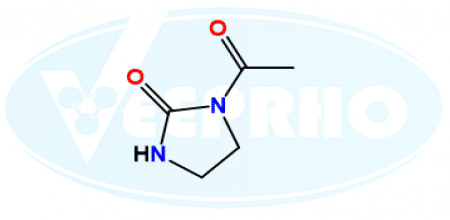
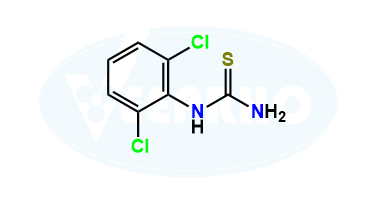
Clonidine is a centrally acting alpha-2 adrenergic agonist used to treat a variety of conditions including:
∙ High blood pressure (hypertension)
∙ Attention-deficit hyperactivity disorder (ADHD)
∙ Withdrawal symptoms (from opioids, alcohol, or nicotine)
∙ Hot flashes associated with menopause
∙ Certain pain conditions, especially in combination therapies
Clonidine works by stimulating alpha-2 receptors in the brain, which decreases sympathetic outflow from the central nervous system, resulting in lower heart rate and blood pressure.
It is available in oral tablets, transdermal patches, and injectable forms, depending on the indication.

Parent: Clonidine
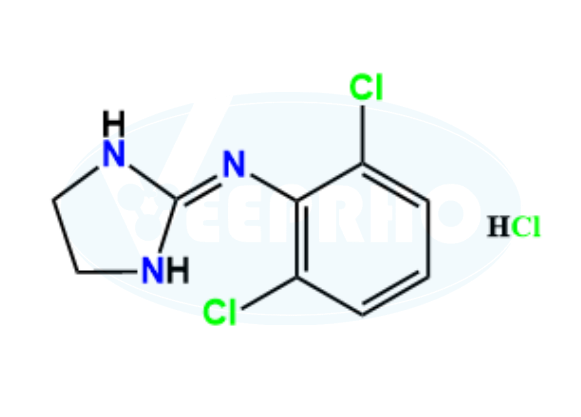
Parent: Clonidine Hydrochloride / Clonidine

Parent: Clonidine
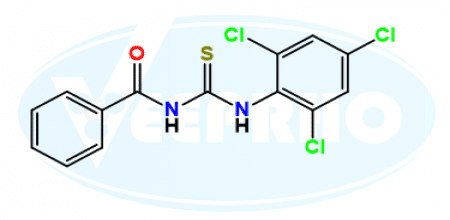
Parent: Clonidine

Parent: Clonidine

Parent: Clonidine

Parent: Clonidine
Impurities in clonidine may arise from synthetic steps, storage degradation, or formulation processes, and are controlled in accordance with ICH Q3A/B guidelines and pharmacopeial specifications.
Process-Related Impurities
Degradation Impurities
Elemental Impurities
Analytical Techniques for Impurity Detection
Clonidine is used to treat:
Clonidine works by stimulating alpha-2 receptors in the brain, reducing sympathetic nervous system activity. This results in:
Yes, clonidine is commonly prescribed for ADHD in children, usually in extended-release tablet form. Dosage is carefully adjusted based on weight and response.