
Glimepiride Impurities
Request a quote for a set
- Request quote for this set
All EP impurities of Glimepiride
10 productsSee the 10 products
- Glimepiride EP Impurity A VL71001
CAS 684286-46-2 - Glimepiride EP Impurity B VL71002
CAS 119018-29-0 - Glimepiride EP Impurity C VL71003
CAS 119018-30-3 - Glimepiride EP Impurity D VL71004
CAS 791104-62-6 - Glimepiride EP Impurity E VL71005
CAS 2366968-77-4 - Glimepiride EP Impurity F VL71006
CAS 2731586-74-4 - Glimepiride EP Impurity G VL71007
- Glimepiride EP Impurity H VL71008
CAS 2724503-28-8 - Glimepiride EP Impurity I VL71010
CAS 878480-70-7 - Glimepiride EP Impurity J VL71009
CAS 41176-98-1
- Glimepiride EP Impurity A VL71001
- Request quote for this set
All USP impurities of Glimepiride
5 productsSee the 5 products
- Glimepiride EP Impurity A VL71001
CAS 684286-46-2 - Glimepiride EP Impurity B VL71002
CAS 119018-29-0 - Glimepiride EP Impurity C VL71003
CAS 119018-30-3 - Glimepiride EP Impurity D VL71004
CAS 791104-62-6 - Glimepiride EP Impurity F VL71006
CAS 2731586-74-4
- Glimepiride EP Impurity A VL71001

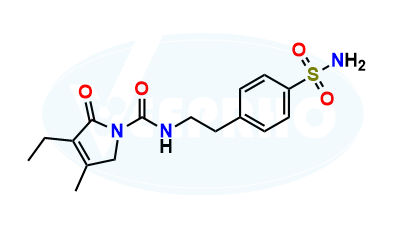
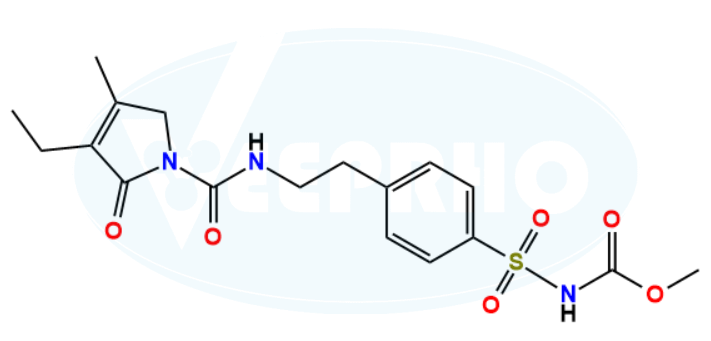
1–20 of 20 results20 in stock
| Structure | Product Name |
|---|---|
| Chlorosulfonic acidCAS No. 7790-94-5 · VL71012 · In stock | |
| cis-4-Methylcyclohexylamine (HCl Salt)CAS No. 33483-66-8 · VE0022878 · In stock | |
| Glimepiride EP Impurity ACAS No. 684286-46-2 · VL71001 · In stock | |
| Glimepiride EP Impurity BCAS No. 119018-29-0 · VL71002 · In stock | |
| Glimepiride EP Impurity CCAS No. 119018-30-3 · VL71003 · In stock | |
| Glimepiride EP Impurity DCAS No. 791104-62-6 · VL71004 · In stock | |
| Glimepiride EP Impurity ECAS No. 2366968-77-4 · VL71005 · In stock | |
| Glimepiride EP Impurity FCAS No. 2731586-74-4 · VL71006 · In stock | |
| Glimepiride EP Impurity GVL71007 · In stock | |
| Glimepiride EP Impurity HCAS No. 2724503-28-8 · VL71008 · In stock | |
| Glimepiride EP Impurity ICAS No. 878480-70-7 · VL71010 · In stock | |
| Glimepiride EP Impurity JCAS No. 41176-98-1 · VL71009 · In stock | |
| Glimepiride Ethyl Ester ImpurityCAS No. 318515-70-7 · VE0019018 · In stock | |
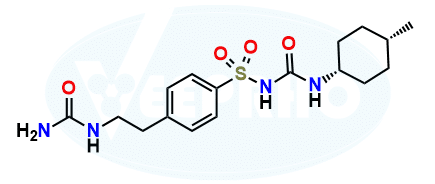 | Glimepiride Impurity 1VE0018243 · In stock |
| Glimepiride Impurity 2CAS No. 41176-69-6 · VE0018244 · In stock | |
| Glimepiride Impurity 12CAS No. 766-36-9 · VE0029135 · In stock | |
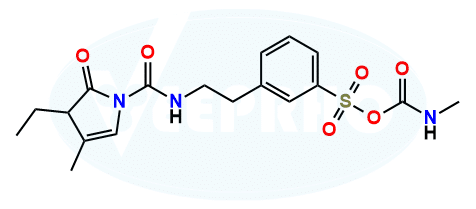 | Glimepiride meta-Ester ImpurityVE0018241 · In stock |
| Trans-4-methylcyclohexylisocyanateCAS No. 32175-00-1 · VL71011 · In stock | |
| Trans-Carboxylic Acid GlimepirideCAS No. 1217739-04-2 · VE0018245 · In stock | |
| Trans-Hydroxy GlimepirideCAS No. 600177-94-4 · VE006433 · In stock |
Glimepiride Related Compound
Impurities in Glimepiride may arise during synthesis, storage, or formulation processes. Regulatory bodies such as the FDA, EMA, and ICH require strict control of impurities to ensure drug quality and patient safety.
Types of Impurities in Glimepiride
Process-Related Impurities • Unreacted raw materials used in synthesis • Residual solvents (e.g., methanol, dichloromethane) • Synthetic by-products from sulfonylurea ring formation Degradation Impurities • Hydrolytic degradation products under humid conditions • Oxidation products due to exposure to air or light • Thermal degradation compounds at elevated storage temperatures Elemental Impurities • Heavy metals such as lead, mercury, arsenic, and cadmium from catalysts or manufacturing equipment Analytical Techniques for Impurity Detection • High-Performance Liquid Chromatography (HPLC) • Gas Chromatography (GC) • Fourier-Transform Infrared Spectroscopy (FT-IR) • Mass Spectrometry (MS)
FAQ
What to avoid when taking Glimepiride?
Avoid the following while on Glimepiride: • Alcohol – Can increase the risk of hypoglycemia or cause a disulfiram-like reaction. • Other antidiabetic drugs – Combining Glimepiride with insulin or other sulfonylureas can lead to severe low blood sugar. • Skipping meals – May cause hypoglycemia since Glimepiride stimulates insulin regardless of food intake. • Grapefruit juice or herbal supplements – May alter drug metabolism and increase side effects.
Why is Glimepiride a high-risk medication?
Glimepiride is considered high-risk because of its potential to cause: • Severe hypoglycemia – Especially in elderly patients or those with irregular eating habits. • Weight gain – Common among sulfonylureas. • Long duration of action – Increases the risk of prolonged hypoglycemic episodes. • Delayed renal clearance – May accumulate in patients with kidney impairment, enhancing its effects and toxicity.
What to monitor with Glimepiride?
Patients on Glimepiride should have the following monitored: • Blood glucose levels (fasting and postprandial) – To assess effectiveness and avoid hypoglycemia • Hemoglobin A1c (HbA1c) – Every 3 months to evaluate long-term glucose control • Renal function (creatinine, eGFR) – Especially in elderly or those with pre-existing kidney conditions • Liver function tests – Occasionally, as rare hepatotoxicity may occur • Weight and diet adherence – To manage potential weight gain
What are the guidelines for Glimepiride?
• Start with a low dose (1–2 mg once daily), typically with breakfast. • Titrate gradually based on blood sugar levels; max dose is 8 mg/day. • Not recommended as first-line therapy; Metformin is preferred unless contraindicated. • Use with caution in: o Elderly patients (higher hypoglycemia risk) o Renal or hepatic impairment o Patients with irregular eating patterns or malnutrition • Educate patients on recognizing and treating hypoglycemia, including the use of glucose tablets or sugary snacks.