
Impurezas de Articaine
Solicitar cotação de um conjunto
- Solicitar cotação para este conjunto
Todas as impurezas EP de Articaine
12 produtosVer os 12 produtos
- Articaine EP Impurity A VE009448
CAS 1712677-79-6 - Articaine EP Impurity A (HCl Salt) VE0022338
CAS 2984442-47-7 - Articaine EP Impurity B (HCl Salt) VE0012359
- Articaine EP Impurity C (HCl Salt) VE0012360
- Articaine EP Impurity D (HCl Salt) VE0012361
- Articaine EP Impurity E VE009449
CAS 1796888-45-3 - Articaine EP Impurity E (HCl Salt) VE0022360
CAS 2983831-71-4 - Articaine EP Impurity F (HCl Salt) VE0012362
- Articaine EP Impurity G (HCl Salt) VE0012363
CAS 23964-59-2 - Articaine EP Impurity H (HCl Salt) VE0012364
CAS 2602451-77-2 - Articaine EP Impurity I VE0012365
CAS 85006-31-1 - Articaine EP Impurity J VE0012366
CAS 1160919-46-9
- Articaine EP Impurity A VE009448
- Solicitar cotação para este conjunto
Todas as impurezas USP de Articaine
6 produtosVer os 6 produtos
- Articaine EP Impurity A VE009448
CAS 1712677-79-6 - Articaine EP Impurity A (HCl Salt) VE0022338
CAS 2984442-47-7 - Articaine EP Impurity B (HCl Salt) VE0012359
- Articaine EP Impurity E VE009449
CAS 1796888-45-3 - Articaine EP Impurity E (HCl Salt) VE0022360
CAS 2983831-71-4 - Articaine Related Compound B VE0011260
CAS 114176-52-2
- Articaine EP Impurity A VE009448
- Solicitar cotação para este conjunto
Todas as impurezas de nitrosaminas de Articaine
4 produtosVer os 4 produtos
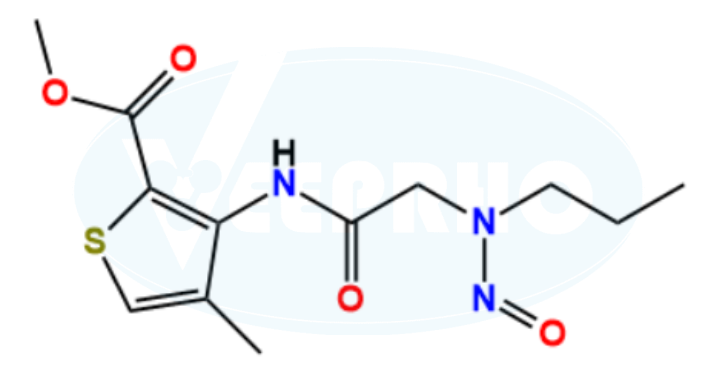
- N-Nitroso Articaine VE0010623
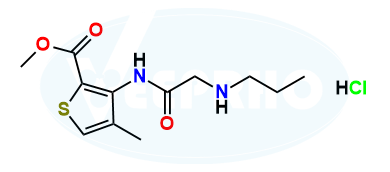
- N-Nitroso Articaine EP Impurity A VE0025786
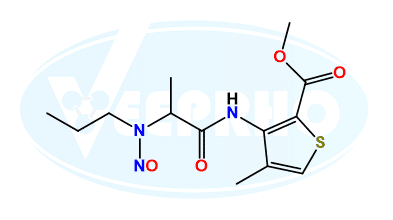
- N-Nitroso Articaine EP Impurity B VE0024327
- N2-Nitroso Articaine VE0013877


1–17 de 17 resultados17 em estoque
| Estrutura | Nome do produto |
|---|---|
| Articaine EP Impurity ANº CAS 1712677-79-6 · VE009448 · Em estoque | |
| Articaine EP Impurity A (HCl Salt)Nº CAS 2984442-47-7 · VE0022338 · Em estoque | |
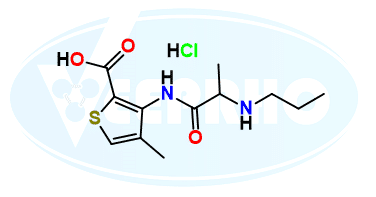 | Articaine EP Impurity B (HCl Salt)VE0012359 · Em estoque |
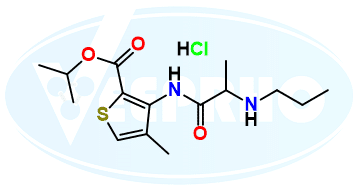 | Articaine EP Impurity C (HCl Salt)VE0012360 · Em estoque |
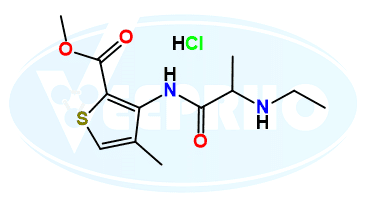 | Articaine EP Impurity D (HCl Salt)VE0012361 · Em estoque |
| Articaine EP Impurity ENº CAS 1796888-45-3 · VE009449 · Em estoque | |
| Articaine EP Impurity E (HCl Salt)Nº CAS 2983831-71-4 · VE0022360 · Em estoque | |
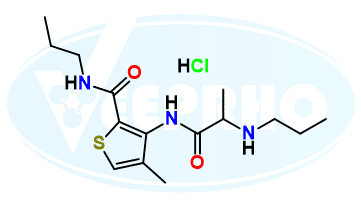 | Articaine EP Impurity F (HCl Salt)VE0012362 · Em estoque |
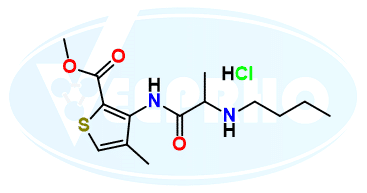 | Articaine EP Impurity G (HCl Salt)Nº CAS 23964-59-2 · VE0012363 · Em estoque |
| Articaine EP Impurity H (HCl Salt)Nº CAS 2602451-77-2 · VE0012364 · Em estoque | |
| Articaine EP Impurity INº CAS 85006-31-1 · VE0012365 · Em estoque | |
| Articaine EP Impurity JNº CAS 1160919-46-9 · VE0012366 · Em estoque | |
| Articaine Related Compound BNº CAS 114176-52-2 · VE0011260 · Em estoque | |
| N-Nitroso ArticaineVE0010623 · Em estoque | |
| N-Nitroso Articaine EP Impurity AVE0025786 · Em estoque | |
| N-Nitroso Articaine EP Impurity BVE0024327 · Em estoque | |
| N2-Nitroso ArticaineVE0013877 · Em estoque |
Articaine Impurities and Related Compound
It should be noted, however, that while Articaine is generally preferred for its superior potency and longevity, its manufacture and utilization can occasionally result in the development of certain impurities and related compounds. These usually form as a direct result of the metabolic processes to which Articaine is subjected within the human body. Typically, they include Articaine’s primary metabolite, articainic acid, and minor metabolite, norarticaine. The presence of these metabolites, particularly in the circulatory system, is usually indicative of the level of Articaine exposure and the efficiency of individual metabolic processes in breaking down the anesthetic compound.
Perguntas frequentes
What is the difference between lignocaine and articaine?
The primary distinction between lignocaine (also known as lidocaine) and articaine lies in their respective chemical structures and, consequently, their functionality. While both are classified as amide-type local anesthetics, articaine possesses a thiophene ring which avails increased lipid solubility and subsequent enhanced efficacy. Additionally, articaine has a built-in ester group that allows for rapid hydrolysis, reducing systemic toxicity.
What is the difference between lidocaine and articaine structure?
While both lidocaine and articaine are part of the amide group of local anesthetics, their structures vary significantly. Articaine features a thiophene ring, leading to its greater lipid solubility and longer duration of action. Lidocaine, on the other hand, lacks this thiophene ring.
What is articaine used for?
Articaine is most commonly used as a local anesthetic in dental procedures. Thanks to its high lipid solubility, it can penetrate mucous membranes more efficiently than other anesthetics, providing a more profound and longer-lasting numbing effect.
Is articaine an ester or amide?
Despite its unique structure that includes both a thiophene ring and an ester group, articaine is classified as an amide-type local anesthetic due to the presence of its amide linkage. This amide connection endows it with enhanced stability and resistance to rapid degradation.