
Impurezas de Atenolol
Solicitar cotação de um conjunto
- Solicitar cotação para este conjunto
Todas as impurezas EP de Atenolol
10 produtosVer os 10 produtos
- Atenolol Bis Ether Impurity VL500008
CAS 141650-31-9 - Atenolol EP Impurity A VL500004
CAS 17194-82-0 - Atenolol EP Impurity B VL500005
CAS 61698-76-8 - Atenolol EP Impurity C VL500006
CAS 29122-69-8 - Atenolol EP Impurity D VL500007
CAS 115538-83-5 - Atenolol EP Impurity F VL500003
CAS 87619-83-8 - Atenolol EP Impurity G VL500002
CAS 56392-14-4 - Atenolol EP Impurity G (Sodium Salt) VL500009
- Atenolol EP Impurity H VL500012
CAS 29277-73-4 - Atenolol EP Impurity I VL500010
CAS 1797116-92-7
- Atenolol Bis Ether Impurity VL500008
- Solicitar cotação para este conjunto
Todas as impurezas USP de Atenolol
8 produtosVer os 8 produtos
- Atenolol Bis Ether Impurity VL500008
CAS 141650-31-9 - Atenolol EP Impurity A VL500004
CAS 17194-82-0 - Atenolol EP Impurity B VL500005
CAS 61698-76-8 - Atenolol EP Impurity C VL500006
CAS 29122-69-8 - Atenolol EP Impurity D VL500007
CAS 115538-83-5 - Atenolol EP Impurity F VL500003
CAS 87619-83-8 - Atenolol EP Impurity G VL500002
CAS 56392-14-4 - Atenolol EP Impurity G (Sodium Salt) VL500009
- Atenolol Bis Ether Impurity VL500008
- Solicitar cotação para este conjunto
Todas as impurezas de nitrosaminas de Atenolol
7 produtosVer os 7 produtos
- N-Nitroso 2-Hydroxy Atenolol VE0027792
- N-Nitroso Atenolol VE007278
CAS 134720-04-0 - N-Nitroso Atenolol Impurity G VE0011712
- N-Nitroso Atenolol Impurity H VE0011713
- N-Nitroso Atenolol Impurity I VE0011714
- N-Nitroso Atenolol R-Isomer VE0027770
- N-Nitroso Atenolol S-Isomer VE0027796


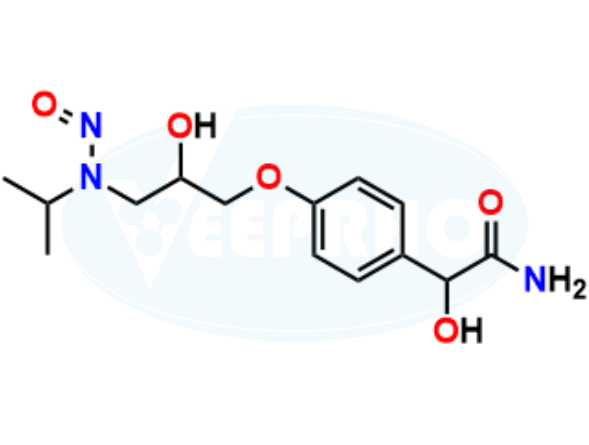
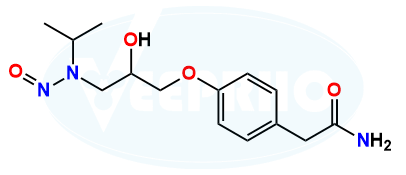

1–23 de 23 resultados19 em estoque
| Estrutura | Nome do produto |
|---|---|
| Atenolol Bis Ether ImpurityNº CAS 141650-31-9 · VL500008 · Em estoque | |
| Atenolol Cyano EpoxideNº CAS 35198-42-6 · VE006791 · Em estoque | |
| Atenolol EP Impurity ANº CAS 17194-82-0 · VL500004 · Em estoque | |
| Atenolol EP Impurity BNº CAS 61698-76-8 · VL500005 · Em estoque | |
| Atenolol EP Impurity CNº CAS 29122-69-8 · VL500006 · Em estoque | |
| Atenolol EP Impurity DNº CAS 115538-83-5 · VL500007 · Em estoque | |
| Atenolol EP Impurity FNº CAS 87619-83-8 · VL500003 · Em estoque | |
| Atenolol EP Impurity GNº CAS 56392-14-4 · VL500002 · Em estoque | |
| Atenolol EP Impurity G (Sodium Salt)VL500009 · Em estoque | |
| Atenolol EP Impurity HNº CAS 29277-73-4 · VL500012 · Em estoque | |
| Atenolol EP Impurity INº CAS 1797116-92-7 · VL500010 · Em estoque | |
| Atenolol EP Impurity JNº CAS 81346-71-6 · VL500011 · Em estoque | |
| Atenolol R-IsomerNº CAS 56715-13-0 · VE006790 · Em estoque | |
| Atenolol S-IsomerNº CAS 93379-54-5 · VE0027795 | |
| N-Nitroso 2-Hydroxy AtenololVE0027792 | |
| N-Nitroso AtenololNº CAS 134720-04-0 · VE007278 · Em estoque | |
| N-Nitroso Atenolol Impurity GVE0011712 · Em estoque | |
| N-Nitroso Atenolol Impurity HVE0011713 · Em estoque | |
| N-Nitroso Atenolol Impurity IVE0011714 · Em estoque | |
| N-Nitroso Atenolol R-IsomerVE0027770 | |
| N-Nitroso Atenolol S-IsomerVE0027796 | |
| 1-(p-Carbamoylmethylphenoxy)-2,3-epoxypropaneVE0010574 · Em estoque | |
| 2-Hydroxy AtenololNº CAS 68373-10-4 · VE0027790 · Em estoque |
Atenolol Related Compound
As with all pharmaceutical products, impurities may develop in atenolol during its manufacturing, storage, or handling processes. Regulatory agencies such as the U.S. FDA and EMA enforce strict guidelines to monitor and control impurities, ensuring the medication’s safety, efficacy, and quality. Types of Impurities in Atenolol Related Substances These are chemically related compounds or byproducts formed during the synthesis of atenolol. Monitoring related substances ensures the drug’s purity and therapeutic effectiveness. Degradation Products Atenolol may degrade over time due to exposure to environmental factors like light, heat, or humidity. Proper storage is essential to prevent the formation of degradation products that could compromise the medication’s stability and potency. Residual Solvents Trace amounts of solvents used in the manufacturing process may remain in the final product. Regulatory standards ensure these solvents are within permissible limits to minimize potential risks to patients. Analytical Techniques for Monitoring Impurities Techniques such as High-Performance Liquid Chromatography (HPLC) and Mass Spectrometry (LC-MS) are employed to detect and quantify impurities, ensuring atenolol meets stringent safety and quality standards.
Perguntas frequentes
What not to do when taking atenolol?
Avoid stopping atenolol abruptly, as this can lead to serious complications such as rebound high blood pressure, chest pain, or even heart attack. Limit the consumption of alcohol and avoid activities requiring full alertness, such as driving, if you experience dizziness or fatigue as side effects.
What should be monitored when taking atenolol?
When taking atenolol, monitor your blood pressure, heart rate, and any symptoms of dizziness, fatigue, or shortness of breath. Regular follow-ups with your doctor may also include kidney function tests, as atenolol is excreted by the kidneys and may require dose adjustments in patients with kidney issues.
Why is atenolol not recommended?
Atenolol is not widely recommended anymore for hypertension because studies suggest it does not significantly reduce mortality or cardiovascular events compared to other medications. It is still used in specific conditions, such as angina or irregular heart rhythms, where its benefits are more pronounced.
What is the disadvantage of atenolol?
The main disadvantages of atenolol include its limited effectiveness in improving overall mortality in hypertensive patients and potential side effects such as fatigue, dizziness, cold extremities, and reduced exercise tolerance. It may also cause bradycardia (slow heart rate) and worsen symptoms in individuals with asthma or peripheral vascular disease.