
Impurezas de Flecainide
Solicitar cotação de um conjunto
- Solicitar cotação para este conjunto
Todas as impurezas EP de Flecainide
6 produtosVer os 6 produtos
- Flecainide EP Impurity A VE0020929
- Flecainide EP Impurity A (HCl Salt) VL1140001
- Flecainide EP Impurity B VL1140002
CAS 22990-77-8 - Flecainide EP Impurity C VL1140003
CAS 152171-74-9 - Flecainide EP Impurity D VL1140004
CAS 35480-52-5 - Flecainide EP Impurity E VL1140005
CAS 57415-36-8
- Solicitar cotação para este conjunto
Todas as impurezas USP de Flecainide
2 produtosVer os 2 produtos
- Flecainide EP Impurity A VE0020929
- Flecainide EP Impurity A (HCl Salt) VL1140001
- Solicitar cotação para este conjunto
Todas as impurezas de nitrosaminas de Flecainide
5 produtosVer os 5 produtos
- Flecainide Di-Nitroso impurity VE0024030
- N-Nitroso Flecainide VE0014173
CAS 2901109-58-6 - N-Nitroso Flecainide EP Impurity B (HCl Salt) VE0022156
- (1-nitrosopiperidin-2-yl)methanol VE0023777
CAS 64605-07-8 - (1-nitrosopiperidin-4-yl)methanamine hydrochloride VE0023779


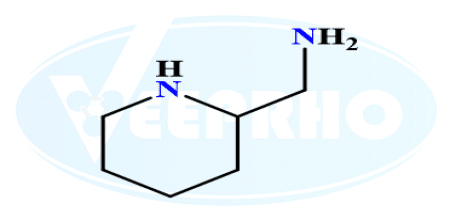
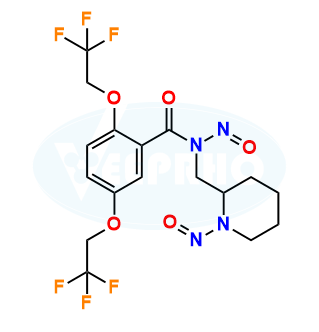

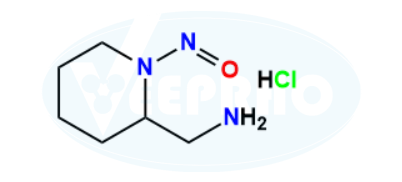
1–12 de 12 resultados12 em estoque
| Estrutura | Nome do produto |
|---|---|
| Flecainide Di-Nitroso impurityVE0024030 · Em estoque | |
| Flecainide EP Impurity AVE0020929 · Em estoque | |
| Flecainide EP Impurity A (HCl Salt)VL1140001 · Em estoque | |
| Flecainide EP Impurity BNº CAS 22990-77-8 · VL1140002 · Em estoque | |
| Flecainide EP Impurity CNº CAS 152171-74-9 · VL1140003 · Em estoque | |
| Flecainide EP Impurity DNº CAS 35480-52-5 · VL1140004 · Em estoque | |
| Flecainide EP Impurity ENº CAS 57415-36-8 · VL1140005 · Em estoque | |
| N-Nitroso FlecainideNº CAS 2901109-58-6 · VE0014173 · Em estoque | |
| N-Nitroso Flecainide EP Impurity B (HCl Salt)VE0022156 · Em estoque | |
| (1-nitrosopiperidin-2-yl)methanolNº CAS 64605-07-8 · VE0023777 · Em estoque | |
| (1-nitrosopiperidin-4-yl)methanamine hydrochlorideVE0023779 · Em estoque | |
| 1-[2,5-bis(2,2,2-trifluoroethoxy)phenyl]ethanoneNº CAS 76784-40-2 · VZA000061 · Em estoque |
Flecainide Related Compound
During the production and storage of Flecainide, related compounds and impurities may form, which must be carefully controlled to ensure the medication’s safety and efficacy. Regulatory guidelines outline acceptable impurity levels to maintain product quality. Key aspects of Flecainide-related compounds and impurities include:
- Related Substances: These are structurally similar compounds that may form during synthesis or degradation. Their control ensures the medication’s therapeutic effectiveness and safety.
- Degradation Products: Environmental factors such as heat, light, or moisture can lead to the degradation of Flecainide, affecting its stability and potency.
- Residual Solvents: Trace amounts of solvents from the manufacturing process may remain in the final product. Regulatory standards ensure these remain within acceptable limits.
Advanced analytical methods, such as High-Performance Liquid Chromatography (HPLC), are used to detect and quantify Flecainide-related compounds and impurities, ensuring compliance with stringent quality standards.
Perguntas frequentes
Why is Flecainide high risk?
Flecainide is considered high risk due to its potential to cause proarrhythmic effects, meaning it can sometimes worsen or trigger new arrhythmias. It is generally used only in patients with life-threatening arrhythmias under close medical supervision.
Is Flecainide a beta blocker or calcium channel blocker?
Flecainide is neither a beta blocker nor a calcium channel blocker. It is a class Ic antiarrhythmic drug that works by blocking sodium channels in the heart to stabilize cardiac rhythm.
What to avoid when taking Flecainide?
While taking Flecainide, avoid consuming grapefruit juice, as it can interfere with the drug’s metabolism. Additionally, avoid over-the-counter medications or supplements without consulting your doctor, as they may interact with Flecainide.
What does the drug Flecainide do?
Flecainide works by slowing electrical signals in the heart, helping to prevent and treat abnormally fast heart rhythms (arrhythmias). It is used for both ventricular and supraventricular tachycardias.