
Impurezas de Midodrine
Solicitar cotação de um conjunto
- Solicitar cotação para este conjunto
Todas as impurezas USP de Midodrine
3 produtosVer os 3 produtos
- Midodrine Related Compound A VL2870001
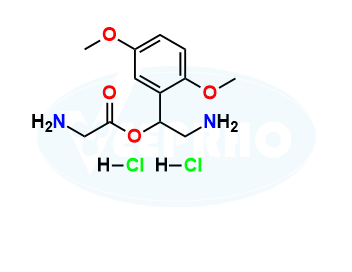
CAS 3600-87-1 - Midodrine Related Compound A (HCl Salt) VE0021722
CAS 60407-53-6 - Midodrine Related compound C VE0020163
- Midodrine Related Compound A VL2870001
- Solicitar cotação para este conjunto
Todas as impurezas de nitrosaminas de Midodrine
2 produtosVer os 2 produtos
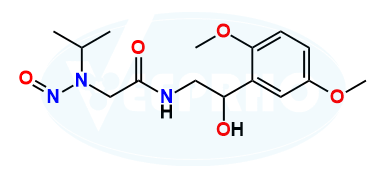
- N-Nitroso Midodrine Impurity VE0014312
- N-Nitroso Midodrine Impurity 1 VE0024793


1–26 de 26 resultados26 em estoque



Midodrine Impurities and Related Compound
Typical impurity and related compound control for midodrine API and finished products focuses on process-related impurities, degradation products and the active metabolite desglymidodrine. Common related substances that are monitored include desglymidodrine itself, minor N-dealkylation or de-esterification products, and trace residuals from synthetic intermediates such as substituted benzyl derivatives. Typical specification practice for midodrine APIs uses limits for individual known impurities in the low tenths of a percent range and a tighter limit for total impurities, for example individual specified impurities often not exceeding 0.1 to 0.5 percent and total impurities usually held below about 1.0 percent depending on the manufacturer and regulatory filin. Genotoxic or unidentified impurities are controlled to much lower levels consistent with ICH M7 and toxicological guidance, often to microgram per day thresholds. Identification and quantification are performed by validated HPLC with UV detection and by LC-MS for structural confirmation, and stability studies define impurity profiles under accelerated and long term conditions.
Perguntas frequentes
What is the mechanism of action of midodrine?
Midodrine is a prodrug converted to desglymidodrine, which is a selective alpha1-adrenergic receptor agonist. Activation of alpha1 receptors on arteriolar and venous smooth muscle produces vasoconstriction, increases peripheral vascular resistance and venous return, and thereby raises systemic blood pressure.
Is midodrine a high risk drug?
Midodrine is not typically classified as a high risk drug in the sense of having a very narrow therapeutic index, but it does have important safety considerations. The major risk is supine hypertension, and other adverse effects can include piloerection, paresthesia, urinary retention and pruritus. Because of these risks, it is prescription only and requires blood pressure monitoring and clinical oversight, especially in patients with cardiovascular disease, renal impairment or concurrent pressor agents.
Is there a generic for midodrine?
Yes, generic formulations of midodrine hydrochloride are available in many jurisdictions. The branded product ProAmatine is one known trade name, and equivalent generic APIs and tablet formulations are marketed subject to local regulatory approvals. Availability varies by country and supplier.
Is midodrine a vasoconstrictor?
Yes, midodrine exerts its therapeutic effect through its active metabolite desglymidodrine which is an alpha1-adrenergic agonist that causes vasoconstriction of arterioles and venous capacitance vessels, leading to increased blood pressure.