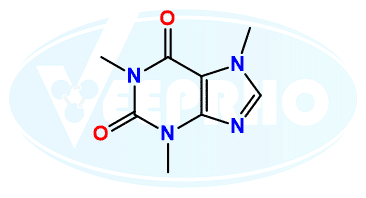
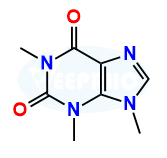
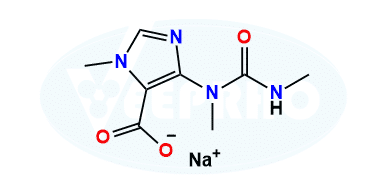
Caffeine is a central nervous system stimulant of the methylxanthine class and is the most widely consumed psychoactive substance globally. It is primarily used for its eugeroic (wakefulness-promoting), ergogenic (performance-enhancing), and nootropic (cognitive-enhancing) properties. Caffeine is found in various beverages like coffee, tea, energy drinks, and soft drinks, as well as in some medications used for pain relief, migraines, and weight loss. It works by blocking adenosine receptors in the brain, which increases alertness and reduces feelings of fatigue.

Parent: Caffeine / Pentoxifylline / Theophylline-Ethylenediamine

Parent: Caffeine

Parent: Caffeine

Parent: Caffeine

Parent: Theophylline/ Caffeine
In addition to natural impurities, synthetic caffeine production may involve controlling other impurities, such as residual solvents and degradation products.
Caffeine degrades when exposed to heat, light, oxygen, and moisture. This degradation leads to the breakdown of caffeine into compounds such as theophylline and paraxanthine. Storing caffeine in a cool, dry, and dark environment can reduce degradation.
Caffeine used in pharmaceutical or food-grade products typically has a purity of 98-100%. The purity level depends on the source and purification process, with pharmaceutical-grade caffeine adhering to stricter purity requirements than food-grade caffeine.
Caffeine is purified using recrystallization and extraction techniques. Caffeine is extracted from natural sources like coffee or tea using solvents, and further purification is achieved through recrystallization, filtration, and evaporation to remove impurities and increase purity.
As caffeine degrades, it breaks down into theophylline, paraxanthine, and theobromine, which are related xanthine compounds with stimulant properties. These degradation products can form under prolonged exposure to environmental factors like heat and light.
Yes, caffeine is FDA-approved for specific uses, particularly in over-the-counter and prescription medications. It is included in treatments for migraines, headaches, and pain relief, often combined with other drugs like acetaminophen or aspirin to enhance their effectiveness.
Pharmaceutical-grade caffeine is used in various medical formulations, including treatments for headaches, migraines, and drowsiness. It is also used in newborns to treat apnea of prematurity (a condition where premature babies temporarily stop breathing). Caffeine’s stimulating properties help to enhance alertness and are effective in combination with pain relievers to improve pain management.