
Cyclophosphamide-Verunreinigungen
Angebot für ein Set anfordern
- Angebot für dieses Set anfragen
Alle EP-Verunreinigungen von Cyclophosphamide
3 ProdukteDie 3 Produkte ansehen
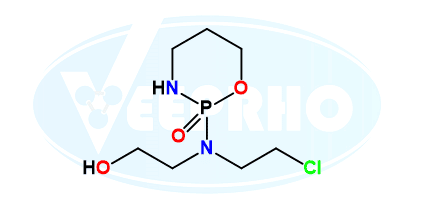
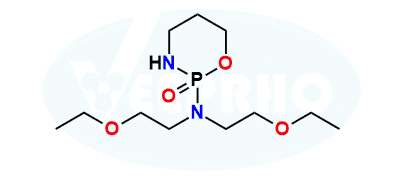
- Cyclophosphamide EP Impurity A VE0010580
CAS 1797009-12-1 - Cyclophosphamide EP Impurity G VE0014596
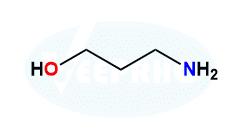
CAS 156-87-6 - N-Methyl Cyclophosphamide VE0013984
CAS 22089-17-4
- Cyclophosphamide EP Impurity A VE0010580
- Angebot für dieses Set anfragen
Alle USP-Verunreinigungen von Cyclophosphamide
5 ProdukteDie 5 Produkte ansehen
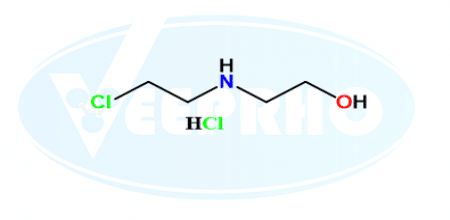
- Cyclophosphamide Related Compound A (HCl Salt) VL165001
CAS 821-48-7 - Cyclophosphamide Related Compound B (Ethyl Ester TFA Salt) VE008842
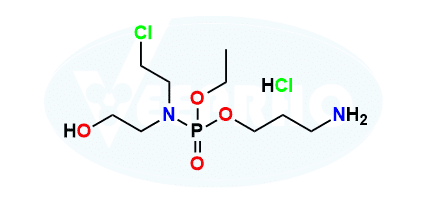
- Cyclophosphamide Related Compound C (Ethyl Ester HCl Salt) VE008843
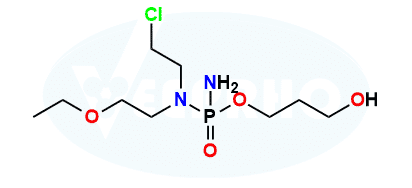
- Cyclophosphamide Related Compound D VL165002
CAS 158401-51-5 - Cyclophosphamide Related Compound D (Ethyl Ester HCl Salt) VE008844
- Cyclophosphamide Related Compound A (HCl Salt) VL165001
- Angebot für dieses Set anfragen
Alle Nitrosamin-Verunreinigungen von Cyclophosphamide
4 ProdukteDie 4 Produkte ansehen
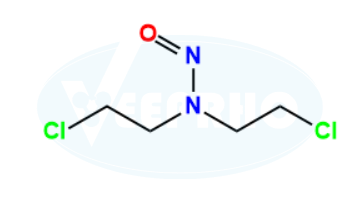
- N-Nitroso bis(2-chloroethyl)amine VE006103
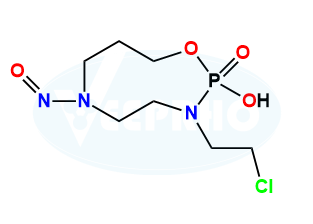
CAS 67856-68-2 - N-Nitroso Cyclophosphamide VE0015663
- N-Nitroso Cyclophosphamide Related compound B VE0024419
- N-Nitroso Cyclophosphamide Related compound D VE0024420
- N-Nitroso bis(2-chloroethyl)amine VE006103



1–40 von 40 Ergebnissen33 auf Lager




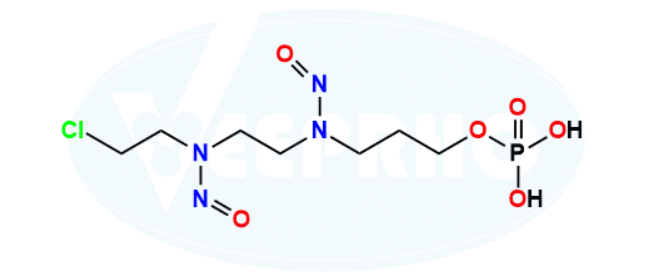
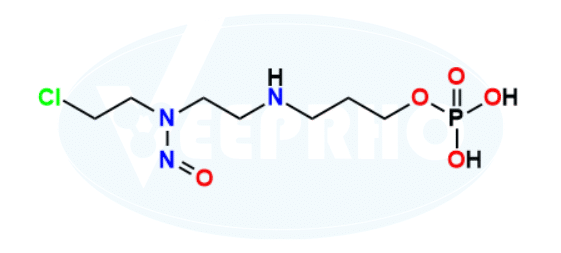


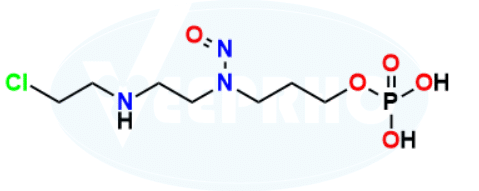
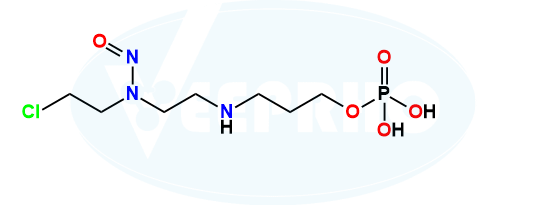

Cyclophosphamide Related Compound
As with all chemotherapy drugs, impurities may form in cyclophosphamide during its manufacturing, storage, and handling processes. Regulatory authorities such as the U.S. FDA and EMA establish stringent guidelines to control impurity levels, ensuring the safety and efficacy of the medication. Types of Impurities in Cyclophosphamide Related Substances These are chemically related compounds or byproducts formed during the synthesis of cyclophosphamide. Controlling these impurities is essential to maintain the drug’s therapeutic effectiveness and purity. Degradation Products Cyclophosphamide may degrade over time when exposed to environmental factors like heat, light, or moisture. Degradation products can reduce the stability and potency of the medication, necessitating proper storage conditions. Residual Solvents Trace amounts of solvents used during the manufacturing process may remain in the final product. Regulatory standards ensure these solvents are within safe limits to minimize any potential risks to patients. Analytical Techniques for Monitoring Impurities Techniques such as High-Performance Liquid Chromatography (HPLC) and Mass Spectrometry (LC-MS) are employed to identify and quantify impurities, ensuring cyclophosphamide meets strict safety and quality standards.
Häufige Fragen
What is the drug cyclophosphamide used for?
Cyclophosphamide is used to treat a wide range of cancers, including ovarian cancer, breast cancer, cancers of the blood and lymphatic system, nerve cancers (in children), retinoblastoma, multiple myeloma, and mycosis fungoides. It is also used in lower doses to treat certain autoimmune diseases.
Is cyclophosphamide a strong chemotherapy?
Yes, cyclophosphamide is considered a strong chemotherapy drug. It is an alkylating agent that interferes with the DNA of rapidly dividing cancer cells, effectively halting their growth. It is often used in combination with other chemotherapy drugs to enhance its effectiveness.
How toxic is cyclophosphamide?
Cyclophosphamide can be toxic, particularly at higher doses or with prolonged use. Common toxic effects include bone marrow suppression (leading to low blood cell counts), nausea, vomiting, hair loss, and bladder toxicity (hemorrhagic cystitis). Rarely, it may increase the risk of secondary cancers or cause liver or kidney damage. Regular monitoring by a healthcare provider is essential during treatment.
Is cyclophosphamide an anthracycline?
No, cyclophosphamide is not an anthracycline. It is an alkylating agent , which works by cross-linking DNA strands, preventing cancer cells from dividing and replicating. Anthracyclines, such as doxorubicin or daunorubicin, belong to a different class of chemotherapy drugs with distinct mechanisms of action.