
Theophylline-Verunreinigungen
Angebot für ein Set anfordern
- Angebot für dieses Set anfragen
Alle EP-Verunreinigungen von Theophylline
6 ProdukteDie 6 Produkte ansehen
- Theophylline EP Impurity A VL3710002
CAS 58-08-2 - Theophylline EP Impurity B VE006962
CAS 1076-22-8 - Theophylline EP Impurity C VE008571
CAS 7597-60-6 - Theophylline EP Impurity D (HCl Salt) VE0023640
CAS 116131-08-9 - Theophylline EP Impurity E VE006974
CAS 944-73-0 - Theophylline EP Impurity F VE009294
CAS 519-37-9
- Theophylline EP Impurity A VL3710002
- Angebot für dieses Set anfragen
Alle USP-Verunreinigungen von Theophylline
3 ProdukteDie 3 Produkte ansehen
- Theophylline EP Impurity C VE008571
CAS 7597-60-6 - Theophylline EP Impurity D (HCl Salt) VE0023640
CAS 116131-08-9 - Theophylline EP Impurity F VE009294
CAS 519-37-9
- Theophylline EP Impurity C VE008571
- Angebot für dieses Set anfragen
Alle Nitrosamin-Verunreinigungen von Theophylline
4 ProdukteDie 4 Produkte ansehen
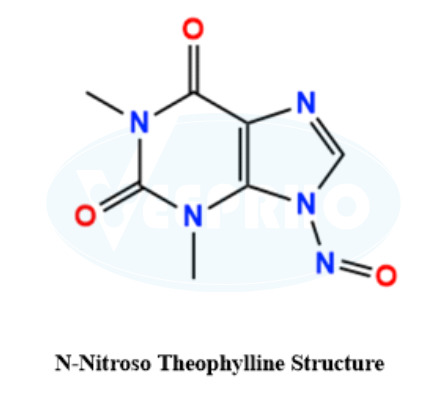
- N-Nitroso Theophylline VE0011721
- N-Nitroso Theophylline; Synthesis Attempts and Failure Report (NAP Test) VE0028242
- N-Nitroso-8-Chlorotheophylline VE0022877
- N7-Nitroso Theophylline VE0024194



1–13 von 13 Ergebnissen11 auf Lager
| Struktur | Produktname |
|---|---|
| N-Nitroso TheophyllineVE0011721 | |
| N-Nitroso-8-ChlorotheophyllineVE0022877 | |
| N7-Nitroso TheophyllineVE0024194 · Auf Lager | |
| Theophylline EP Impurity ACAS-Nr. 58-08-2 · VL3710002 · Auf Lager | |
| Theophylline EP Impurity BCAS-Nr. 1076-22-8 · VE006962 · Auf Lager | |
| Theophylline EP Impurity CCAS-Nr. 7597-60-6 · VE008571 · Auf Lager | |
| Theophylline EP Impurity D (HCl Salt)CAS-Nr. 116131-08-9 · VE0023640 · Auf Lager | |
| Theophylline EP Impurity ECAS-Nr. 944-73-0 · VE006974 · Auf Lager | |
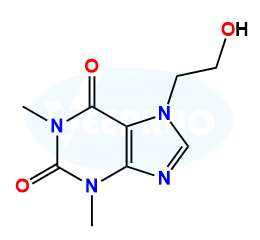 | Theophylline EP Impurity FCAS-Nr. 519-37-9 · VE009294 · Auf Lager |
| 1-Methyl XanthineCAS-Nr. 6136-37-4 · VE0021609 · Auf Lager | |
| 2-Bromoethyl AcetateCAS-Nr. 927-68-4 · VE0020229 · Auf Lager | |
| 7-Ethyl TheophyllineCAS-Nr. 23043-88-1 · VE0027128 · Auf Lager | |
| 7-MethylxanthinCAS-Nr. 552-62-5 · VE0017869 · Auf Lager |
Theophylline Acid and Related Compound
Typical API quality specifications control related xanthine impurities such as theobromine (3,7-dimethylxanthine), caffeine (1,3,7-trimethylxanthine), 1-methylxanthine, 3-methylxanthine, xanthine and dimethyluric derivatives. Common acceptance criteria used in manufacture and quality control limit individual related compounds to approximately 0.1 to 0.5 percent by weight and total impurities to about 0.5 to 1.0 percent, with particularly potent or genotoxic impurities restricted at tighter levels often below 0.05 percent. Typical example limits might be theobromine <= 0.2 percent, caffeine <= 0.1 percent, 1-methylxanthine <= 0.2 percent and total related compounds <= 0.5 percent, but exact limits should follow the product specific specification and regulatory filing. Identification and quantitation of these impurities are routinely performed using validated HPLC-UV or LC-MS methods with appropriate system suitability and sensitivity.
Häufige Fragen
What is the drug theophylline used for?
Theophylline is used primarily as a bronchodilator in the management of COPD and asthma, often as an adjunct when inhaled therapies are insufficient; it has also been used historically for neonatal apnea and other respiratory indications.
Why is theophylline not used much anymore?
Use has declined because safer and more effective inhaled long-acting bronchodilators and inhaled corticosteroids are available, and theophylline has a narrow therapeutic index, significant drug interactions and variable pharmacokinetics that require monitoring to avoid toxicity.
What is the mechanism of action of theophylline?
Theophylline works by nonselective inhibition of phosphodiesterase enzymes, increasing intracellular cAMP, and by antagonizing adenosine receptors (A1 and A2), producing bronchodilation and central nervous system stimulation; it also has immunomodulatory effects such as enhancing histone deacetylase activity.
What is most likely a side effect of theophylline?
Common side effects include nausea, vomiting, headache, insomnia and palpitations; at higher plasma concentrations patients are at risk for tachyarrhythmias and seizures.