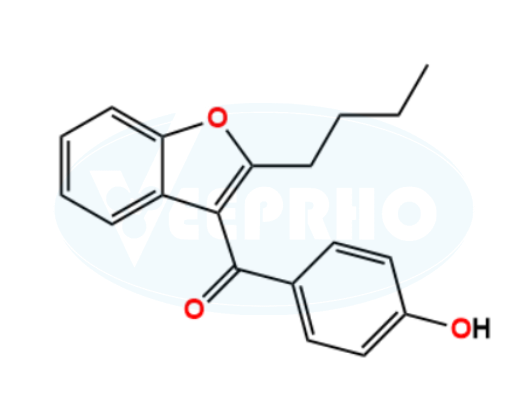
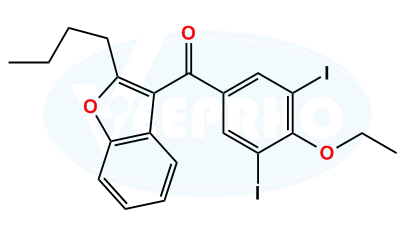
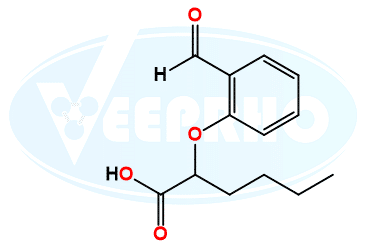
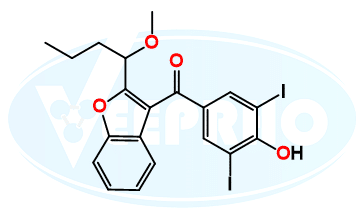
Amiodarone is a potent and often preferred anti-arrhythmic medication, widely known for its efficacy in treating ventricular arrhythmias, a potentially life-threatening heart condition. Approved by the U.S. Food and Drug Administration (FDA), it is categorized as a Class III anti-arrhythmic drug. It works by altering the potassium and calcium channels of the heart, thereby prolonging the cardiac action potential and refractoriness. Besides, it has additional antiadrenergic properties, making it effective in controlling heart rate. Its bioavailability is significantly enhanced when taken along with food, demonstrating significant enterohepatic circulation.

Parent: Amiodarone

Parent: Amiodarone
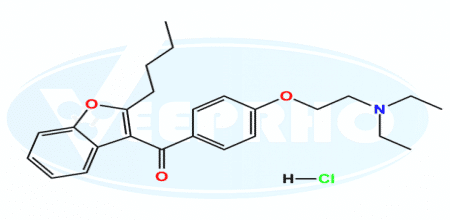
Parent: Amiodarone
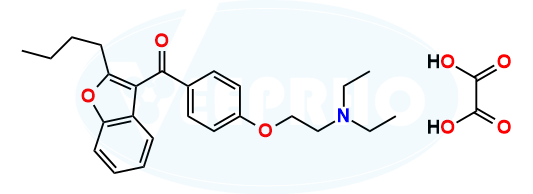
Parent: Amiodarone

Parent: Amiodarone
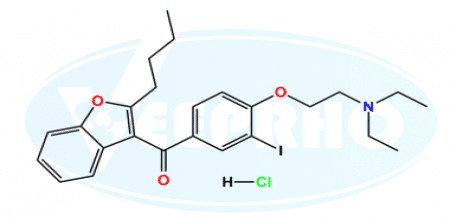
Parent: Amiodarone

Parent: Amiodarone

Parent: Amiodarone / Amiodarone Hydrochloride

Parent: Amiodarone

Parent: Amiodarone

Parent: Amiodarone
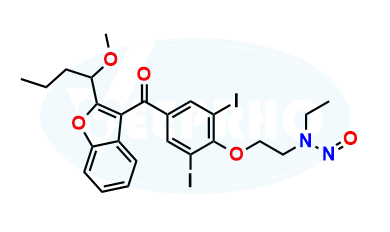
Parent: Amiodarone
Amiodarone, being a synthetic compound, can be associated with impurities during its manufacturing process. This includes multiple organic impurities and related compounds, possibly as a result of different synthesis pathways. However, standards and norms set by regulatory authorities like FDA ensure the amount of these impurities remains within acceptable limits. Notably, the most common impurities associated with Amiodarone are desethylamiodarone (DEA), an active metabolite, and related iodinated benzofuran derivatives. Their concentration severely impacts the drug’s pharmacokinetics and clinical efficacy, making it essential to maintain optimal levels.
Amiodarone is primarily used for treating life-threatening heart conditions like ventricular arrhythmias. It can also be administered to manage different types of tachycardia, including ventricular tachycardia and wide-complex tachycardia, as well as off-label uses like atrial fibrillation and flutter.
Amiodarone is a multi-channel blocker, working mainly by inhibiting the potassium and calcium channels in the heart. This action prolongs the heart’s action potential and refractory period. It also inhibits adrenergic activity, which helps in controlling the heart rate.
Amiodarone primarily acts on potassium and calcium channels, but it also affects sodium channels to a lesser extent, making it a non-selective channel blocker. This sodium channel blocking property adds to its anti-arrhythmic effect.
The most common complication of amiodarone is the potential for toxicity, which can affect multiple organs including the lungs, thyroid, liver, eyes, and skin. Long-term use often leads to pulmonary toxicity, characterized by symptoms like coughing, difficulty breathing, and potentially leading to lung damage. Regular monitoring and dose adjustment are critical to manage these side effects efficiently.