
Amiodarone 불순물
세트 견적 요청
- 이 세트 견적 요청
Amiodarone의 EP 불순물 전체
14개 제품14개 제품 보기
- Amiodarone EP Impurity A VL1390001
CAS 23551-25-9 - Amiodarone EP Impurity A (HCl salt) VE006504
CAS 95820-13-6 - Amiodarone EP Impurity A (Oxalate) VE0022948
CAS 2984442-50-2 - Amiodarone EP Impurity B VL1390002
CAS 96027-74-6 - Amiodarone EP Impurity B (Free Base) VE0020389
CAS 83409-32-9 - Amiodarone EP Impurity C VE006467
CAS 85642-08-6 - Amiodarone EP Impurity C (HCl salt) VL1390003
CAS 1397201-93-2 - Amiodarone EP Impurity C (Oxalate Salt) VE0020391
- Amiodarone EP Impurity D VL1390005
CAS 1951-26-4 - Amiodarone EP Impurity E VL1390006
CAS 52490-15-0 - Amiodarone EP Impurity F VL1390004
CAS 147030-50-0 - Amiodarone EP Impurity G VL1390007
CAS 1087223-70-8 - Amiodarone EP Impurity G (HCl Salt) VE006757
- Amiodarone EP Impurity I VE0020390
CAS 290295-98-6
- Amiodarone EP Impurity A VL1390001
- 이 세트 견적 요청
Amiodarone의 USP 불순물 전체
14개 제품14개 제품 보기
- Amiodarone EP Impurity A VL1390001
CAS 23551-25-9 - Amiodarone EP Impurity A (HCl salt) VE006504
CAS 95820-13-6 - Amiodarone EP Impurity A (Oxalate) VE0022948
CAS 2984442-50-2 - Amiodarone EP Impurity B VL1390002
CAS 96027-74-6 - Amiodarone EP Impurity B (Free Base) VE0020389
CAS 83409-32-9 - Amiodarone EP Impurity C VE006467
CAS 85642-08-6 - Amiodarone EP Impurity C (HCl salt) VL1390003
CAS 1397201-93-2 - Amiodarone EP Impurity C (Oxalate Salt) VE0020391
- Amiodarone EP Impurity D VL1390005
CAS 1951-26-4 - Amiodarone EP Impurity E VL1390006
CAS 52490-15-0 - Amiodarone EP Impurity F VL1390004
CAS 147030-50-0 - Amiodarone EP Impurity G VL1390007
CAS 1087223-70-8 - Amiodarone EP Impurity G (HCl Salt) VE006757
- Amiodarone EP Impurity I VE0020390
CAS 290295-98-6
- Amiodarone EP Impurity A VL1390001
- 이 세트 견적 요청
Amiodarone의 니트로사민 불순물 전체
4개 제품4개 제품 보기
- N-Nitroso Desethyl Amiodarone VE0010562
CAS 678982-38-2 - N-Nitroso N-Desethyl Amiodarone EP Impurity A VE0023226
- N-Nitroso N-Desethyl Amiodarone EP Impurity C VE0024758
- N-Nitroso N-Desethyl Amiodarone EP Impurity G VE0024761
- N-Nitroso Desethyl Amiodarone VE0010562

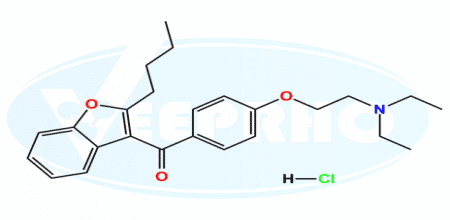
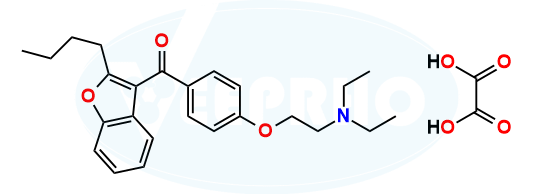


27개 중 1–2727 재고 있음
| 구조 | 제품명 |
|---|---|
| Amiodarone Didesethyl ImpurityCAS 번호 94317-95-0 · VL1390015 · 재고 있음 | |
| Amiodarone Didesethyl Impurity (HCl Salt)CAS 번호 757220-04-5 · VE006756 · 재고 있음 | |
| Amiodarone EP Impurity ACAS 번호 23551-25-9 · VL1390001 · 재고 있음 | |
| Amiodarone EP Impurity A (HCl salt)CAS 번호 95820-13-6 · VE006504 · 재고 있음 | |
| Amiodarone EP Impurity A (Oxalate)CAS 번호 2984442-50-2 · VE0022948 · 재고 있음 | |
| Amiodarone EP Impurity BCAS 번호 96027-74-6 · VL1390002 · 재고 있음 | |
| Amiodarone EP Impurity B (Free Base)CAS 번호 83409-32-9 · VE0020389 · 재고 있음 | |
| Amiodarone EP Impurity CCAS 번호 85642-08-6 · VE006467 · 재고 있음 | |
| Amiodarone EP Impurity C (HCl salt)CAS 번호 1397201-93-2 · VL1390003 · 재고 있음 | |
 | Amiodarone EP Impurity C (Oxalate Salt)VE0020391 · 재고 있음 |
| Amiodarone EP Impurity DCAS 번호 1951-26-4 · VL1390005 · 재고 있음 | |
| Amiodarone EP Impurity ECAS 번호 52490-15-0 · VL1390006 · 재고 있음 | |
| Amiodarone EP Impurity FCAS 번호 147030-50-0 · VL1390004 · 재고 있음 | |
| Amiodarone EP Impurity GCAS 번호 1087223-70-8 · VL1390007 · 재고 있음 | |
 | Amiodarone EP Impurity G (HCl Salt)VE006757 · 재고 있음 |
| Amiodarone EP Impurity ICAS 번호 290295-98-6 · VE0020390 · 재고 있음 | |
| Amiodarone Impurity 16CAS 번호 138320-26-0 · VE0012155 · 재고 있음 | |
| Amiodarone Impurity 17CAS 번호 138320-27-1 · VE0012156 · 재고 있음 | |
| Amiodarone Impurity 24CAS 번호 1391054-75-3 · VE0012162 · 재고 있음 | |
| Amiodarone Methoxy ImpurityCAS 번호 83790-87-8 · VL1390011 · 재고 있음 | |
 | Amiodarone N-Oxide ImpurityCAS 번호 318267-30-0 · VL1390012 · 재고 있음 |
 | Amiodarone Related Compound 1VE006758 · 재고 있음 |
| N-Nitroso Desethyl AmiodaroneCAS 번호 678982-38-2 · VE0010562 · 재고 있음 | |
| N-Nitroso N-Desethyl Amiodarone EP Impurity AVE0023226 · 재고 있음 | |
| N-Nitroso N-Desethyl Amiodarone EP Impurity CVE0024758 · 재고 있음 | |
| N-Nitroso N-Desethyl Amiodarone EP Impurity GVE0024761 · 재고 있음 | |
| 2-butylbenzofuranCAS 번호 4265-27-4 · VL1390016 · 재고 있음 |
Amiodarone Impurities and Related Compound
Amiodarone, being a synthetic compound, can be associated with impurities during its manufacturing process. This includes multiple organic impurities and related compounds, possibly as a result of different synthesis pathways. However, standards and norms set by regulatory authorities like FDA ensure the amount of these impurities remains within acceptable limits. Notably, the most common impurities associated with Amiodarone are desethylamiodarone (DEA), an active metabolite, and related iodinated benzofuran derivatives. Their concentration severely impacts the drug's pharmacokinetics and clinical efficacy, making it essential to maintain optimal levels.
자주 묻는 질문
What is the drug amiodarone used for?
Amiodarone is primarily used for treating life-threatening heart conditions like ventricular arrhythmias. It can also be administered to manage different types of tachycardia, including ventricular tachycardia and wide-complex tachycardia, as well as off-label uses like atrial fibrillation and flutter.
What is the mechanism of action of amiodarone?
Amiodarone is a multi-channel blocker, working mainly by inhibiting the potassium and calcium channels in the heart. This action prolongs the heart’s action potential and refractory period. It also inhibits adrenergic activity, which helps in controlling the heart rate.
Is amiodarone a sodium channel blocker?
Amiodarone primarily acts on potassium and calcium channels, but it also affects sodium channels to a lesser extent, making it a non-selective channel blocker. This sodium channel blocking property adds to its anti-arrhythmic effect.
What is the most common complication of amiodarone?
The most common complication of amiodarone is the potential for toxicity, which can affect multiple organs including the lungs, thyroid, liver, eyes, and skin. Long-term use often leads to pulmonary toxicity, characterized by symptoms like coughing, difficulty breathing, and potentially leading to lung damage. Regular monitoring and dose adjustment are critical to manage these side effects efficiently.