
Diclofenac 2,5-Quinone Imine
Parent: Diclofenac

Diclofenac Acyl-Beta-D-glucuronide Allyl Ester
Parent: Diclofenac


Diclofenac Chloroacetyl Impurity
Parent: Diclofenac



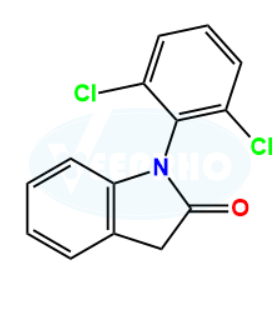
Diclofenac EP Impurity A
Parent: Diclofenac / Aceclofenac


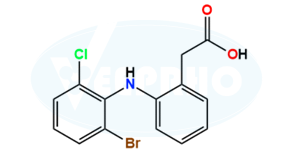

Diclofenac EP Impurity D (Sodium Salt)
Parent: Diclofenac

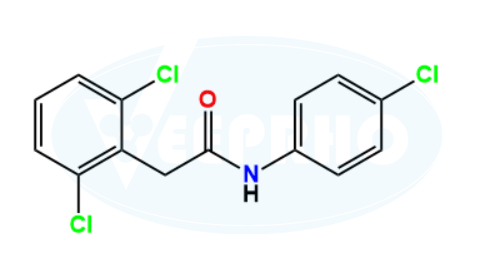


Diclofenac for system suitability CRS (Y0001635)
Parent: Diclofenac
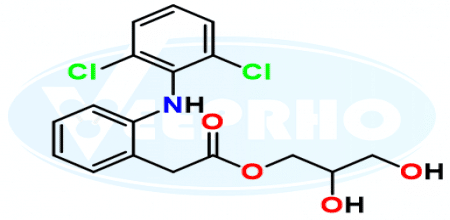


Diclofenac Isopropyl Ester Impurity
Parent: Diclofenac


Diclofenac Potassium Working Standard (Secondary Reference Standard)
Parent: Diclofenac / Diclofenac Potassium

Diclofenac PPG Ester (Mixture PPG 1 & PPG 2)
Parent: Diclofenac



Diclofenac Reference Standard
Parent: Diclofenac

Diclofenac Related Compound 1
Parent: Diclofenac

Diclofenac Related Compound 10
Parent: Diclofenac

Diclofenac Sodium Working Standard (Secondary Reference Standard)
Parent: Diclofenac / Diclofenac Sodium


Diclofenac-acyl-beta-D-glucuronide
Parent: Diclofenac


Sodium 2-chloro-2-(2-((2,6-dichlorophenyl)amino)phenyl)acetate
Parent: Diclofenac

Sodium 2,2-dichloro-2-(2-((2,6-dichlorophenyl)amino)phenyl)acetate
Parent: Diclofenac


Diclofenac Related Compound
During the manufacturing and storage of diclofenac, impurities may form, which must be carefully monitored to ensure the medication’s safety and efficacy. Regulatory bodies like the U.S. Food and Drug Administration (FDA) and the European Medicines Agency (EMA) set guidelines for permissible impurity levels to ensure patient safety.
FAQ
Diclofenac should not be taken with other NSAIDs like ibuprofen or aspirin due to an increased risk of gastrointestinal bleeding and kidney damage. Additionally, avoid combining diclofenac with blood thinners like warfarin or antiplatelet medications like clopidogrel. Patients taking diuretics, ACE inhibitors, or lithium should also consult their doctor to avoid potential drug interactions.
Diclofenac generally starts to provide pain relief within 30 minutes to 1 hour after administration, depending on the formulation. However, its anti-inflammatory effects may take a few days to a week of consistent use to fully manifest.
It is generally not recommended to take diclofenac on an empty stomach, as this can increase the risk of stomach irritation and gastrointestinal side effects like ulcers. Taking diclofenac with food, milk, or an antacid can help reduce these risks.
While diclofenac is effective in treating pain and inflammation, long-term use can increase the risk of gastrointestinal ulcers, bleeding, and perforation. It can also raise the risk of heart attack or stroke, particularly when taken at high doses or for extended periods. Kidney and liver function may also be affected, especially in patients with preexisting conditions.
Yes, it is generally safe to stop taking diclofenac without experiencing withdrawal symptoms. However, it is advisable to consult your healthcare provider before discontinuing the medication, especially if you are using it for chronic conditions like arthritis, as stopping diclofenac may lead to the return of pain and inflammation.