

- 100% accuracy of data
- 24/7 scientific support
- 0% tolerance in quality of product
Stock Locations
- New Jersey, USA
- Czech Republic, EUIn stock
* Stock subject to availability.
Documentation
Includes: HPLC, MASS/LC-MS, 1H NMR, FT-IR, Potency, Structure Elucidation Report (SER), and additional analytical data depending on the product.
142-04-1
Mesalazine EP Impurity K (HCl Salt)
● In Stock
| Catalogue No.: | VE0017818 |
|---|---|
| CAS No.: | 142-04-1 |
| Mol. Formula: | C6H8ClN |
| Mol. Weight: | 129.59 g/mol |
For laboratory use only: analytical, development and regulatory purposes. Supplied in mg quantities. Not for human or veterinary use.
Packs and prices
| Pack | Price | Qty |
|---|---|---|
| 100 mg | USD 188.00 |
Prices shown are valid for issuing a purchase order.
Prices are subject to change depending on compound availability and the cost of synthesis based on current raw material costs. Veeprho reserves the right to change prices without notice.
Need another pack size or quantity? Request a custom quoteHow can we help?
Request a quote for a set
- Request quote for this set
All EP impurities of Mesalazine
19 productsSee the 19 products
- Aspirin EP Impurity C VL530006
CAS 69-72-7 - Mefenamic Acid EP Impurity C VL2950002
CAS 118-91-2 - Mesalamine EP Impurity K VL98011
CAS 62-53-3 - Mesalamine EP Impurity O VL98012
CAS 121-57-3 - Mesalamine Impurity 1 VL98001
CAS 3147-53-3 - Mesalazine EP Impurity C VL98007
CAS 95-55-6 - Mesalazine EP Impurity D VL98010
CAS 99-05-8 - Mesalazine EP Impurity E VL98002
CAS 65-49-6 - Mesalazine EP Impurity F VL98008
CAS 570-23-0 - Mesalazine EP Impurity G VL98009
CAS 490-79-9 - Mesalazine EP Impurity J VL98019
CAS 112725-89-0 - Mesalazine EP Impurity K (HCl Salt) VE0017818
CAS 142-04-1 - Mesalazine EP Impurity M VL98015
CAS 2516-96-3 - Mesalazine EP Impurity N VL98016
CAS 96-97-9 - Mesalazine EP Impurity P VE005864
CAS 887256-40-8 - Mesalazine EP Impurity Q (Free Base) VE006196
CAS 3970-35-2 - Mesalazine EP Impurity R VL98014
CAS 85-38-1 - Mesalazine EP Impurity S VE006206
CAS 1797983-23-3 - Paracetamol EP Impurity K VL2170001
CAS 123-30-8
- Aspirin EP Impurity C VL530006
- Request quote for this set
All USP impurities of Mesalazine
4 productsSee the 4 products
- Mesalazine EP Impurity C VL98007
CAS 95-55-6 - Mesalazine EP Impurity E VL98002
CAS 65-49-6 - Mesalazine EP Impurity K (HCl Salt) VE0017818
CAS 142-04-1 - Paracetamol EP Impurity K VL2170001
CAS 123-30-8
- Mesalazine EP Impurity C VL98007


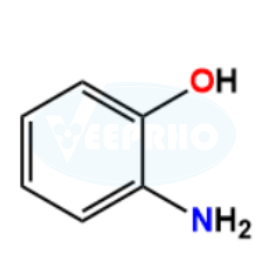
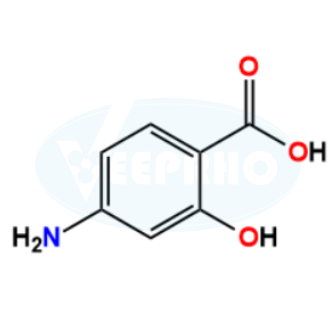
Additional information on CAS 142-04-1
| Parent drug | Mesalazine / Trimethoprim |
|---|---|
| Product type | Impurity standards |
| IUPAC name | Aniline Hydrochloride |
| EP name | Mesalazine EP Impurity K/ Trimethoprim EP Impurity K |
| USP name | Aniline Hydrochloride |
| SMILES | Cl.Nc1ccccc1 |
| InChIKey | MMCPOSDMTGQNKG-UHFFFAOYSA-N |
| CHNS Ratio (%) (calculated) | C 55.61 · H 6.22 · N 10.81 · S 0.00 |
| References | - |
| Description | Aniline hydrochloride, CAS 142-04-1, is the protonated salt of aniline and a basic aromatic amine of formula C6H8ClN and molecular weight 129.59 g/mol. In pharmaceutical impurity profiling it is associated with residual starting material, cleavage products, or degradation from aniline-derived intermediates, and may be relevant where aromatic amines are assessed under ICH M7 principles because of potential mutagenic concern. Its polar, ionic form favors LC-MS/MS determination, while trace confirmation may require derivatization followed by GC-MS or LC-HRMS. Spectral interpretation should consider salt dissociation, isotope patterns, and matrix-dependent ion suppression. |
Request a Quote
"*" indicates required fields
Other products related to Mesalazine impurities
| Impurity structure | Name of Impurity | Catalogue No. |
|---|---|---|
| Mefenamic Acid EP Impurity C | VL2950002 | |
| Mesalamine EP Impurity K | VL98011 | |
| Mesalamine EP Impurity O | VL98012 | |
| Mesalazine EP Impurity C | VL98007 | |
 | Mesalazine EP Impurity D | VL98010 |
| Mesalazine EP Impurity E | VL98002 | |
| Mesalazine EP Impurity F | VL98008 | |
| Mesalazine EP Impurity G | VL98009 | |
| Mesalazine EP Impurity J | VL98019 | |
| Mesalazine EP Impurity M | VL98015 | |
| Mesalazine EP Impurity N | VL98016 | |
| Mesalazine EP Impurity P | VE005864 |