Aceclofenac is a nonsteroidal anti-inflammatory drug (NSAID) and an analog of diclofenac. It is commonly prescribed for the relief of pain and inflammation associated with conditions such as rheumatoid arthritis, osteoarthritis, and ankylosing spondylitis. Aceclofenac works by inhibiting cyclooxygenase (COX) enzymes, which play a key role in the production of prostaglandins, compounds that cause inflammation, pain, and swelling.
Patented in 1983 and approved for medical use in 1992, aceclofenac is available in tablet form and is often preferred for its balanced anti-inflammatory and analgesic properties, along with improved gastrointestinal tolerability compared to other NSAIDs.
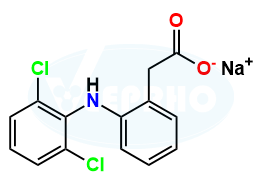
Parent: Aceclofenac

Parent: Aceclofenac

Parent: Aceclofenac

Parent: Aceclofenac
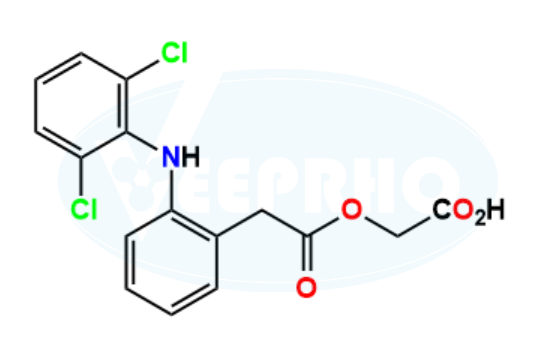
Parent: Aceclofenac
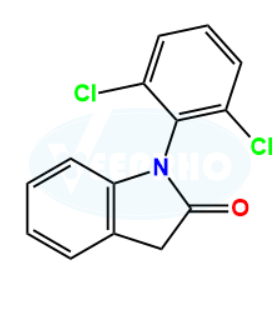
Parent: Diclofenac / Aceclofenac
As with all pharmaceutical products, impurities may form in aceclofenac during manufacturing, storage, or handling. Regulatory authorities such as the U.S. FDA and EMA enforce strict guidelines to monitor and control impurities, ensuring the medication’s safety, efficacy, and quality.
Types of Impurities in Aceclofenac
Related Substances
These are chemically related compounds or byproducts formed during the synthesis of aceclofenac. Monitoring related substances is critical to maintain the drug’s purity and therapeutic effectiveness.
Degradation Products
Aceclofenac may degrade over time due to exposure to environmental factors such as heat, light, or moisture. Proper storage conditions are essential to prevent the formation of degradation products that could affect the medication’s stability and efficacy.
Residual Solvents
Trace amounts of solvents used in the manufacturing process may remain in the final product. Regulatory standards ensure these solvents are within safe limits to minimize potential risks.
Analytical Techniques for Monitoring Impurities
Techniques such as High-Performance Liquid Chromatography (HPLC) and Mass Spectrometry (LC-MS) are commonly employed to detect and quantify impurities, ensuring aceclofenac meets stringent safety and quality standards.
Aceclofenac, like other NSAIDs, may carry a risk of cardiovascular side effects, including an increased risk of heart attack or stroke, particularly with long-term use or in individuals with pre-existing heart conditions. It should be used with caution in patients with cardiovascular risk factors, and under medical supervision.
Yes, aceclofenac is considered a potent NSAID with effective analgesic and anti-inflammatory properties. It is often used to manage moderate to severe pain and inflammation associated with arthritis and other musculoskeletal conditions.
Aceclofenac typically provides relief for about 8 to 12 hours, depending on the individual and the severity of the condition being treated. It is usually taken twice daily to maintain consistent pain and inflammation control.
Yes, Vitafen is a brand name for aceclofenac and is classified as an anti-inflammatory medication. It is used to reduce pain and inflammation in conditions such as rheumatoid arthritis, osteoarthritis, and ankylosing spondylitis.


