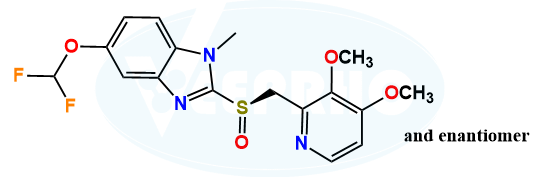
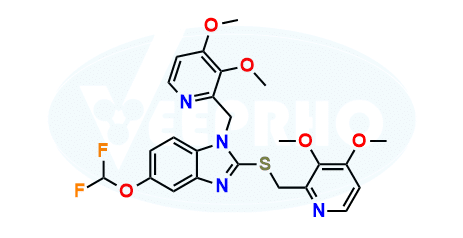
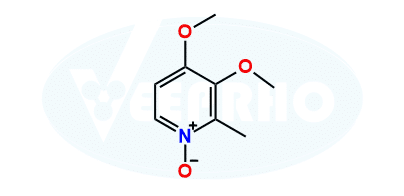
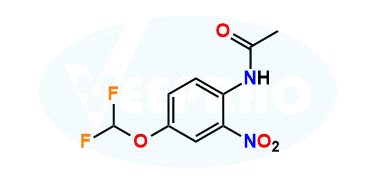
Pantoprazole is a proton pump inhibitor (PPI) that reduces the amount of acid your stomach produces. It is commonly used to treat heartburn, acid reflux, and gastroesophageal reflux disease (GERD) or gastro-oesophageal reflux disease (GORD) — conditions where acid reflux occurs repeatedly. By reducing stomach acid, pantoprazole helps prevent damage to the esophagus and stomach lining, promoting healing and relieving discomfort. Pantoprazole is also used to prevent and treat stomach ulcers and conditions where the stomach produces too much acid, such as Zollinger-Ellison syndrome.

Parent: Pantoprazole

Parent: Pantoprazole

Parent: Pantoprazole

Parent: Pantoprazole

Parent: Pantoprazole
Parent: Pantoprazole

Parent: Pantoprazole
Parent: Pantoprazole

Parent: Pantoprazole

Parent: Pantoprazole

Parent: Pantoprazole

Parent: Pantoprazole

Parent: Pantoprazole

Parent: Pantoprazole

Parent: Pantoprazole

Parent: Pantoprazole/ Pantoprazole Sodium Sesquihydrate
Parent: Pantoprazole

Parent: Pantoprazole

Parent: Pantoprazole

Parent: Pantoprazole

Parent: Pantoprazole
During the production and storage of pantoprazole, impurities may develop that must be carefully monitored to ensure the medication’s safety and efficacy. Regulatory agencies such as the U.S. Food and Drug Administration (FDA) and the European Medicines Agency (EMA) set stringent guidelines for acceptable impurity levels in pharmaceutical products to maintain patient safety.
Pantoprazole is used to reduce stomach acid and treat conditions like heartburn, acid reflux, gastroesophageal reflux disease (GERD), and gastro-oesophageal reflux disease (GORD). It helps relieve symptoms such as acid reflux and prevents damage to the esophagus. Pantoprazole is also used to prevent and treat stomach ulcers and conditions that cause excessive stomach acid production, such as Zollinger-Ellison syndrome.
Although rare, pantoprazole may cause mental side effects such as confusion, anxiety, depression, or hallucinations, especially in older adults or those with underlying health conditions. If you experience unusual changes in mental health while taking pantoprazole, contact a healthcare provider.
Pantoprazole is generally considered safe when used as prescribed, but long-term use may increase the risk of certain side effects, such as bone fractures, low magnesium levels, vitamin B12 deficiency, and kidney problems. While it’s not typically classified as a high-risk medication for short-term use, patients on prolonged therapy should be monitored by their healthcare provider.
Pantoprazole works by inhibiting the proton pump (H+/K+ ATPase) in the stomach lining, which is responsible for the final step in the production of stomach acid. By blocking this proton pump, pantoprazole effectively reduces the secretion of gastric acid, helping to prevent acid damage, promote healing of ulcers, and relieve symptoms of acid reflux.