Salbutamol, also known as albuterol and sold under the brand name Ventolin among others, is a medication that helps open the medium and large airways in the lungs. As a short-acting β₂ adrenergic receptor agonist, it works by relaxing the smooth muscles of the airways, making it easier to breathe. Salbutamol is commonly used to manage asthma, chronic obstructive pulmonary disease (COPD), and other respiratory conditions.

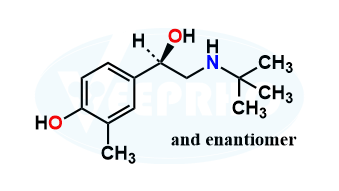
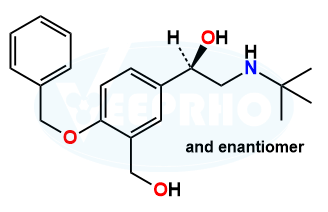
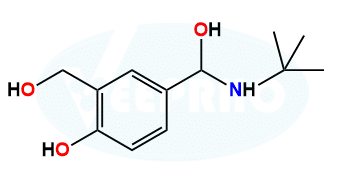
Parent: Salbutamol

Parent: Salbutamol / Albuterol
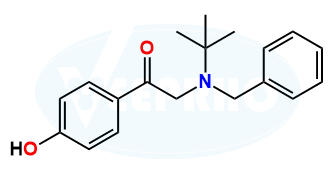
![Methyl 5-[2-[Benzyl(tert-butyl)amino]acetyl]-2-hydroxybenzoate Hydrochloride](https://veeprho.com/wp-content/uploads/2024/12/VE0022512-Methyl-5-2-Benzyl.png "Methyl 5-[2-[Benzyl(tert-butyl)amino]acetyl]-2-hydroxybenzoate Hydrochloride")
Parent: Salbutamol

Parent: Salbutamol

Parent: Salbutamol

Parent: Salbutamol / Levalbuterol / Albuterol

Parent: Levalbuterol /Salbutamol
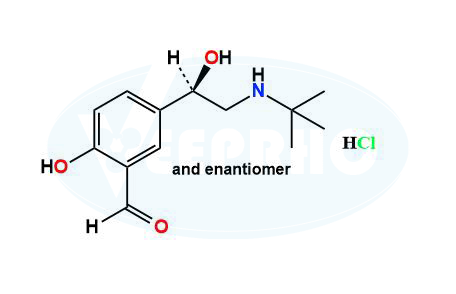
Parent: Salbutamol / Levalbuterol

Parent: Salbutamol / Albuterol

Parent: Salbutamol

Parent: Salbutamol

Parent: Salbutamol

Parent: Salbutamol
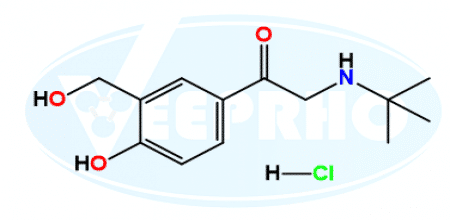
Parent: Salbutamol / Albuterol

Parent: Salbutamol

Parent: Salbutamol / Albuterol

Parent: Salbutamol

Parent: Salbutamol
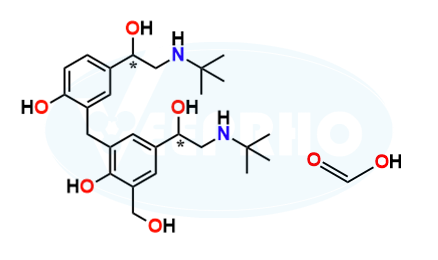
Parent: Salbutamol

Parent: Salbutamol

Parent: Salbutamol

Parent: Salbutamol

Parent: Salbutamol

Parent: Salbutamol

Parent: Salbutamol

Parent: Salbutamol/ Salbutamol Sulfate
During the production and storage of Salbutamol, related compounds and impurities may form, which must be carefully monitored to ensure the drug’s safety and efficacy. Regulatory authorities set strict guidelines for acceptable impurity levels in pharmaceutical formulations.
Key aspects of Salbutamol-related compounds and impurities include:
Advanced analytical methods, such as High-Performance Liquid Chromatography (HPLC), are used to detect and quantify Salbutamol-related compounds and impurities, ensuring compliance with stringent quality standards.
The most common side effects of Salbutamol include tremors, nervousness, headache, and an increased heart rate (tachycardia). These side effects are usually mild and resolve on their own.
No, Salbutamol is not a steroid. It is a short-acting β₂ agonist that works by relaxing the muscles in the airways to improve breathing.
Salbutamol can be administered every 2 hours in severe cases under medical supervision, such as during an acute asthma attack. For routine use, follow your doctor’s prescribed dosing schedule.
While Salbutamol is highly effective for most people, its effectiveness can vary. In some cases, patients with severe asthma or COPD may require additional treatments.
Salbutamol works by stimulating β₂ adrenergic receptors in the airway smooth muscles, causing them to relax. This relaxation opens up the airways, making it easier to breathe.
Salbutamol usually begins to work within 5 to 15 minutes after inhalation, providing quick relief from symptoms of airway obstruction or bronchospasm.