
Brimonidine-Verunreinigungen
Angebot für ein Set anfordern
- Angebot für dieses Set anfragen
Alle EP-Verunreinigungen von Brimonidine
9 ProdukteDie 9 Produkte ansehen
- Brimonidine EP Impurity A VL1910004
CAS 91147-43-2 - Brimonidine EP Impurity B VL1910003
CAS 50358-63-9 - Brimonidine EP Impurity C VL1910002
CAS 6298-37-9 - Brimonidine EP Impurity D VL1910005
CAS 842138-74-3 - Brimonidine EP Impurity E VL1910001
CAS 168329-48-4 - Brimonidine EP Impurity F VE007425
CAS 151110-15-5 - Brimonidine EP Impurity G VE006448
CAS 1216379-05-3 - Brimonidine EP Impurity G (HCl Salt) VE0012890
- Brimonidine EP Impurity H VE006452
CAS 91147-46-5
- Brimonidine EP Impurity A VL1910004
- Angebot für dieses Set anfragen
Alle USP-Verunreinigungen von Brimonidine
3 ProdukteDie 3 Produkte ansehen
- Brimonidine EP Impurity B VL1910003
CAS 50358-63-9 - Brimonidine EP Impurity D VL1910005
CAS 842138-74-3 - Brimonidine EP Impurity E VL1910001
CAS 168329-48-4
- Brimonidine EP Impurity B VL1910003
- Angebot für dieses Set anfragen
Alle Nitrosamin-Verunreinigungen von Brimonidine
3 ProdukteDie 3 Produkte ansehen
- Brimonidine Nitroso Impurity VE0010619
- N-Nitroso Brimonidine EP Impurity F VE0024369
- N2-Nitroso Brimonidine VE0024130
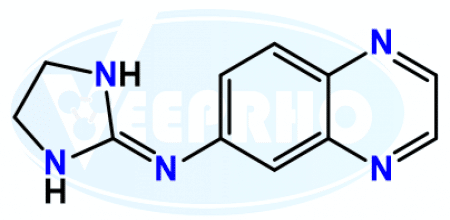
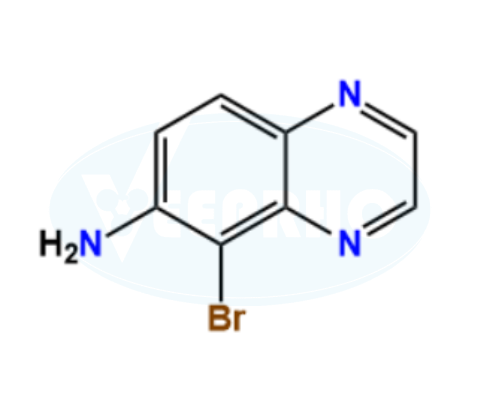
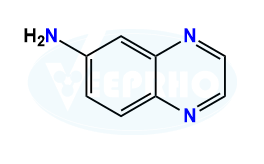
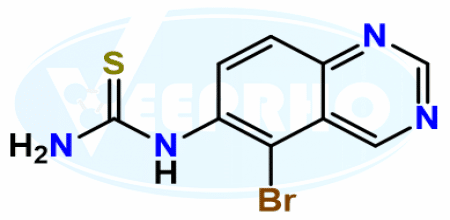

1–33 von 33 Ergebnissen31 auf Lager
| Struktur | Produktname |
|---|---|
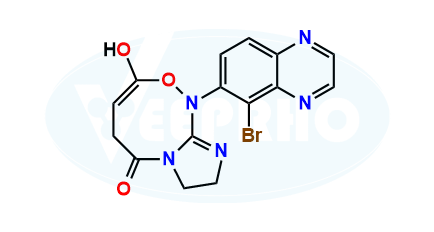 | Brimonidine 0.8 RRT ImpurityVE0021026 · Auf Lager |
| Brimonidine 2,3-Dione ImpurityCAS-Nr. 182627-95-8 · VE007423 · Auf Lager | |
 | Brimonidine AcrylateVE007429 · Auf Lager |
| Brimonidine Carbamothioate ImpurityCAS-Nr. 842138-75-4 · VE007424 · Auf Lager | |
 | Brimonidine Dimer ImpurityVE007428 · Auf Lager |
| Brimonidine EP Impurity ACAS-Nr. 91147-43-2 · VL1910004 · Auf Lager | |
| Brimonidine EP Impurity BCAS-Nr. 50358-63-9 · VL1910003 · Auf Lager | |
| Brimonidine EP Impurity CCAS-Nr. 6298-37-9 · VL1910002 · Auf Lager | |
| Brimonidine EP Impurity DCAS-Nr. 842138-74-3 · VL1910005 · Auf Lager | |
| Brimonidine EP Impurity ECAS-Nr. 168329-48-4 · VL1910001 · Auf Lager | |
| Brimonidine EP Impurity FCAS-Nr. 151110-15-5 · VE007425 · Auf Lager | |
| Brimonidine EP Impurity GCAS-Nr. 1216379-05-3 · VE006448 · Auf Lager | |
| Brimonidine EP Impurity G (HCl Salt)VE0012890 · Auf Lager | |
| Brimonidine EP Impurity HCAS-Nr. 91147-46-5 · VE006452 · Auf Lager | |
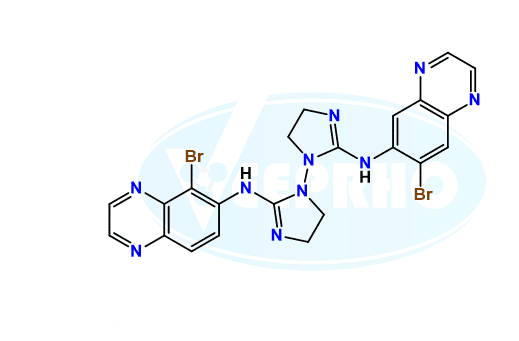 | Brimonidine Impurity 2VE0011156 |
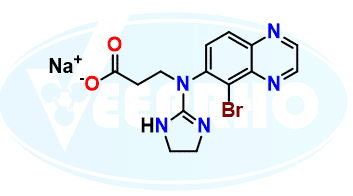 | Brimonidine Impurity 6 (Na Salt)VE0012891 · Auf Lager |
| Brimonidine Impurity 8CAS-Nr. 40254-90-8 · VE0012892 · Auf Lager | |
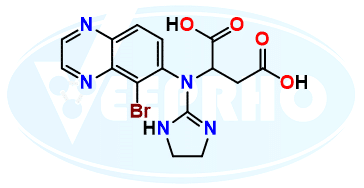 | Brimonidine Impurity 9VE0012894 · Auf Lager |
| Brimonidine Impurity 12VE0012899 · Auf Lager | |
| Brimonidine Impurity 33VE0025986 · Auf Lager | |
| Brimonidine Inhouse Impurity ICAS-Nr. 134892-46-9 · VE007431 · Auf Lager | |
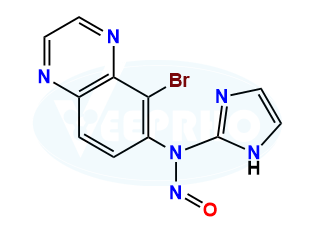
| Brimonidine Nitroso ImpurityVE0010619 · Auf Lager | |
| Brimonidine propanone ImpurityVE0025289 | |
| Brimonidine Related Impurity 4CAS-Nr. 182628-02-0 · VE007430 · Auf Lager | |
| Brimonidine Tartrate Impurity 3CAS-Nr. 1217439-06-9 · VE007426 · Auf Lager | |
| Brimonidine Tartrate Impurity 8CAS-Nr. 934548-66-0 · VE0012898 · Auf Lager | |
| N-(2-Aminoethyl)-N’-(5-bromo-6-quinoxalinyl)thioureaCAS-Nr. 134892-47-0 · VE008657 · Auf Lager | |
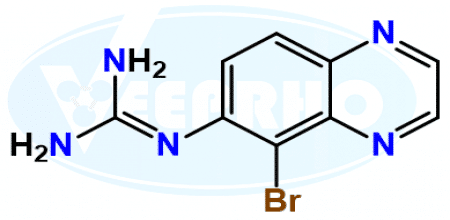
| N-(5-Bromo-6-quinoxalinyl)quanidine HydrochlorideCAS-Nr. 1797986-78-7 · VE0025201 · Auf Lager | |
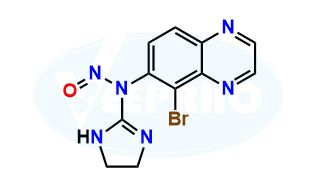
| N-Nitroso Brimonidine EP Impurity FVE0024369 · Auf Lager | |
| N2-Nitroso BrimonidineVE0024130 · Auf Lager | |
| 2-(2-((5-Bromoquinoxalin-6-yl)amino)-4,5-dihydro-1H-imidazol-1-yl)succinic acidVE0024998 · Auf Lager | |
| 3-((5-Bromoquinoxalin-6-yl)(4,5-dihydro-1H-imidazol-2-yl)amino)propanoic AcidVE0025499 · Auf Lager | |
| 6-IsothiocyanatoquinoxalineCAS-Nr. 135306-56-8 · VE007427 · Auf Lager |
Brimonidine Related Compound
During the production and storage of brimonidine, impurities may form that must be carefully monitored to ensure the medication’s safety and efficacy. Regulatory agencies such as the U.S. Food and Drug Administration (FDA) and the European Medicines Agency (EMA) set stringent guidelines for acceptable impurity levels in pharmaceutical products.
FAQs
Häufige Fragen
What type of drug is brimonidine?
Brimonidine is an alpha-2 adrenergic agonist. It is primarily used in the form of eye drops to lower intraocular pressure in patients with glaucoma or ocular hypertension. By reducing the production of fluid in the eye and increasing its outflow, brimonidine helps prevent optic nerve damage and vision loss. It is also used topically to treat facial redness in rosacea.
Is brimonidine an alpha blocker?
No, brimonidine is not an alpha blocker. It is an alpha-2 adrenergic agonist, which means it activates alpha-2 receptors in the nervous system. This is different from alpha blockers, which inhibit alpha-1 adrenergic receptors. Brimonidine reduces intraocular pressure by decreasing fluid production in the eye and enhancing fluid outflow.
What are the side effects of brimonidine for the heart?
Brimonidine may cause cardiovascular side effects, particularly in people with pre-existing heart conditions. These side effects can include low blood pressure (hypotension), slow heart rate (bradycardia), fatigue, and dizziness. In rare cases, patients may experience palpitations or more significant drops in blood pressure. Individuals with heart disease should use brimonidine with caution and consult a healthcare provider for monitoring.
Who should not take brimonidine?
Brimonidine should not be used by individuals with certain health conditions or those taking specific medications. People with severe cardiovascular conditions, low blood pressure, or those using monoamine oxidase inhibitors (MAOIs) should avoid using brimonidine. Additionally, individuals allergic to brimonidine or its ingredients should not use the medication. It is important to consult a healthcare provider before using brimonidine, especially if there are underlying health concerns.