
Caffeine-Verunreinigungen
Angebot für ein Set anfordern
- Angebot für dieses Set anfragen
Alle EP-Verunreinigungen von Caffeine
7 ProdukteDie 7 Produkte ansehen
- Caffeine EP Impurity C VE0013128
CAS 519-32-4 - Caffeine EP Impurity D VL3710004
CAS 83-67-0 - Caffeine EP Impurity E VE0015582
CAS 20041-90-1 - Caffeine EP Impurity E (HCl Salt) VE0013129
CAS 107605-95-8 - Caffeine EP Impurity E (Nitrate Salt) VE0022949
CAS 209725-34-8 - Caffeine EP Impurity F VE0013130
CAS 611-59-6 - Theophylline EP Impurity C VE008571
CAS 7597-60-6
- Caffeine EP Impurity C VE0013128
- Angebot für dieses Set anfragen
Alle USP-Verunreinigungen von Caffeine
2 ProdukteDie 2 Produkte ansehen
- Caffeine EP Impurity D VL3710004
CAS 83-67-0 - Theophylline EP Impurity C VE008571
CAS 7597-60-6
- Caffeine EP Impurity D VL3710004
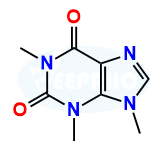


1–8 von 8 Ergebnissen8 auf Lager
| Struktur | Produktname |
|---|---|
| Caffeine EP Impurity CCAS-Nr. 519-32-4 · VE0013128 · Auf Lager | |
| Caffeine EP Impurity DCAS-Nr. 83-67-0 · VL3710004 · Auf Lager | |
| Caffeine EP Impurity ECAS-Nr. 20041-90-1 · VE0015582 · Auf Lager | |
 | Caffeine EP Impurity E (HCl Salt)CAS-Nr. 107605-95-8 · VE0013129 · Auf Lager |
| Caffeine EP Impurity E (Nitrate Salt)CAS-Nr. 209725-34-8 · VE0022949 · Auf Lager | |
| Caffeine EP Impurity FCAS-Nr. 611-59-6 · VE0013130 · Auf Lager | |
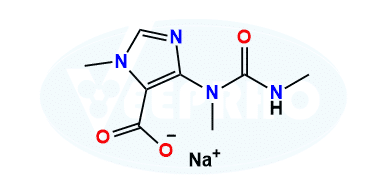 | Caffeine Impurity 1 (Na Salt)VE0013158 · Auf Lager |
| Theophylline EP Impurity CCAS-Nr. 7597-60-6 · VE008571 · Auf Lager |
Caffeine Related Compound
In addition to natural impurities, synthetic caffeine production may involve controlling other impurities, such as residual solvents and degradation products.
- Related Substances: These are chemically related compounds that may form during the synthesis of caffeine. Controlling these substances is critical to ensure that the final product is safe for consumption.
- Degradation Products: Caffeine can degrade when exposed to heat, light, or moisture, resulting in byproducts like theophylline and paraxanthine. Proper storage conditions help minimize degradation.
- Residual Solvents: Trace amounts of solvents used in the extraction or synthesis process may remain in the final product. These solvents must meet regulatory limits to ensure the safety of caffeine products.
FAQ
Häufige Fragen
What degrades caffeine?
Caffeine degrades when exposed to heat, light, oxygen, and moisture. This degradation leads to the breakdown of caffeine into compounds such as theophylline and paraxanthine. Storing caffeine in a cool, dry, and dark environment can reduce degradation.
What is the purity of caffeine?
Caffeine used in pharmaceutical or food-grade products typically has a purity of 98-100%. The purity level depends on the source and purification process, with pharmaceutical-grade caffeine adhering to stricter purity requirements than food-grade caffeine.
How do you purify caffeine?
Caffeine is purified using recrystallization and extraction techniques. Caffeine is extracted from natural sources like coffee or tea using solvents, and further purification is achieved through recrystallization, filtration, and evaporation to remove impurities and increase purity.
What does caffeine decay into?
As caffeine degrades, it breaks down into theophylline, paraxanthine, and theobromine, which are related xanthine compounds with stimulant properties. These degradation products can form under prolonged exposure to environmental factors like heat and light.
Is caffeine an FDA-approved drug?
Yes, caffeine is FDA-approved for specific uses, particularly in over-the-counter and prescription medications. It is included in treatments for migraines, headaches, and pain relief, often combined with other drugs like acetaminophen or aspirin to enhance their effectiveness.
What is caffeine pharmaceutical used for?
Pharmaceutical-grade caffeine is used in various medical formulations, including treatments for headaches, migraines, and drowsiness. It is also used in newborns to treat apnea of prematurity (a condition where premature babies temporarily stop breathing). Caffeine’s stimulating properties help to enhance alertness and are effective in combination with pain relievers to improve pain management.