
Tigecycline-Verunreinigungen
Angebot für ein Set anfordern
- Angebot für dieses Set anfragen
Alle EP-Verunreinigungen von Tigecycline
4 ProdukteDie 4 Produkte ansehen
- Tigecycline EP Impurity A VE0012368
CAS 1422262-97-2 - Tigecycline EP Impurity B (Free Base) VE0022244
CAS 149934-19-0 - Tigecycline EP Impurity B (HCl Salt) VE0013881
CAS 149934-21-4 - Tigecycline EP Impurity C VE0018835
CAS 10118-90-8
- Tigecycline EP Impurity A VE0012368
- Angebot für dieses Set anfragen
Alle USP-Verunreinigungen von Tigecycline
5 ProdukteDie 5 Produkte ansehen
- Tigecycline 12-oxo-11-hydroxy VE0016867
CAS 1633815-62-9 - Tigecycline EP Impurity B (Free Base) VE0022244
CAS 149934-19-0 - Tigecycline Quinone Analog VE0017017
CAS 1268494-46-7 - Tigecycline Related Compound B VE009861
- Tigecycline Tricyclic Analog VE0017018
CAS 1268494-40-1
- Tigecycline 12-oxo-11-hydroxy VE0016867
- Angebot für dieses Set anfragen
Alle Nitrosamin-Verunreinigungen von Tigecycline
3 ProdukteDie 3 Produkte ansehen
- N-Nitroso Desmethyl Tigecycline 1 VE0017341
- N-Nitroso Desmethyl Tigecycline 2 VE0017343
- N-Nitroso Tigecycline VE008528
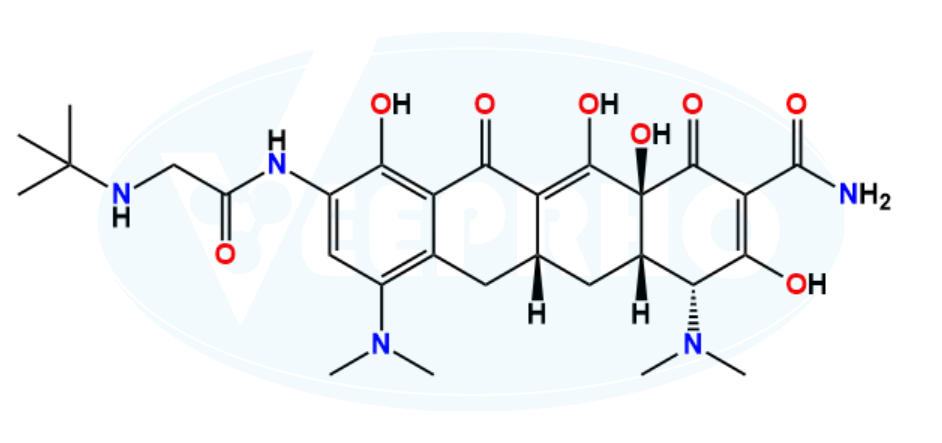
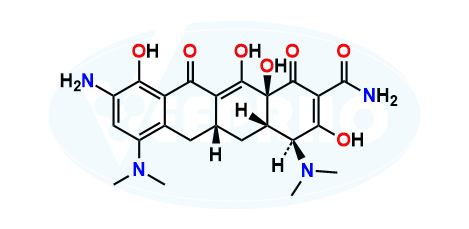
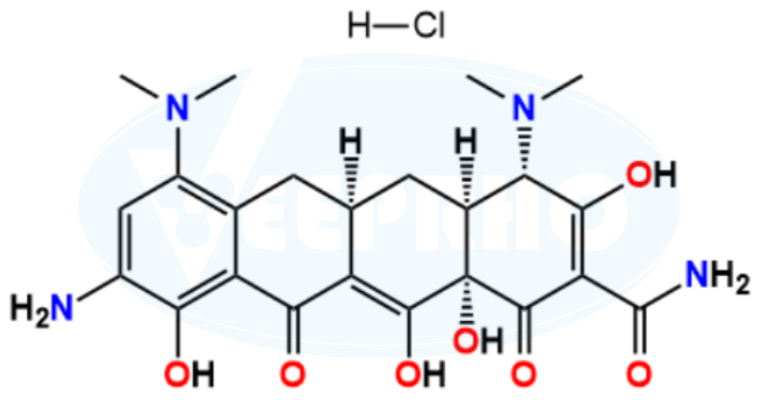
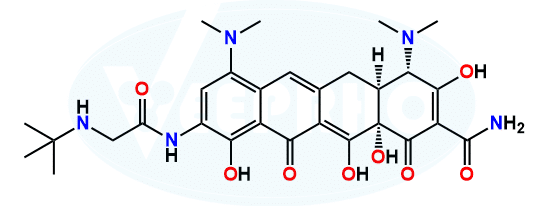
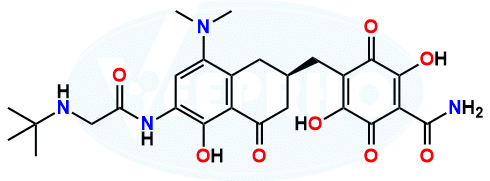


1–16 von 16 Ergebnissen12 auf Lager
| Struktur | Produktname |
|---|---|
| N-Nitroso Desmethyl Tigecycline 1VE0017341 | |
| N-Nitroso Desmethyl Tigecycline 2VE0017343 | |
| N-Nitroso TigecyclineVE008528 | |
| Tigecycline 12-oxo-11-hydroxyCAS-Nr. 1633815-62-9 · VE0016867 · Auf Lager | |
| Tigecycline EP Impurity ACAS-Nr. 1422262-97-2 · VE0012368 · Auf Lager | |
| Tigecycline EP Impurity B (Free Base)CAS-Nr. 149934-19-0 · VE0022244 · Auf Lager | |
| Tigecycline EP Impurity B (HCl Salt)CAS-Nr. 149934-21-4 · VE0013881 · Auf Lager | |
| Tigecycline EP Impurity CCAS-Nr. 10118-90-8 · VE0018835 · Auf Lager | |
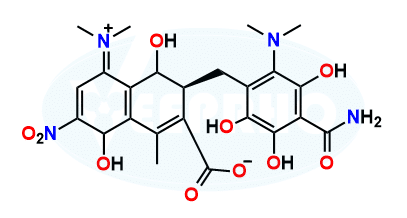 | Tigecycline Impurity 2VE0017052 · Auf Lager |
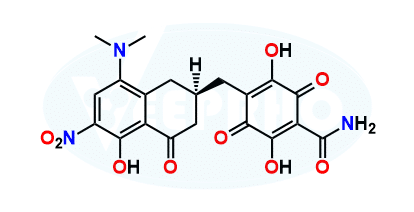 | Tigecycline Impurity 3VE0017049 · Auf Lager |
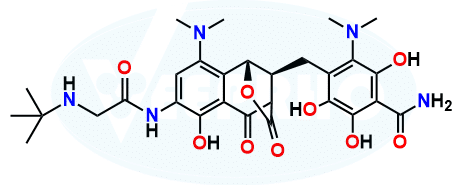 | Tigecycline Impurity 11VE0017053 · Auf Lager |
 | Tigecycline Open Ring ImpurityCAS-Nr. 1138343-10-8 · VE007018 |
| Tigecycline Quinone AnalogCAS-Nr. 1268494-46-7 · VE0017017 · Auf Lager | |
 | Tigecycline Related Compound BVE009861 · Auf Lager |
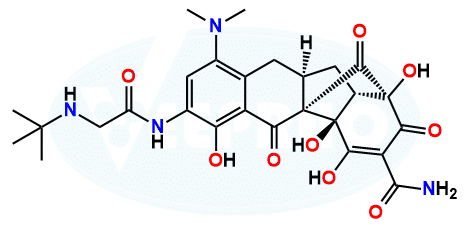 | Tigecycline Tricyclic AnalogCAS-Nr. 1268494-40-1 · VE0017018 · Auf Lager |
| 2-(tert-butylamino)acetic acidCAS-Nr. 6939-23-7 · VZA000059 · Auf Lager |
Tigecycline Related Compound
During the production and storage of tigecycline, impurities may form that need to be carefully controlled to ensure the drug’s safety, potency, and efficacy. Regulatory authorities like the U.S. FDA and EMA have strict guidelines on permissible impurity levels. Types of Impurities in Tigecycline Related Substances These are structurally similar compounds that may arise during the synthesis or degradation of tigecycline. Monitoring and controlling these impurities are essential to maintain the medication's purity and effectiveness. Degradation Products Tigecycline is sensitive to environmental factors such as light, heat, and pH changes, which can lead to the formation of degradation products. These can compromise the stability and therapeutic efficacy of the drug. Residual Solvents Trace amounts of solvents used in the manufacturing process may remain in the final product. Strict regulatory limits ensure that these residual solvents do not pose health risks to patients. Analytical Methods for Impurity Detection Techniques such as High-Performance Liquid Chromatography (HPLC) and UV-Visible Spectrophotometry are commonly employed to identify and quantify impurities, ensuring tigecycline meets stringent quality standards.
Häufige Fragen
What are the limitations of tigecycline?
Tigecycline is not effective against infections caused by Pseudomonas aeruginosa and has limited activity against certain strains of Proteus and Providencia species. Additionally, tigecycline is associated with higher mortality rates in some critically ill patients, so its use should be carefully considered in severe infections.
What is the most common adverse effect of tigecycline?
The most common adverse effect of tigecycline is nausea, followed by vomiting. These gastrointestinal side effects are usually mild to moderate but may require supportive care in some patients.
What is the protocol for tigecycline?
Tigecycline is administered as an intravenous infusion. The typical dosing protocol begins with a loading dose of 100 mg , followed by a maintenance dose of 50 mg every 12 hours . Each infusion is given over a period of 30 to 60 minutes. The exact protocol may vary depending on the severity and type of infection.
How many days should you take tigecycline?
The duration of tigecycline therapy typically ranges from 5 to 14 days , depending on the type and severity of the infection being treated. For more complicated infections, longer treatment durations may be required as determined by a healthcare provider.