

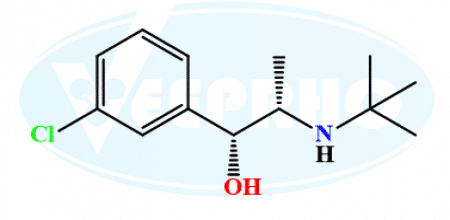
Bupropion (S)-Hydroxy Propanone Impurity
Parent: Bupropion


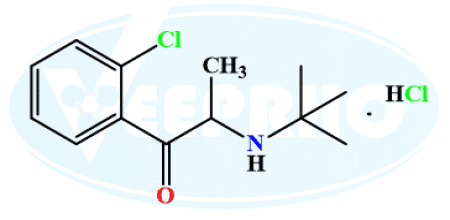

Bupropion 2-Chloro Analog (Free Base)
Parent: Bupropion


Bupropion 3,4-Dichloro Impurity
Parent: Bupropion

Bupropion 3,5-Dichloro Impurity
Parent: Bupropion

Bupropion Amine Impurity (Free Base)
Parent: Bupropion
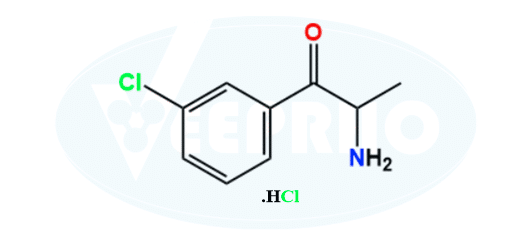
Bupropion Amine Impurity (HCl Salt)
Parent: Bupropion
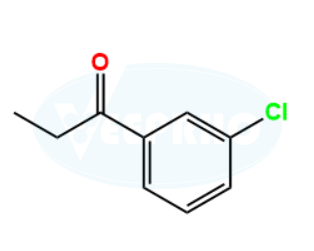
Bupropion Des-Tbutylamino Impurity
Parent: Bupropion
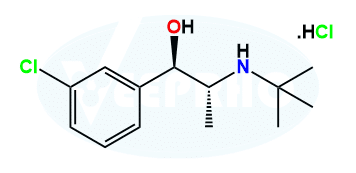
Bupropion Dihydro (R,R)-Isomer (HCl Salt)
Parent: Bupropion

Bupropion Dihydro (R,R)-Isomer and Enantiomer
Parent: Bupropion

Bupropion Dihydro (R,RS)-Isomers (Maleate)
Parent: Bupropion

Bupropion Dihydro (R,S)-Isomer and Enantiomer
Parent: Bupropion

Bupropion Dihydro (S,S)-Isomer
Parent: Bupropion
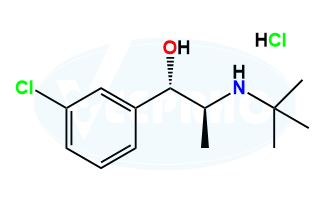
Bupropion Dihydro (S,S)-Isomer (HCl)
Parent: Bupropion


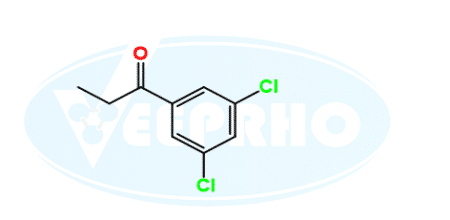


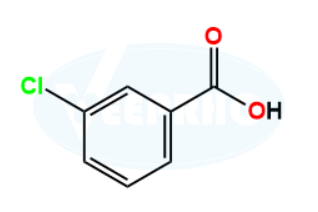


Bupropion Related Compound A (HCl Salt)
Parent: Bupropion
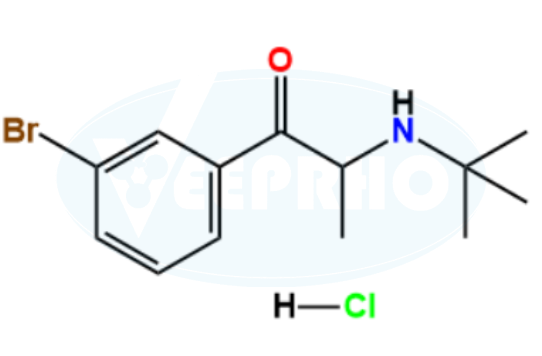
Bupropion Related Compound B (HCl Salt)
Parent: Bupropion
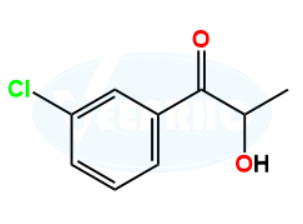
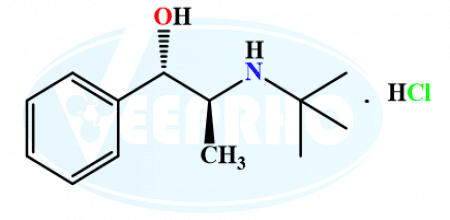
Bupropion Related Compound D (HCl Salt)
Parent: Bupropion
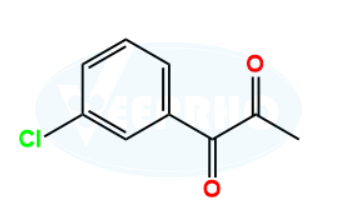


Buproprion 3-Chloropropiophenone Impurity
Parent: Bupropion
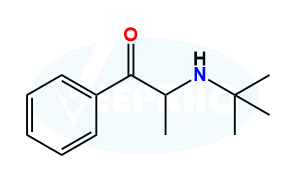
Deschloro Bupropion (Free Base)
Parent: Bupropion


N-(1-(3-chlorophenyl-2,4,5,6-d4)-1-oxopropan-2-yl-3,3,3-d3)-N-(2-(methyl-d3)propan-2-yl-1,1,1,3,3,3-d6)nitrous amide
Parent: Bupropion

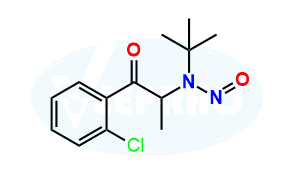
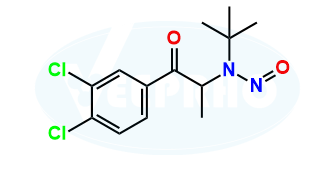
N-Nitroso Bupropion 3,4-Dichloro Impurity
Parent: Bupropion
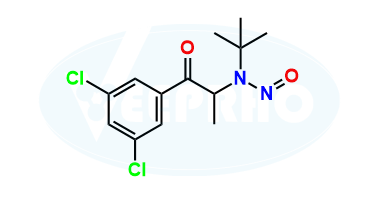
N-Nitroso Bupropion 3,5-Dichloro Impurity
Parent: Bupropion

N-Nitroso Bupropion Related Compound A
Parent: Bupropion
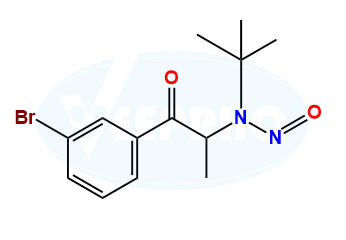
N-Nitroso Bupropion Related Compound B
Parent: Bupropion
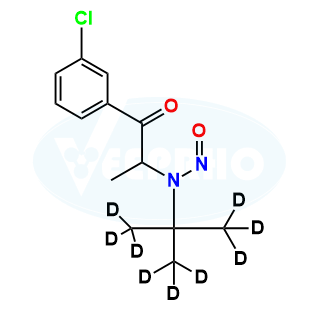
Bupropion Related Compound
During the production and storage of bupropion, impurities may develop that must be carefully monitored to ensure the medication’s safety and efficacy. Regulatory agencies such as the U.S. Food and Drug Administration (FDA) and the European Medicines Agency (EMA) have established guidelines on permissible impurity levels to ensure patient safety.
FAQ
While taking bupropion, it is important to avoid alcohol, as it can increase the risk of side effects, including seizures. Additionally, patients should not stop taking the medication abruptly without consulting a healthcare provider. Bupropion should not be taken with monoamine oxidase inhibitors (MAOIs), and it should be avoided by individuals with a history of seizures or eating disorders due to an increased risk of complications.
Bupropion typically reaches its peak plasma concentration within 2 to 3 hours for immediate-release forms and 5 to 6 hours for extended-release forms. While some effects may be noticeable sooner, it can take 4 to 6 weeks to experience the full therapeutic benefits for depression or smoking cessation.
Bupropion can cause insomnia or restlessness, which is why it is recommended to take the medication in the morning or early afternoon. Taking it later in the day may interfere with sleep patterns, especially for those sensitive to its stimulant-like effects.
Bupropion may begin to show effects within 1 to 2 weeks, but full therapeutic benefits for depression or smoking cessation may take up to 4 to 6 weeks. The time it takes to feel the effects can vary depending on the dosage, formulation, and the condition being treated.
Bupropion is unique because it inhibits the reuptake of dopamine and norepinephrine, as opposed to serotonin, which is the primary target of many other antidepressants. This mechanism makes bupropion less likely to cause common side effects such as weight gain, sexual dysfunction, or sedation. Additionally, its effectiveness in supporting smoking cessation gives it an added benefit that other antidepressants may not offer.