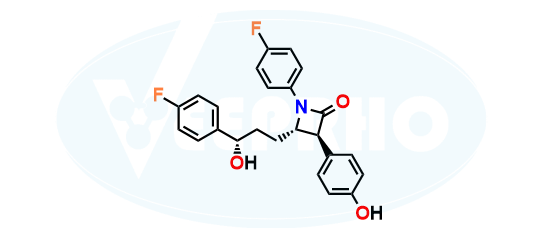
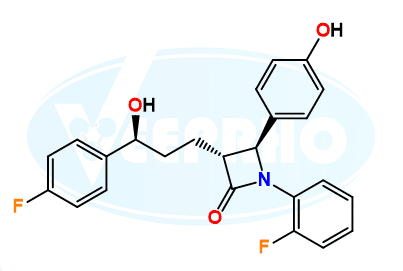
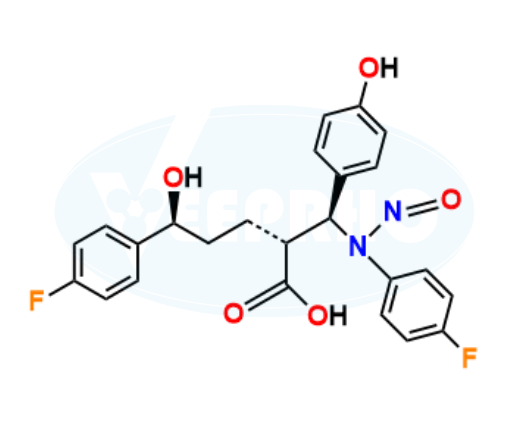
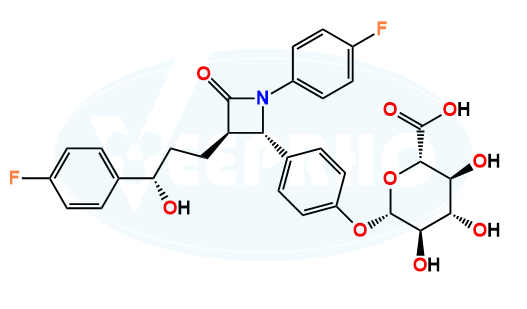
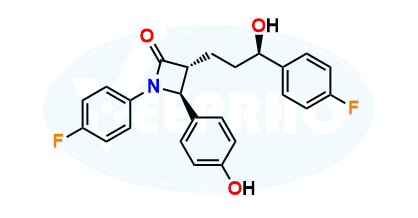
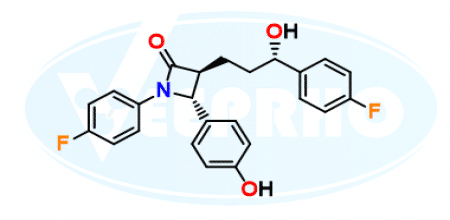
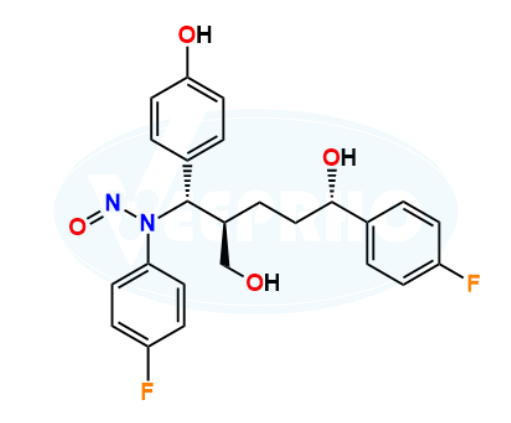
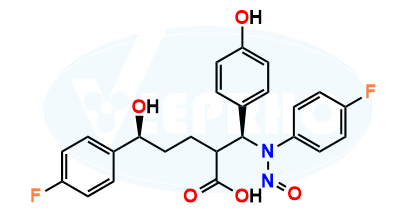
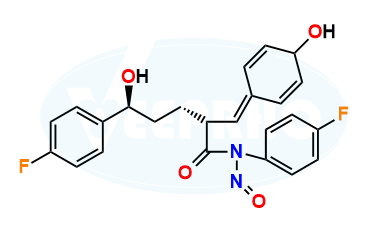
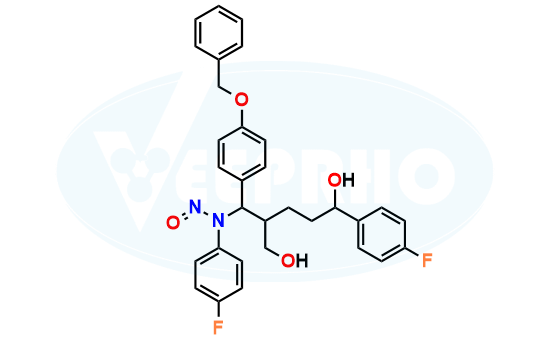
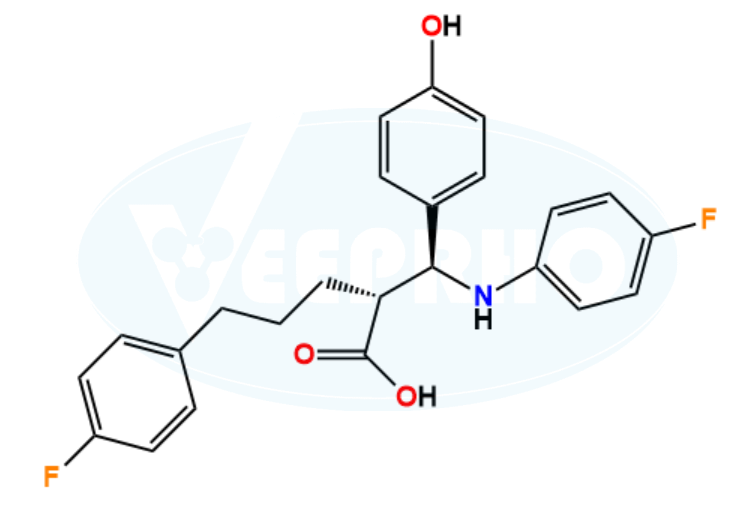
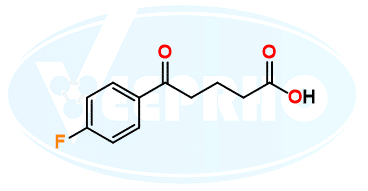
Ezetimibe, sold under the brand name Zetia among others, is a medication used to treat high blood cholesterol and certain other lipid abnormalities. It is typically prescribed alongside dietary changes and a statin for optimal results. When used alone, Ezetimibe is considered less effective than statins. The medication works by reducing cholesterol absorption in the small intestine and is taken orally.
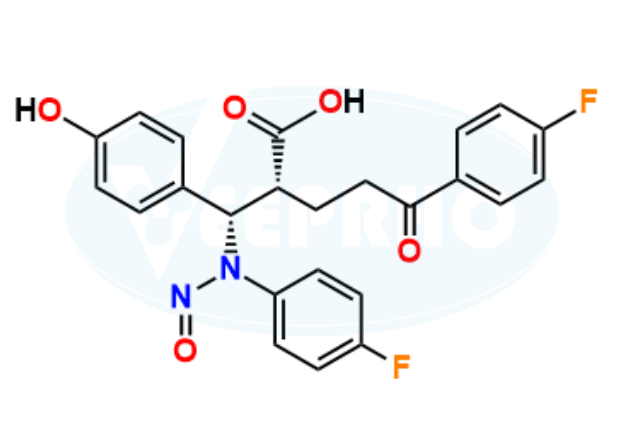
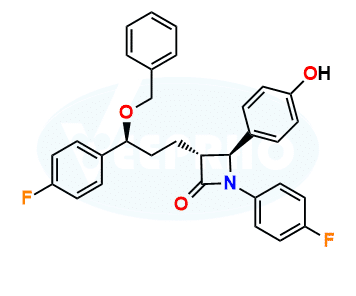
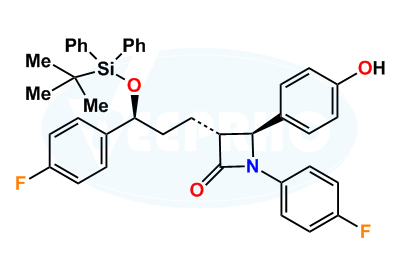
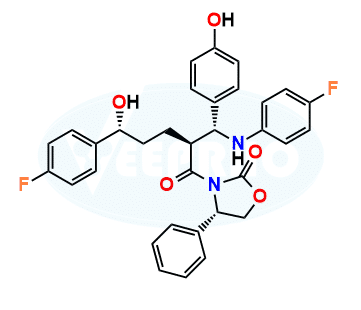
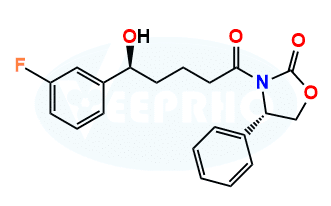
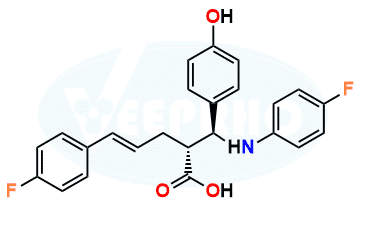
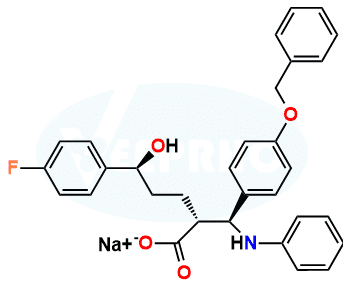
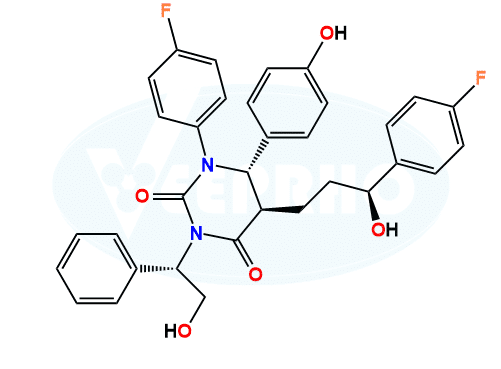
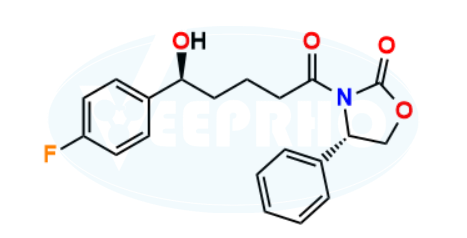
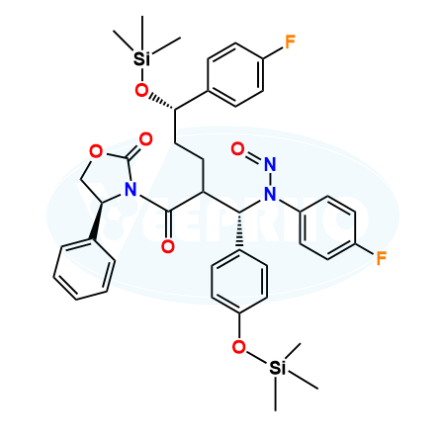
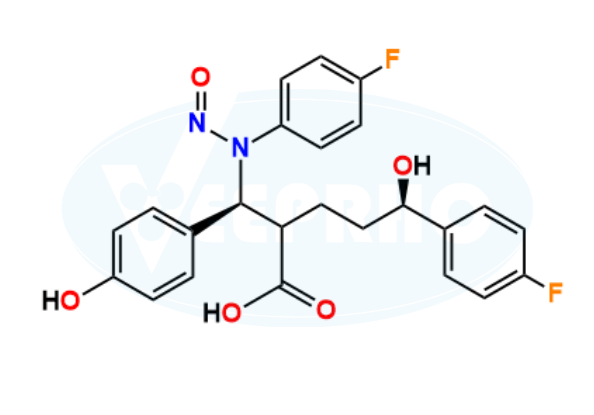
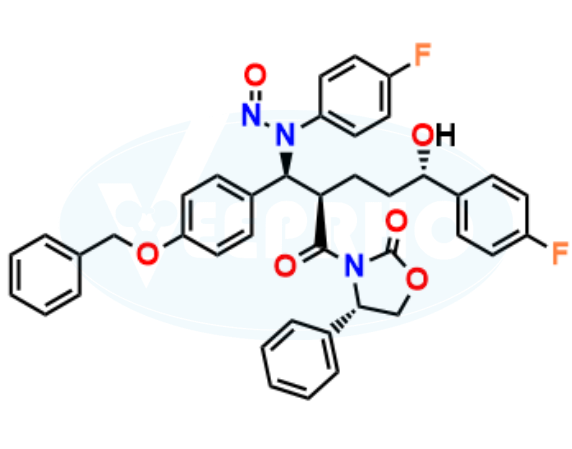
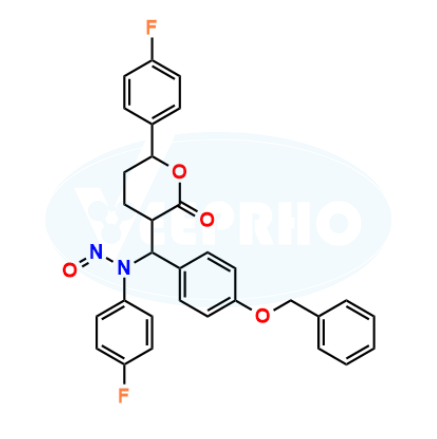
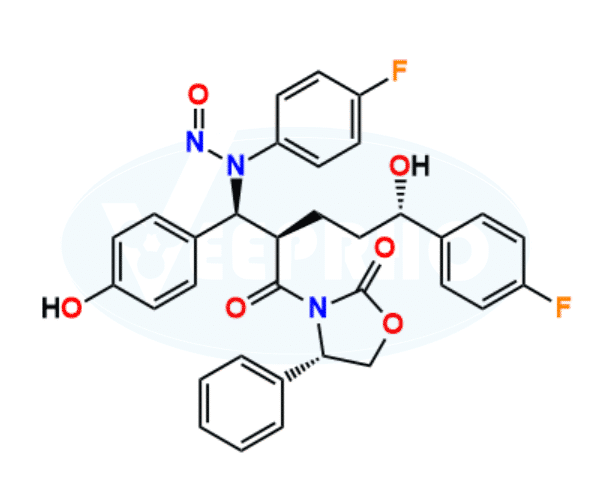
During the production and storage of Ezetimibe, related compounds and impurities may form, which require careful monitoring to ensure safety and efficacy. Regulatory guidelines set limits on impurity levels to maintain product quality. Key aspects of Ezetimibe-related compounds and impurities include:
Related Substances: These are structurally related compounds that may form during synthesis. Monitoring ensures the medication’s purity and therapeutic value.
Degradation Products: Environmental factors such as light, heat, or moisture can lead to the formation of degradation products, affecting Ezetimibe's stability and potency.
Residual Solvents: Trace amounts of solvents from manufacturing may remain in the product. These must be within regulatory limits to ensure patient safety.
Advanced analytical methods, such as High-Performance Liquid Chromatography (HPLC), are used to detect and quantify Ezetimibe-related compounds and impurities, ensuring compliance with stringent quality standards.
よくある質問
What is the main side effect of Ezetimibe?
The most common side effects of Ezetimibe include stomach pain, diarrhea, and fatigue. Rarely, it may cause muscle pain or weakness, particularly when combined with statins.
What class of drugs is Ezetimibe?
Ezetimibe belongs to a class of drugs called cholesterol absorption inhibitors. It works by reducing the absorption of cholesterol in the small intestine, helping to lower LDL (bad) cholesterol levels.
How is Ezetimibe different from statins?
While statins lower cholesterol by inhibiting its production in the liver, Ezetimibe reduces the absorption of cholesterol from food in the small intestine. The two medications are often combined for a synergistic effect in lowering cholesterol.
What is the mechanism of action of Ezetimibe?
Ezetimibe selectively inhibits the Niemann-Pick C1-Like 1 (NPC1L1) protein in the small intestine, which plays a key role in cholesterol absorption. This action reduces the amount of cholesterol entering the bloodstream.