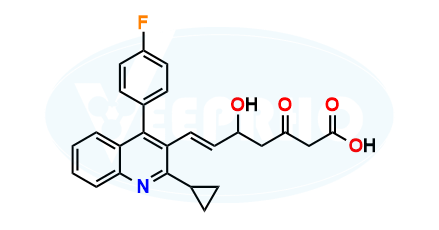
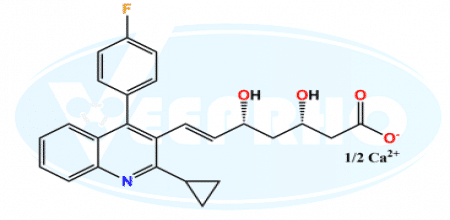
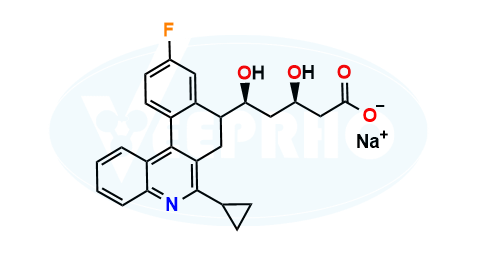
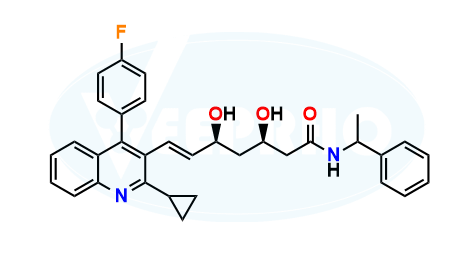
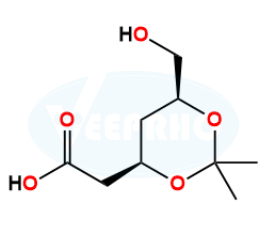
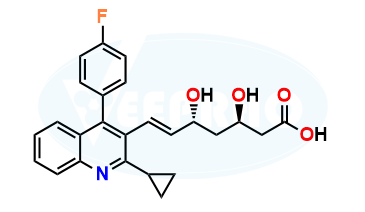
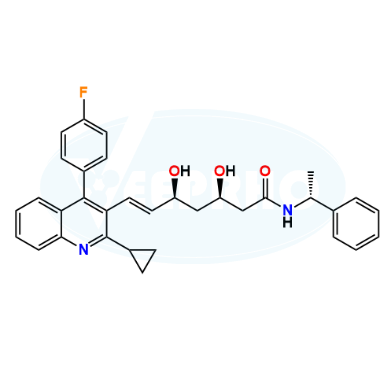
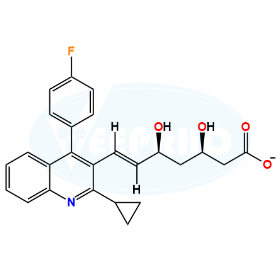
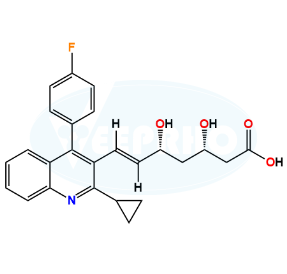
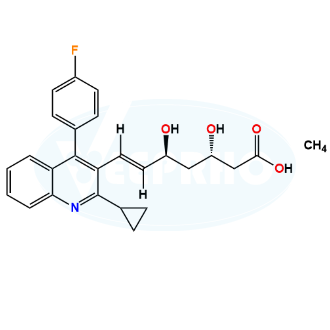
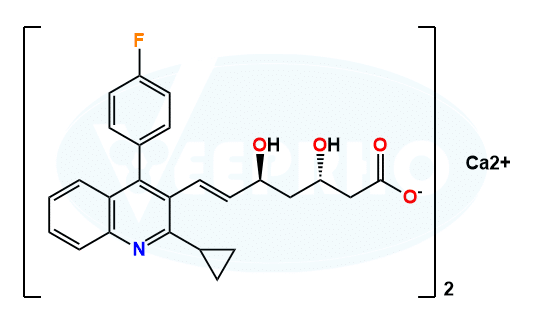
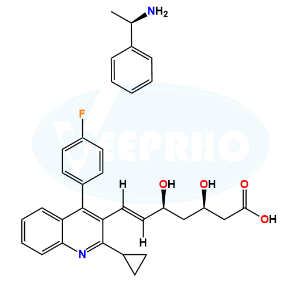
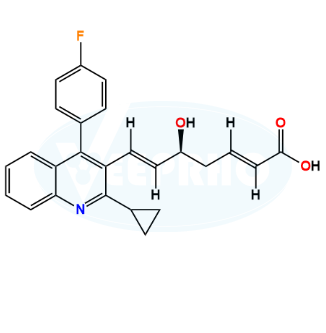
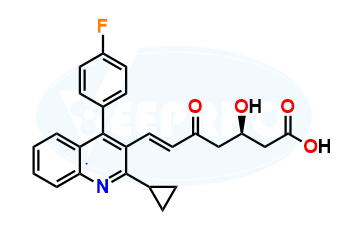
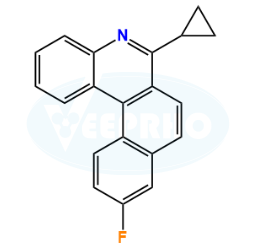
Pitavastatin is a statin medication used to lower blood cholesterol levels by inhibiting HMG-CoA reductase, the enzyme responsible for the first step of cholesterol synthesis in the body. By reducing low-density lipoprotein (LDL) cholesterol and triglycerides while increasing high-density lipoprotein (HDL) cholesterol, pitavastatin helps prevent cardiovascular diseases such as heart attacks and strokes. Originally patented in 1987, pitavastatin was approved for medical use in 2003 and is available in countries including Japan, South Korea, and India.
Controlling impurities in pitavastatin is essential to maintain the drug’s quality, safety, and therapeutic efficacy. Impurities may form during the manufacturing process, storage, or handling.
Types of Impurities in Pitavastatin
Related Substances These are byproducts or compounds chemically related to pitavastatin formed during its synthesis. Regulatory authorities enforce strict limits on these impurities to ensure drug purity. Degradation Products Exposure to unfavorable conditions such as heat, light, or moisture can lead to the degradation of pitavastatin. Proper storage in a cool, dry place helps maintain its stability. Residual Solvents Solvents used during the manufacturing process may leave trace amounts in the final product. These are regulated to remain within acceptable limits to ensure patient safety. Analytical Techniques for Monitoring Impurities Techniques such as High-Performance Liquid Chromatography (HPLC) and Mass Spectrometry (LC-MS) are used to detect and quantify impurities, ensuring compliance with stringent quality standards.
자주 묻는 질문
What to check before giving pitavastatin?
Before prescribing pitavastatin, healthcare providers should check liver function tests (LFTs) to ensure the liver is functioning properly. Kidney function tests may also be required for patients with compromised renal function, as pitavastatin is metabolized in the liver and excreted through the kidneys.
What is the most serious side effect of pitavastatin?
The most serious side effect of pitavastatin is rhabdomyolysis , a condition where muscle tissue breaks down, releasing harmful substances into the bloodstream that can damage the kidneys. Patients should report symptoms such as unexplained muscle pain, weakness, or dark-colored urine.
What is special about pitavastatin?
Pitavastatin has a lower risk of drug-drug interactions compared to other statins due to minimal metabolism by the CYP450 enzyme system. This makes it a safer option for patients taking multiple medications. Additionally, it is effective at low doses and is suitable for patients with diabetes due to its minimal impact on blood glucose levels.
Does pitavastatin affect the liver?
Pitavastatin can affect the liver, as it is metabolized there. Elevated liver enzymes may occur, indicating liver irritation or damage. Regular monitoring of liver function tests is essential, especially during the early stages of treatment or if symptoms like jaundice or fatigue appear.