Dapagliflozin, sold under the brand names Farxiga (US) and Forxiga (EU) among others, is a medication used to treat type 2 diabetes. It belongs to a class of drugs called sodium-glucose co-transporter-2 (SGLT2) inhibitors, which work by preventing glucose reabsorption in the kidneys, promoting its excretion through urine. In addition to managing blood sugar levels, Dapagliflozin has demonstrated cardiovascular and renal benefits in specific populations, making it a versatile option for patients with diabetes and related complications. It is taken orally, typically once daily.

Parent: Dapagliflozin

Parent: Dapagliflozin

Parent: Dapagliflozin

Parent: Dapagliflozin

Parent: Dapagliflozin

Parent: Dapagliflozin

Parent: Dapagliflozin

Parent: Dapagliflozin

Parent: Dapagliflozin

Parent: Dapagliflozin

Parent: Dapagliflozin

Parent: Dapagliflozin

Parent: Dapagliflozin

Parent: Dapagliflozin

Parent: Dapagliflozin

Parent: Dapagliflozin

Parent: Dapagliflozin

Parent: Dapagliflozin

Parent: Dapagliflozin

Parent: Dapagliflozin

Parent: Dapagliflozin

Parent: Dapagliflozin

Parent: Dapagliflozin
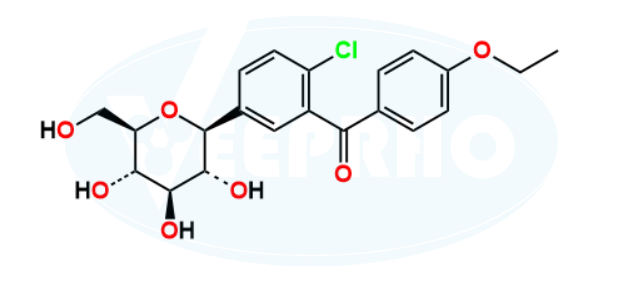
Parent: Dapagliflozin

Parent: Dapagliflozin

Parent: Dapagliflozin

Parent: Dapagliflozin

Parent: Dapagliflozin/ Dapagliflozin Propanediol Hydrate
Parent: Dapagliflozin

Parent: Dapagliflozin Reference Standard

Parent: Dapagliflozin
During the production and storage of Dapagliflozin, impurities may form, which must be controlled to ensure the drug’s safety and efficacy. Regulatory authorities, such as the U.S. Food and Drug Administration (FDA) and the European Medicines Agency (EMA), set guidelines on permissible impurity levels in Dapagliflozin formulations.
While taking Dapagliflozin, avoid dehydration by drinking plenty of fluids, as the drug increases urination. Patients should also avoid excessive alcohol consumption, which can increase the risk of hypoglycemia. Additionally, consult your doctor before taking over-the-counter medications or supplements that may affect blood sugar levels.
Patients on Dapagliflozin should monitor blood sugar levels, signs of urinary tract or genital infections, and symptoms of dehydration (e.g., dizziness or dry mouth). Regular kidney function tests and blood pressure checks are also recommended, as the medication can impact renal function.
The most common side effects of Dapagliflozin include urinary tract infections (UTIs) and genital infections, due to increased glucose excretion in the urine. Patients should maintain proper hygiene and report any signs of infection to their healthcare provider promptly.
Dapagliflozin is typically taken once daily in the morning, with or without food. Taking it at the same time each day can help maintain consistent blood glucose control and improve adherence to the treatment regimen.


