Empagliflozin, sold under the brand name Jardiance among others, is an antidiabetic medication used to improve glucose control in people with type 2 diabetes. It is taken orally and belongs to the class of medications called sodium-glucose co-transporter-2 (SGLT2) inhibitors. Empagliflozin works by preventing the kidneys from reabsorbing glucose into the bloodstream, allowing excess glucose to be excreted in the urine. In addition to managing blood glucose levels, Empagliflozin has shown benefits in reducing the risk of cardiovascular events in patients with type 2 diabetes.

Parent: Empagliflozin

Parent: Empagliflozin

Parent: Empagliflozin

Parent: Empagliflozin

Parent: Empagliflozin
Parent: Empagliflozin

Parent: Empagliflozin

Parent: Empagliflozin

Parent: Empagliflozin

Parent: Empagliflozin

Parent: Empagliflozin

Parent: Empagliflozin

Parent: Empagliflozin

Parent: Empagliflozin

Parent: Empagliflozin

Parent: Empagliflozin

Parent: Empagliflozin

Parent: Empagliflozin

Parent: Empagliflozin

Parent: Empagliflozin

Parent: Empagliflozin

Parent: Empagliflozin

Parent: Empagliflozin

Parent: Empagliflozin

Parent: Empagliflozin

Parent: Empagliflozin

Parent: Empagliflozin

Parent: Empagliflozin

Parent: Empagliflozin

Parent: Empagliflozin

Parent: Empagliflozin

Parent: Empagliflozin

Parent: Empagliflozin

Parent: Empagliflozin

Parent: Empagliflozin

Parent: Empagliflozin
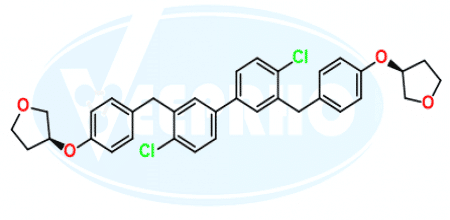
During the production and storage of Empagliflozin, impurities may form, which must be controlled to ensure the drug’s safety and efficacy. Regulatory authorities, such as the U.S. Food and Drug Administration (FDA) and the European Medicines Agency (EMA), set guidelines on permissible impurity levels in Empagliflozin formulations.
Common impurities in Empagliflozin include:
Yes, Empagliflozin is the active ingredient in Jardiance, a medication commonly prescribed for managing blood sugar levels in people with type 2 diabetes and reducing cardiovascular risk in eligible patients.
Empagliflozin is an SGLT2 inhibitor used to help control blood sugar levels in people with type 2 diabetes. It reduces glucose reabsorption in the kidneys, leading to excess glucose being eliminated in the urine. It is also prescribed to lower cardiovascular risks in certain patients with diabetes.
The most common side effects of Empagliflozin include urinary tract infections and genital infections due to the increased sugar excretion in urine. Drinking plenty of water and maintaining good hygiene can help reduce these risks.
No, Empagliflozin and Ozempic are different medications. While Empagliflozin is an SGLT2 inhibitor used to manage blood sugar and reduce cardiovascular risk, Ozempic contains semaglutide, a GLP-1 receptor agonist, which also helps control blood sugar but works by a different mechanism.


