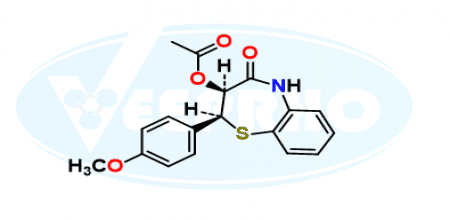
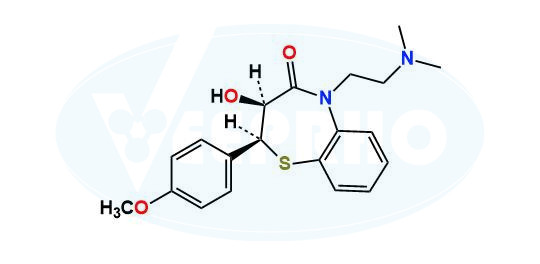
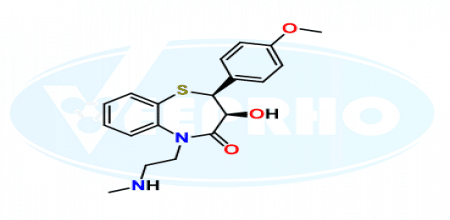
Diltiazem is a calcium channel blocker used to treat high blood pressure (hypertension), angina (chest pain), and certain heart rhythm disorders such as atrial fibrillation. It works by inhibiting the movement of calcium into the cells of the heart and blood vessels, leading to relaxation of blood vessels, reduced heart workload, and improved blood flow.

Parent: Diltiazem

Parent: Diltiazem
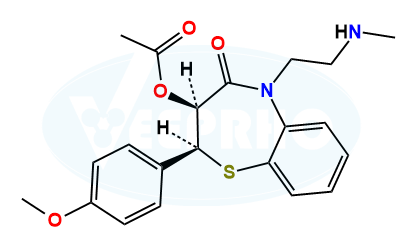
Parent: Diltiazem

Parent: Diltiazem / Diltiazem Hydrochloride

Parent: Diltiazem

Parent: Diltiazem

Parent: Diltiazem
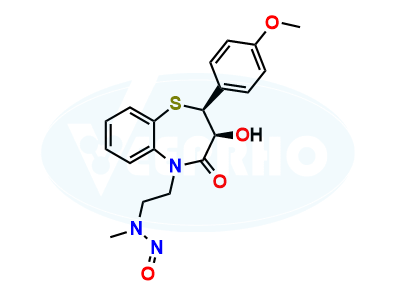
Parent: N-Nitroso/ Diltiazem

Parent: Diltiazem

Parent: Diltiazem
Like all pharmaceuticals, diltiazem may contain impurities that must be controlled to maintain safety and efficacy.
Related Substances
These are chemically similar compounds formed during synthesis or storage. Common related impurities include:
Degradation Products
Diltiazem is prone to hydrolysis, oxidation, and photodegradation, leading to byproducts such as:
Residual Solvents
Solvents such as methanol, dichloromethane, and ethanol used in the synthesis process must be controlled within ICH Q3C limits to avoid toxicity.
Heavy Metals and Elemental Impurities
Diltiazem formulations must adhere to ICH Q3D guidelines, ensuring that toxic metals like lead, arsenic, cadmium, and mercury are within permissible limits.
Analytical Techniques for Impurity Detection
Diltiazem impurities are detected and quantified using:
Diltiazem is used to treat high blood pressure, chest pain (angina), and certain heart rhythm disorders like atrial fibrillation. It helps by relaxing blood vessels and reducing the heart’s workload.
Diltiazem is neither a beta blocker nor an ACE inhibitor. It is a calcium channel blocker, specifically a non-dihydropyridine calcium channel blocker, which means it works by blocking calcium from entering the heart and blood vessel cells.
Diltiazem blocks L-type calcium channels in the heart and blood vessels, leading to vasodilation, reduced heart rate, and decreased myocardial oxygen demand. This helps in lowering blood pressure and preventing angina attacks.
Diltiazem can be risky in certain patients, especially those with severe heart failure, hypotension, or conduction disorders. It may interact with beta blockers, digoxin, and CYP3A4 inhibitors, increasing the risk of bradycardia, low blood pressure, or heart block. Always consult a doctor before use.