
Moxifloxacin-Verunreinigungen
Angebot für ein Set anfordern
- Angebot für dieses Set anfragen
Alle EP-Verunreinigungen von Moxifloxacin
15 ProdukteDie 15 Produkte ansehen
- Moxifloxacin EP Impurity A VL106001
CAS 151213-15-9 - Moxifloxacin EP Impurity A (HCl Salt) VE0021495
CAS 151282-23-4 - Moxifloxacin EP Impurity B VL106002
CAS 1029364-73-5 - Moxifloxacin EP Impurity B (HCl Salt) VE0025145
CAS 2252446-68-5 - Moxifloxacin EP Impurity B (Hydrochloride Monohydrate) VE0021488
- Moxifloxacin EP Impurity C (HCl salt) VL106003
CAS 2252446-70-9 - Moxifloxacin EP Impurity C (Hydrochloride Hydrate) VE0021489
- Moxifloxacin EP Impurity D VL106004
CAS 1029364-77-9 - Moxifloxacin EP Impurity D (Hydrochloride Salt) VE0021494
CAS 2252446-69-6 - Moxifloxacin EP Impurity E VL106005
CAS 721970-36-1 - Moxifloxacin EP Impurity E (2HCl) VE009652
- Moxifloxacin EP Impurity E (Hydrobromide Salt) VE0021493
CAS 1292904-74-5 - Moxifloxacin Ethyl Analog (Free Base) VE008397
CAS 1029364-75-7 - Moxifloxacin Methyl Ester VL106007
CAS 721970-35-0 - Moxifloxacin Related Compound F (Free Base) VL106019
CAS 721970-37-2 & 1179992-99-4
- Moxifloxacin EP Impurity A VL106001
- Angebot für dieses Set anfragen
Alle USP-Verunreinigungen von Moxifloxacin
18 ProdukteDie 18 Produkte ansehen
- Moxifloxacin 7-Amino Impurity VL106018
CAS 172426-88-9 - Moxifloxacin Decarboxy Impurity VL106006
CAS 1322062-57-6 - Moxifloxacin EP Impurity A VL106001
CAS 151213-15-9 - Moxifloxacin EP Impurity A (HCl Salt) VE0021495
CAS 151282-23-4 - Moxifloxacin EP Impurity B VL106002
CAS 1029364-73-5 - Moxifloxacin EP Impurity B (Hydrochloride Monohydrate) VE0021488
- Moxifloxacin EP Impurity C (HCl salt) VL106003
CAS 2252446-70-9 - Moxifloxacin EP Impurity C (Hydrochloride Hydrate) VE0021489
- Moxifloxacin EP Impurity D VL106004
CAS 1029364-77-9 - Moxifloxacin EP Impurity E VL106005
CAS 721970-36-1 - Moxifloxacin EP Impurity E (2HCl) VE009652
- Moxifloxacin EP Impurity F VL106009
CAS 1350716-67-4 - Moxifloxacin Ethyl Analog (Free Base) VE008397
CAS 1029364-75-7 - Moxifloxacin Related Compound F (Free Base) VL106019
CAS 721970-37-2 & 1179992-99-4 - Moxifloxacin Related Compound G VL106010
CAS 1346603-25-5 - Moxifloxacin Related Compound G (Free Base) VE009489
CAS 268545-13-7 - Moxifloxacin Related Compound G (HCl Salt) VE0011551
CAS 1394029-14-1 - Moxifloxacin Related Compound G (Hydrochloride Monohydrate) VE006991
- Moxifloxacin 7-Amino Impurity VL106018
- Angebot für dieses Set anfragen
Alle Nitrosamin-Verunreinigungen von Moxifloxacin
15 ProdukteDie 15 Produkte ansehen
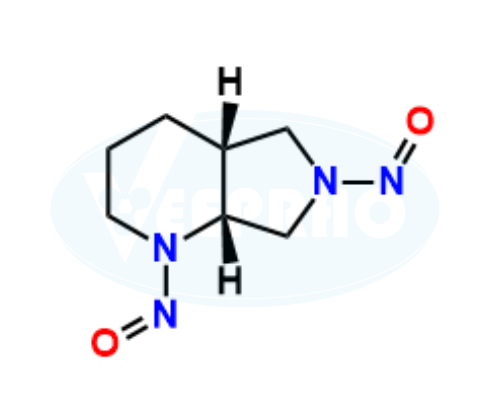
- Di-Nitroso-Pyrrolopiperidine (DNPP) VE0020329
- Moxifloxacin Nitroso Impurity 2 VE0024139
- Moxifloxacin Nitroso Impurity 2 (HCl salt) VE0024511
- N-Nitroso Moxifloxacin VE008036
- N-Nitroso Moxifloxacin EP Impurity B VE0011338
- N-Nitroso Moxifloxacin EP Impurity C VE0011339
- N-Nitroso Moxifloxacin EP Impurity D VE0011340
- N-Nitroso Moxifloxacin EP Impurity G VE0011341
- N-Nitroso Moxifloxacin Impurity 7 VE0018538
- N-Nitroso Moxifloxacin Related compound E VE0024744
- N-Nitroso Moxifloxacin Related compound-A VE0011337
- N-Nitroso Pyridine VE0023668
- (4aR,7aR)-1,6-dinitrosooctahydro-1H-pyrrolo[3,4-b]pyridine VE0028505
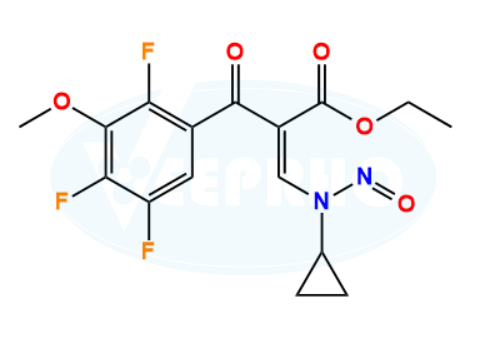
- (Z)-ethyl 3-(cyclopropyl(nitroso)amino)-2-(2,4,5-trifluoro-3-methoxybenzoyl)acrylate VE0023667
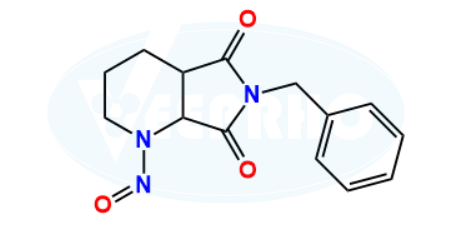
- 6-Benzyl-1-nitrosotetrahydro-1H-pyrrolo[3,4-b]pyridine-5,7(6H,7aH)-dione VE0023666
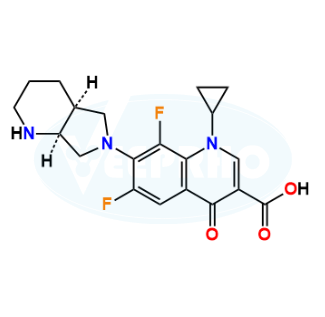
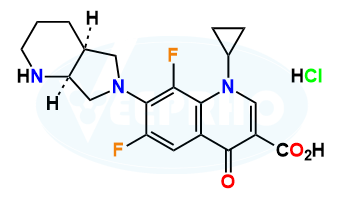


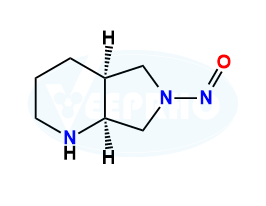
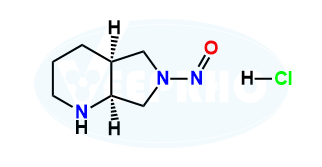
1–50 von 57 Ergebnissen57 auf Lager


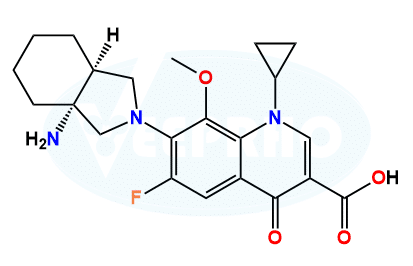

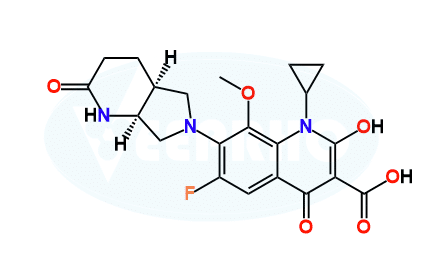

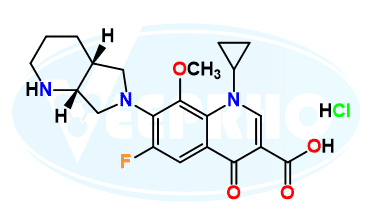
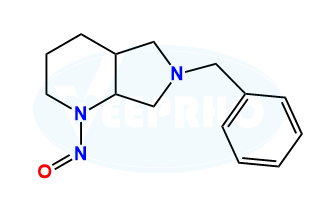
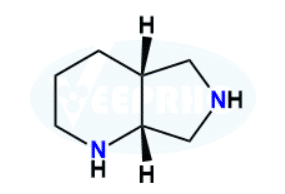
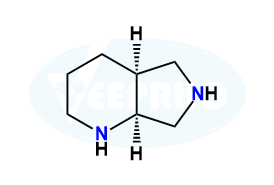

Moxifloxacin Related Compound
During the production and storage of Moxifloxacin, impurities may form, which must be controlled to ensure the drug’s safety and efficacy. Regulatory authorities, such as the U.S. Food and Drug Administration (FDA) and the European Medicines Agency (EMA), set guidelines on permissible impurity levels in Moxifloxacin formulations.
Häufige Fragen
What is Moxifloxacin mainly used for?
Moxifloxacin is mainly used to treat bacterial infections, including respiratory infections like pneumonia and bronchitis, as well as skin infections. In ophthalmic form, it is used to treat bacterial conjunctivitis.
Is Moxifloxacin a penicillin?
No, Moxifloxacin is not a penicillin. It belongs to the fluoroquinolone class of antibiotics, which work differently from penicillin-based antibiotics.
What to avoid when taking Moxifloxacin?
When taking Moxifloxacin, avoid taking it with antacids or supplements containing magnesium, aluminum, or calcium, as they can interfere with the absorption of the antibiotic. Additionally, avoid prolonged sun exposure, as Moxifloxacin can increase photosensitivity.
What does Moxifloxacin do to your eyes?
Ophthalmic Moxifloxacin is used to treat bacterial conjunctivitis by targeting and eliminating bacteria in the eyes. However, it may cause mild side effects like eye irritation or dryness. If more severe eye reactions occur, contact a healthcare provider.