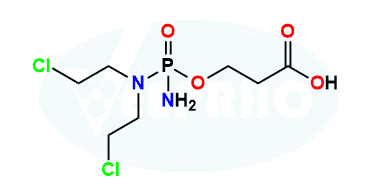
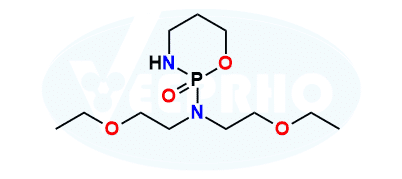
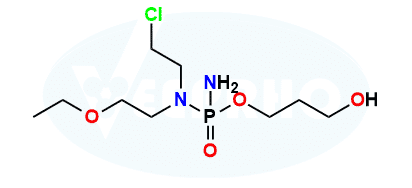
Cyclophosphamide is a chemotherapy medication widely used to treat various cancers, including ovarian cancer, breast cancer, cancers of the blood and lymphatic system, and nerve cancers (mainly in children). It is also prescribed for retinoblastoma (a type of eye cancer in children), multiple myeloma (bone marrow cancer), and mycosis fungoides (a type of skin tumor). Cyclophosphamide works by interfering with the DNA of cancer cells, preventing their growth and replication.
Cyclophosphamide is typically administered intravenously or orally under the supervision of healthcare professionals. It is also sometimes used in lower doses for autoimmune disorders such as lupus or rheumatoid arthritis due to its immunosuppressive effects.

Parent: Cyclophosphamide
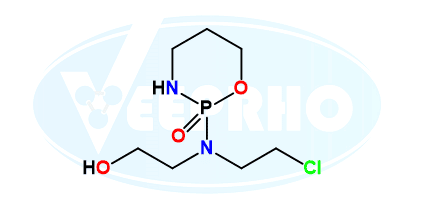
Parent: Cyclophosphamide
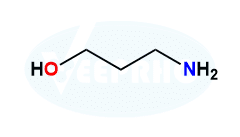
Parent: Cyclophosphamide
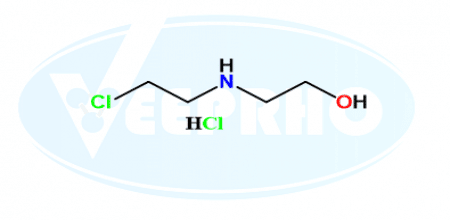
Parent: Cyclophosphamide
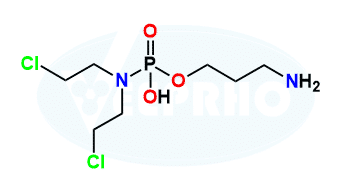
Parent: Cyclophosphamide

Parent: Cyclophosphamide

Parent: Cyclophosphamide
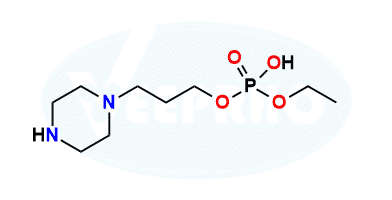
Parent: Cyclophosphamide
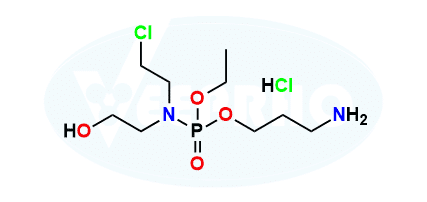
Parent: Cyclophosphamide

Parent: Cyclophosphamide

Parent: Cyclophosphamide Monohydrate / Cyclophosphamide

Parent: Cyclophosphamide

Parent: Cyclophosphamide

Parent: Cyclophosphamide

Parent: Cyclophosphamide

Parent: Cyclophosphamide

Parent: Cyclophosphamide

Parent: Cyclophosphamide

Parent: Cyclophosphamide

Parent: Cyclophosphamide

Parent: Cyclophosphamide
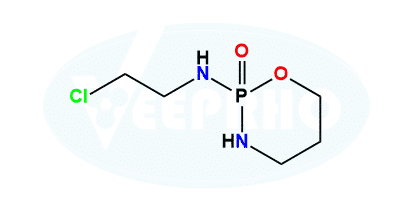
Parent: Cyclophosphamide

Parent: Cyclophosphamide
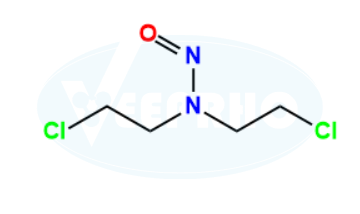
Parent: Cyclophosphamide/ N-Nitroso

Parent: Cyclophosphamide

Parent: Cyclophosphamide

Parent: Cyclophosphamide

Parent: Cyclophosphamide

Parent: Cyclophosphamide
As with all chemotherapy drugs, impurities may form in cyclophosphamide during its manufacturing, storage, and handling processes. Regulatory authorities such as the U.S. FDA and EMA establish stringent guidelines to control impurity levels, ensuring the safety and efficacy of the medication.
Types of Impurities in Cyclophosphamide
Related Substances
These are chemically related compounds or byproducts formed during the synthesis of cyclophosphamide. Controlling these impurities is essential to maintain the drug’s therapeutic effectiveness and purity.
Degradation Products
Cyclophosphamide may degrade over time when exposed to environmental factors like heat, light, or moisture. Degradation products can reduce the stability and potency of the medication, necessitating proper storage conditions.
Residual Solvents
Trace amounts of solvents used during the manufacturing process may remain in the final product. Regulatory standards ensure these solvents are within safe limits to minimize any potential risks to patients.
Analytical Techniques for Monitoring Impurities
Techniques such as High-Performance Liquid Chromatography (HPLC) and Mass Spectrometry (LC-MS) are employed to identify and quantify impurities, ensuring cyclophosphamide meets strict safety and quality standards.
Cyclophosphamide is used to treat a wide range of cancers, including ovarian cancer, breast cancer, cancers of the blood and lymphatic system, nerve cancers (in children), retinoblastoma, multiple myeloma, and mycosis fungoides. It is also used in lower doses to treat certain autoimmune diseases.
Yes, cyclophosphamide is considered a strong chemotherapy drug. It is an alkylating agent that interferes with the DNA of rapidly dividing cancer cells, effectively halting their growth. It is often used in combination with other chemotherapy drugs to enhance its effectiveness.
Cyclophosphamide can be toxic, particularly at higher doses or with prolonged use. Common toxic effects include bone marrow suppression (leading to low blood cell counts), nausea, vomiting, hair loss, and bladder toxicity (hemorrhagic cystitis). Rarely, it may increase the risk of secondary cancers or cause liver or kidney damage. Regular monitoring by a healthcare provider is essential during treatment.
No, cyclophosphamide is not an anthracycline. It is an alkylating agent, which works by cross-linking DNA strands, preventing cancer cells from dividing and replicating. Anthracyclines, such as doxorubicin or daunorubicin, belong to a different class of chemotherapy drugs with distinct mechanisms of action.